
Nino de Angelo
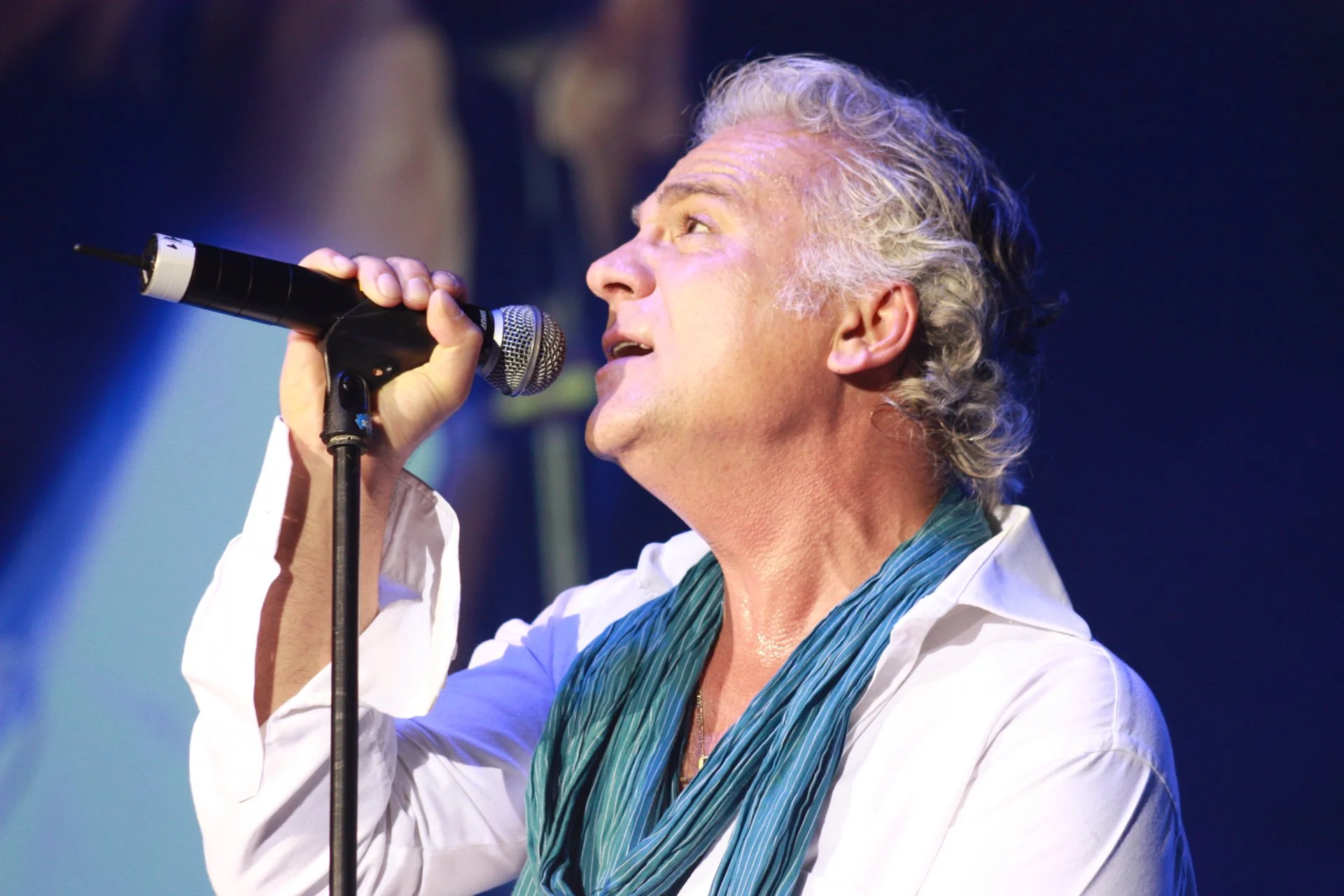
Image from Wikipedia
Image from Wikipedia
Nino de Angelo – Voice Between Light and Shadow, Icon of German-language Pop
A life of comebacks: The tumultuous story of Nino de Angelo
Nino de Angelo, born on December 18, 1963, in Karlsruhe as Domenico Gerhard Gorgoglione, has shaped the German pop and schlager landscape with his distinctive voice. He celebrated his breakthrough in 1983 with Jenseits von Eden – a generational song that catapulted him to stardom and continues to accompany him to this day. Over decades, he steadily developed his music career, sought artistic renewal, battled setbacks both privately and publicly – and always found his way back to the great stages. This range of stage presence, artistic development, and personal openness makes Nino de Angelo one of the most fascinating voices in German pop.
Early years and rapid rise: From Karlsruhe to the big stages
His first releases in the early 1980s placed Nino de Angelo in the tension between pop, schlager, and Italo-influences. In 1983, Jenseits von Eden propelled him to the top of the German charts and has since defined his artistic identity. The song, originally composed by Drafi Deutscher, conquered the charts and made pop history. In the following year, he also gained international recognition with the English version Guardian Angel. At the end of the 1980s, he represented Germany at the Eurovision Song Contest 1989 with Flieger – a collaboration with Dieter Bohlen – which further solidified his national popularity. (Sources: Wikipedia DE/EN)
Between pop, rock, and schlager: A voice reinvents itself
After the great successes of the 1980s and 1990s, his sound transformed multiple times. Characteristic remained his expressive, rough-lyrical vocal color, which carries both ballads and dramatic pop-rock arrangements. This quest is reflected in his discography: from classical orchestrated productions to darker, guitar-driven soundscapes that illuminate his themes of love, loss, and redemption with new depth. Especially in recent years, Nino de Angelo intensified his collaboration with producers and songwriters who crafted tailored compositions for him, while he increasingly contributed to both lyrics and music himself. (Sources: Wikipedia, album pages, and press)
Comeback in Black: Gesegnet & verflucht (2021) and the return to the charts
With Gesegnet & verflucht, Nino de Angelo made an artistic statement in 2021. Released through Ariola/Sony, the album combined autobiographical lyrics with opulent, darkly shimmering pop-rock arrangements, resonating with audiences and critics alike. It landed at number 2 in the Official German Album Charts – a strong statement of his chart presence decades after his debut. Critics described the record as edgy, personal, and atmospherically rich – a document of maturation that redefines his iconic voice. (Sources: Official German Charts; Apple Music; Deutsche Mugge; Wikipedia)
Von Ewigkeit zu Ewigkeit (2023): The poetics of gray tones
In 2023, Von Ewigkeit zu Ewigkeit followed – an album that consistently continues his artistic evolution. The production features powerful arrangements in which string sections, electric guitars, and cinematic soundscapes monumentalize his voice. Critical reactions highlighted the consistent dark themes and the lyrical weight that Nino de Angelo places within the tension of pain, doubt, and hope. At the same time, the album showcases his ability for dramatic compression: songs emerge as miniatures about life crises, moments of departure, and a refined self-view. (Sources: Wikipedia album page; laut.de via Wikipedia)
Irgendwann im Leben (2025): Late sovereignty and major tour
In February 2025, Irgendwann im Leben was released – thematically focused on reflection, gratitude, and humility. Prior singles included Willst du mit mir gehen (duet with Jenice) and the title track Irgendwann im Leben. The accompanying Germany tour in spring 2025 underscored his stage presence: a concentrated, mature performance that combines great ballad artistry with rock urgency. Media reports and announcements demonstrated how much Nino de Angelo stages his late work as an artistic sum – uncompromising in attitude and sound, approachable in tone. (Sources: all-in.de; Yahoo News; Wikipedia album page)
Outlook 2026: Italian elegance and open-air moments
For 2026, Nino de Angelo announced special open-air performances – featuring songs from a project that celebrates his love for Italian pop culture. Planned summer venues and an upcoming album with Italian repertoire or Italian-influenced arrangements underscore his cultural roots. This perspective adds a Mediterranean hue to his oeuvre: timeless melodies, modern production, filled with pathos and grandeur. (Sources: Yahoo News; regional previews)
Discography: Milestones, hits, and chart-worthy drama
Notable albums include not only his early works but especially the late studio outputs: Gesegnet & verflucht (2021), Von Ewigkeit zu Ewigkeit (2023), and Irgendwann im Leben (2025). Chart-wise, the #2 placement of Gesegnet & verflucht stands out, while the single history with Jenseits von Eden sets an iconically fixed point to this day. The discography documents a consistent deepening: from teenage pathos to radio-friendly pop anthems to the mature ballad artistry of recent years, the journey leads to a signature that merges multifaceted pop with rock and schlager DNA. (Sources: Official German Charts; Wikipedia; Apple Music)
Style and voice: Between bel canto gesture and rock edge
Nino de Angelo's singing combines lyrical breadth, gutsy attack, and the vibrant timbre of a “wise” tenor voice. In production, expansive string pads, supportive piano motifs, distorted guitars, and dramatic drum accents are often employed – an arrangement style that heroizes his vocal signature. Compositional elements dominate hymn-like choruses, modulated tension arcs, and cadences that explore his dynamic range. In the genre mix, schlager pathos, pop melodrama, and rock attitude merge into a stylistic hallmark that remains unmistakable in the German-speaking world. (Sources: Album info; reviews referenced via Wikipedia)
Cultural influence: An evergreen that connects generations
Jenseits von Eden is far more than a hit: the ballad serves as a cultural memory piece that has permeated radio formats, TV shows, and live programs for decades. Equally impactful is the narrative of an artist who does not shy away from discussing his falls but transforms them into art – an attitude that Nino de Angelo continually reinforces in interviews and performances. His late work reveals how pop music in the German-speaking area tells stories of maturity, vulnerability, and reconciliation – without forgoing great melodies. (Sources: TV and press reports, Wikipedia)
Career facts and milestones
1983: Breakthrough with Jenseits von Eden. 1984: UK chart success with Guardian Angel. 1989: Participation in the Eurovision Song Contest with Flieger. 2021–2025: Artistic re-establishment with the albums Gesegnet & verflucht, Von Ewigkeit zu Ewigkeit, and Irgendwann im Leben, alongside extensive tour activities. 2026: Open-air concerts and an Italian-influenced repertoire as the next chapter. These milestones explain his special authority: a long music career sustained by voice, song substance, and an unfiltered artistic development. (Sources: Wikipedia; Yahoo; all-in.de)
Voices of the fans
The reactions from fans clearly show: Nino de Angelo captivates people worldwide. On Instagram, a listener raves: “This voice tells entire life stories in three minutes.” On X (formerly Twitter), a user writes: “The new songs are deeply moving – cinematic!” Such responses mirror the emotional connection that his music ignites: shared memories, renewed hope, and the feeling of being understood. (Social Media: Instagram and X profiles found)
Conclusion: Why Nino de Angelo is more relevant today than ever
Nino de Angelo's late works reveal an artist who does not manage his repertoire but revives it. His albums of the 2020s open spaces for grand themes: guilt and grace, loss and new beginnings, finitude and hope. In composition, arrangement, and production, soundscapes emerge that monumentalize his voice – while he remains relatable in the texts. Thus, he connects artistic maturity with closeness to the audience. For those wanting to understand how German-language pop music unites grandeur, drama, and authenticity, witnessing Nino de Angelo live is essential – where songs become experiences and the stage turns into a resonance space for lived stories.
Nino de Angelo's official channels:
- Instagram: https://www.instagram.com/ninodeangelo/
- Facebook: No official profile found
- YouTube: No official profile found
- Spotify: https://open.spotify.com/artist/2TWKU6gA4uorXNGR193VlO
- TikTok: No official profile found
Sources:
- Wikipedia – Nino de Angelo
- Wikipedia – Gesegnet & verflucht (Album)
- Wikipedia – Von Ewigkeit zu Ewigkeit (Album)
- Wikipedia – Irgendwann im Leben (Album)
- Official German Charts – Gesegnet & verflucht chart data
- Apple Music – Von Ewigkeit zu Ewigkeit
- Yahoo News – With new album: Nino de Angelo announces tour for 2025
- all-in.de – Irgendwann im Leben: Album & Tour 2025
- Yahoo News – Open-air concert series 2026
- t-online – Report with reference to Instagram profile
- X/Twitter – @Nino_de_Angelo
- Wikipedia: image and text source
Upcoming Events
Nino de Angelo – An Italian Moment
Nino de Angelo – An Italian Moment – Open Air Schwerin 2026
Nino de Angelo – An Italian Moment