
Olivier Messiaen
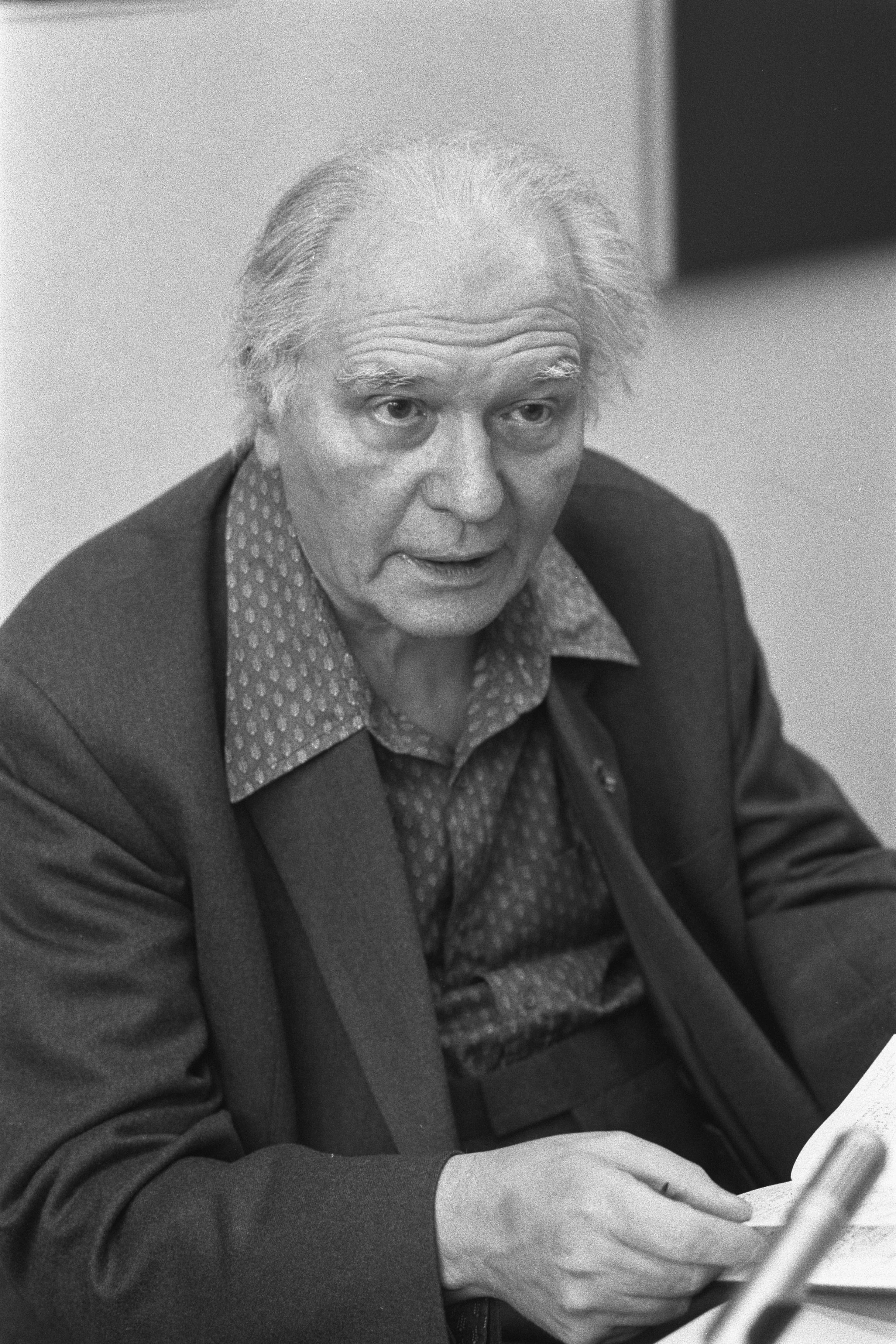
Image from Wikipedia
Image from Wikipedia
Olivier Messiaen – The Composer of Light, Birds, and Spiritual Sound Architecture
A French visionary between the organ, modernity, and mystical sound language
Olivier Messiaen is one of the defining composers of the 20th century: a French organist, composition teacher, and music thinker who shaped his art from faith, observations of nature, and a distinctive harmonic inventiveness. Born on December 10, 1908, in Avignon and died on April 27, 1992, in Clichy, he developed a musical career that is rooted equally in liturgy, concert halls, and music history. His biography combines early talent, academic excellence, war captivity, and an artistic development that is still considered a benchmark for compositional originality. ([oliviermessiaen.org](https://www.oliviermessiaen.org/?utm_source=openai))
Childhood, Education, and the Early Beginnings of an Extraordinary Career
Messiaen's musical career began early: even as a child, he composed and taught himself to play the piano. The family moved to Grenoble during World War I, later to Nantes, before Messiaen entered the Conservatoire in Paris in 1919, where he received training in central subjects such as composition, harmony, and organ. This academic training laid the foundation for a body of work that would later be considered one of the most individual positions in music history. ([oliviermessiaen.org](https://www.oliviermessiaen.org/?utm_source=openai))
Already during his studies, Messiaen's dual talent as an analytical musician and spiritual sound researcher became evident. His teachers belonged to the elite of French music life, and his development soon led him to the organ of the Parisian church La Sainte-Trinité, where he became titular organist at the age of just 22. This position accompanied him until his death and became one of the most important driving forces of his artistic identity. ([oliviermessiaen.org](https://www.oliviermessiaen.org/?utm_source=openai))
The Breakthrough: Messiaen as Organist, Teacher, and Modern Composer
Messiaen's breakthrough did not come from a single pop or chart moment, but from the gradual establishment of a radically independent sound language. He combined modal harmony, complex rhythms, ideas of color, and religious symbolism into a compositional method that was theoretically articulated in his treatise Technique de mon langage musical. Thus, he became influential not only as a composer but also as a musical thinker and educator internationally. ([britannica.com](https://www.britannica.com/biography/Olivier-Messiaen?utm_source=openai))
His role as a composition teacher amplified this influence. Messiaen shaped entire generations of musicians, and his class in Paris became a focal point of post-war modernity. The significance of this teaching can also be seen in the way his works were repeatedly interpreted, recorded, and commented on by students and admirers, creating an extraordinarily vibrant reception history. ([oliviermessiaen.org](https://www.oliviermessiaen.org/?utm_source=openai))
War Years, Captivity, and the Birth of a Masterpiece
One of the most formative stages of his career was his captivity during World War II. Messiaen was taken to a German camp and composed Quatuor pour la fin du temps there under extreme conditions, one of the iconic scores of the 20th century. The work was created for the available instruments in the camp and demonstrates Messiaen's ability to create music of spiritual breadth and formal clarity even from existential hardship. ([en.wikipedia.org](https://en.wikipedia.org/wiki/Olivier_Messiaen?utm_source=openai))
This quartet became a symbol of resistance, transcendence, and human dignity in art. It is regarded in reception as a key work that powerfully sharpened Messiaen's aesthetic profile and solidified his reputation as a composer with a distinctive voice. The official Messiaen website also highlights this biographical and creative condensation as a central moment in his life. ([oliviermessiaen.org](https://www.oliviermessiaen.org/?utm_source=openai))
Discography and Body of Work: From Organ to Orchestral Color Overload
Messiaen's catalog of works is broad and stylistically highly concentrated. Important early and middle compositions include Préludes, Les Offrandes oubliées, L’Ascension, La Nativité du Seigneur, Les Corps glorieux, Quatuor pour la fin du temps, Turangalîla-Symphonie, Réveil des oiseaux, Oiseaux exotiques, Chronochromie, Et exspecto resurrectionem mortuorum, La Transfiguration de Notre Seigneur Jésus-Christ, Méditations sur le mystère de la Sainte Trinité, and Éclairs sur l’au-delà.... These works mark the range between organ music, chamber music, vocal works, and monumental orchestral scores. ([oliviermessiaen.org](https://www.oliviermessiaen.org/list-of-works?utm_source=openai))
His organ works are particularly important, remaining part of the core repertoire to this day. The official website documents an extensive catalog of works along with current publications and editions concerning his music, including new recordings and re-releases. In critical reception, Messiaen's piano and organ works are often described as a laboratory of his stylistic innovation, where rhythmic boldness, modal systems, and sonic symbolism come together most distinctly. ([oliviermessiaen.org](https://www.oliviermessiaen.org/list-of-works?utm_source=openai))
Musical Language: Modes, Rhythm, Color, and Birdsong
Messiaen's style is immediately recognizable. His compositions employ limited transposable modes, irregular rhythms, sounding color associations, and often a highly contemplative form language. The official portrayal of his work and the literature emphasize that Messiaen understood sound not only as material but also as a spiritual and visual experience. ([britannica.com](https://www.britannica.com/biography/Olivier-Messiaen?utm_source=openai))
Another central element is his ornithology. Messiaen recorded bird songs, classified them, and transformed them into compositional structures, thereby transforming natural sounds into a highly artificial language of art. This connection of observation and imagination made him a singular figure in music history: a composer who did not pit nature, theology, and modernity against each other, but rather fused them into a shared sonic world. ([oliviermessiaen.org](https://www.oliviermessiaen.org/?utm_source=openai))
Reception, Significance, and Cultural Influence
Messiaen's cultural influence extends far beyond classical modernity. He shaped the post-war avant-garde, inspired performers, educators, and composers, and remained a figure of great charisma for the broader concert audience. His music is regularly re-recorded, explored, and presented in concert series, festivals, and CD editions, which underscores the extraordinary lasting impact of his oeuvre. ([oliviermessiaen.org](https://www.oliviermessiaen.org/news-events?utm_source=openai))
The press repeatedly honors Messiaen as a visionary musician whose work combines religious ecstasy, technical rigor, and color fantasy. Official resources and reviews highlight the ongoing relevance of his music in contemporary concert life, while recent publications show that his compositions continue to serve as a benchmark for performers with high stylistic sensitivity. ([oliviermessiaen.org](https://www.oliviermessiaen.org/news-events?utm_source=openai))
Current Projects and Publications Relating to Messiaen
Even decades after his death, Messiaen's work remains productively circulating. The official Messiaen website points to current publications, re-releases, and projects, including new recordings of the organ works, scholarly materials, and events related to his compositional legacy. This includes reissued recordings from 2024 surrounding his music, as well as ongoing curatorial and documentary initiatives that keep his significance visible in the 21st century. ([oliviermessiaen.org](https://www.oliviermessiaen.org/?utm_source=openai))
Notably, Messiaen's work is not treated as a completed chapter of a museum, but as a living body of work that is continuously interpreted and edited. The website documents concerts, reviews, and archival projects that place his music in new performance contexts and connect the historical depth of his creation with contemporary presence. ([oliviermessiaen.org](https://www.oliviermessiaen.org/?utm_source=openai))
Conclusion: Why Olivier Messiaen Remains Fascinating Today
Olivier Messiaen remains intriguing because his music creates a rare connection of intellect, spirituality, and sensual color. His career showcases an artist who shaped a distinctive sound world from education, faith, observation, and experience. Anyone who listens to Messiaen encounters not just a composer of modernity, but an aesthetic world that makes time, nature, and transcendence remarkably audible. ([oliviermessiaen.org](https://www.oliviermessiaen.org/?utm_source=openai))
For this reason, every live encounter with his music is worthwhile: in the concert hall, at the organ, or in a carefully curated re-recording, his rhythms, colors, and birdsongs unfold with full force. Messiaen is not a composer for fleeting moments, but for attentive listening, wonder, and lasting impact. His art challenges, uplifts, and remains. ([oliviermessiaen.org](https://www.oliviermessiaen.org/news-events?utm_source=openai))
Official Channels of Olivier Messiaen:
- Instagram: no official profile found
- Facebook: no official profile found
- YouTube: no official profile found
- Spotify: no official profile found
- TikTok: no official profile found
Sources:
Upcoming Events
Musical Soirée for Olivier Messiaen in Bonn
SIA - NOSTALGIC FOR THE PRESENT in Braunschweig
SIA – NOSTALGIC FOR THE PRESENT in Braunschweig
SIA - NOSTALGIC FOR THE PRESENT in Braunschweig
MUSIC & CULTURE: SIA - NOSTALGIC FOR THE PRESENT
SIA - NOSTALGIC FOR THE PRESENT
Sia: Nostalgic for the Present at ASTOR Filmtheater Braunschweig
SIA - Nostalgic For The Present in Braunschweig