
Bad Kissingen
Brunnengasse, 97688 Bad Kissingen, Deutschland
Ignatius-Taschner-Fountain | Bad Kissingen & Brunnengasse
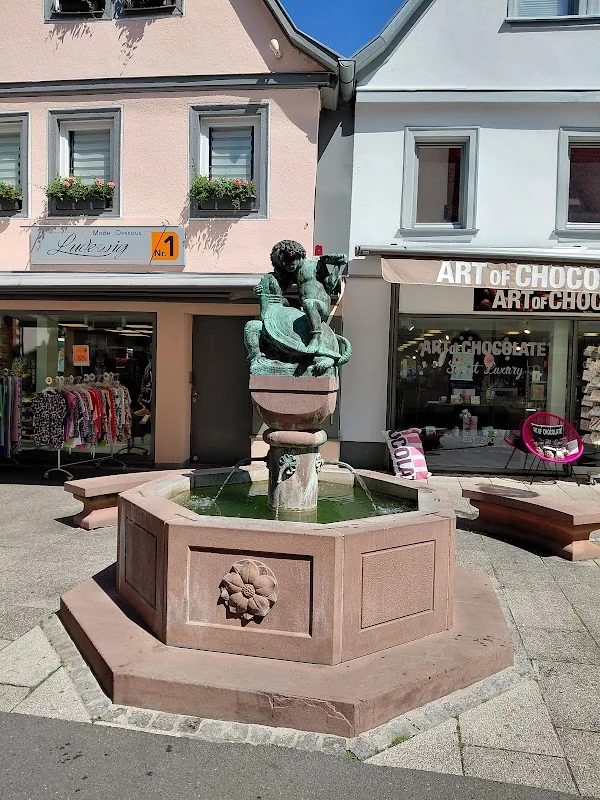
The Ignatius-Taschner-Fountain is not a large monument or a closed event venue, but a public, very striking eye-catcher in the middle of the Bad Kissingen pedestrian zone. This is precisely its charm: Those strolling through the historic spa district encounter a fountain that connects art, city history, and everyday life in a compact space. Bad Kissingen itself has grown as a historic spa town along the Franconian Saale and has been part of the UNESCO World Heritage Great Spa Towns of Europe since 2021. The fountain fits into this environment like a small but prominent accent among spa architecture, promenades, and summer city life. For visitors, it is not only a photo motif but also a good point of orientation on a tour through the center. ([badkissingen.de](https://www.badkissingen.de/?utm_source=openai))
Where is the Ignatius-Taschner-Fountain located in Bad Kissingen?
The official city website lists the venue as Taschner-Fountain in the pedestrian zone (Modehaus Ludewig) and locates it at Brunnengasse 1, 97688 Bad Kissingen. This places the fountain very centrally in the urban core, in an area used equally by passersby, guests, and festival audiences. Its location in the pedestrian zone makes it particularly easy to find: You encounter it not at a remote sight at the edge of the city, but directly in the lively center. Those coming from the direction of the spa gardens, arcade building, or old town almost automatically enter the area where the fountain serves as a small stop in the urban space. Its public accessibility and lack of special access threshold make it particularly attractive for spontaneous visits. Instead of lengthy planning, often a walk through the city center is enough to incorporate the fountain into the tour. ([badkissingen.de](https://www.badkissingen.de/kultur/veranstaltungskalender?ev%5Bid%5D=126997))
The position in the heart of the pedestrian zone is also sensible from a tourist perspective. Bad Kissingen thrives on strolling between cultural offerings, healing springs, and historic buildings. In this context, the Ignatius-Taschner-Fountain is a compact, well-visible detail that is often discovered incidentally and then consciously observed again. This is important for the city because such places do not require closed entry areas but function as low-threshold urban points. The fountain fits into a spa town where movement, stay, and discovery traditionally belong together. Thus, those visiting the site do not experience an isolated single attraction but a small building block in a densely layered urban landscape shaped by the historical spa tradition. ([badkissingen.de](https://www.badkissingen.de/?utm_source=openai))
How did the fountain come about and why does it connect Bad Kissingen with Poznań?
The history of the Bad Kissingen fountain cannot be told without Poznań. The official city website of Poznań documents the local Studzienka Ignacego Taschnera as a work by the sculptor Ignatius Taschner. According to this page, the installation adorned the courtyard of today's town hall or city administration from 1808 until the second half of the 20th century and was reinstalled in 1992 in the garden of the former Freemason lodge, now the Ethnographic Museum. The description also emphasizes that the central pedestal is decorated with child and fish figures. This model is interesting for Bad Kissingen because the local fountain can be understood as a conscious echo of this historical model. It thus connects a Franconian spa town with an art historical template from Poland and refers to the international character of Taschner's work. ([poznan.pl](https://www.poznan.pl/mim/cik/fontanny-i-studzienki%2Cpoi%2C2571/studzienka-ignacego-taschnera%2C41216.html))
For the Bad Kissingen location, image documentation clearly speaks of a 1993 copy of the original fountain in Poznań. In these documents, the installation is described as Taschner-Fountain in the pedestrian zone, also as a work with bronze figures by Ignatius Taschner. Particularly striking is the playful motif, which in many descriptions is associated with a boy on a turtle. Such motifs make the fountain a friendly, almost narrative object: It does not appear monumental but approachable and lively. This character fits well with Bad Kissingen because the place historically thrives on representation but also offers many small, easily readable urban moments in everyday life. The fountain is thus not only a copy but a conscious translation of an artistic model into today's urban space. ([commons.wikimedia.org](https://commons.wikimedia.org/wiki/File%3AIgnatius-Taschner-Brunnen.JPG?utm_source=openai))
That the fountain bears Taschner's name is also more than just a title. It reminds us of an artist whose works hold a firm place in Central European fountain and sculpture culture. Even though the Bad Kissingen fountain appears small, it carries a significant art historical connection: It is part of the line of Taschner's figurative fountain art, which thrives on fine wit, clear form, and a certain narrative joy. This mixture makes it interesting for visitors who are not only looking for beautiful corners but also want to understand why a small fountain bears a name known far beyond the city. Thus, the site becomes an example of how artworks can be picked up across national borders and transferred into new urban spaces. ([poznan.pl](https://www.poznan.pl/mim/cik/fontanny-i-studzienki%2Cpoi%2C2571/studzienka-ignacego-taschnera%2C41216.html))
What role does the Taschner-Fountain play during the Kissinger Summer?
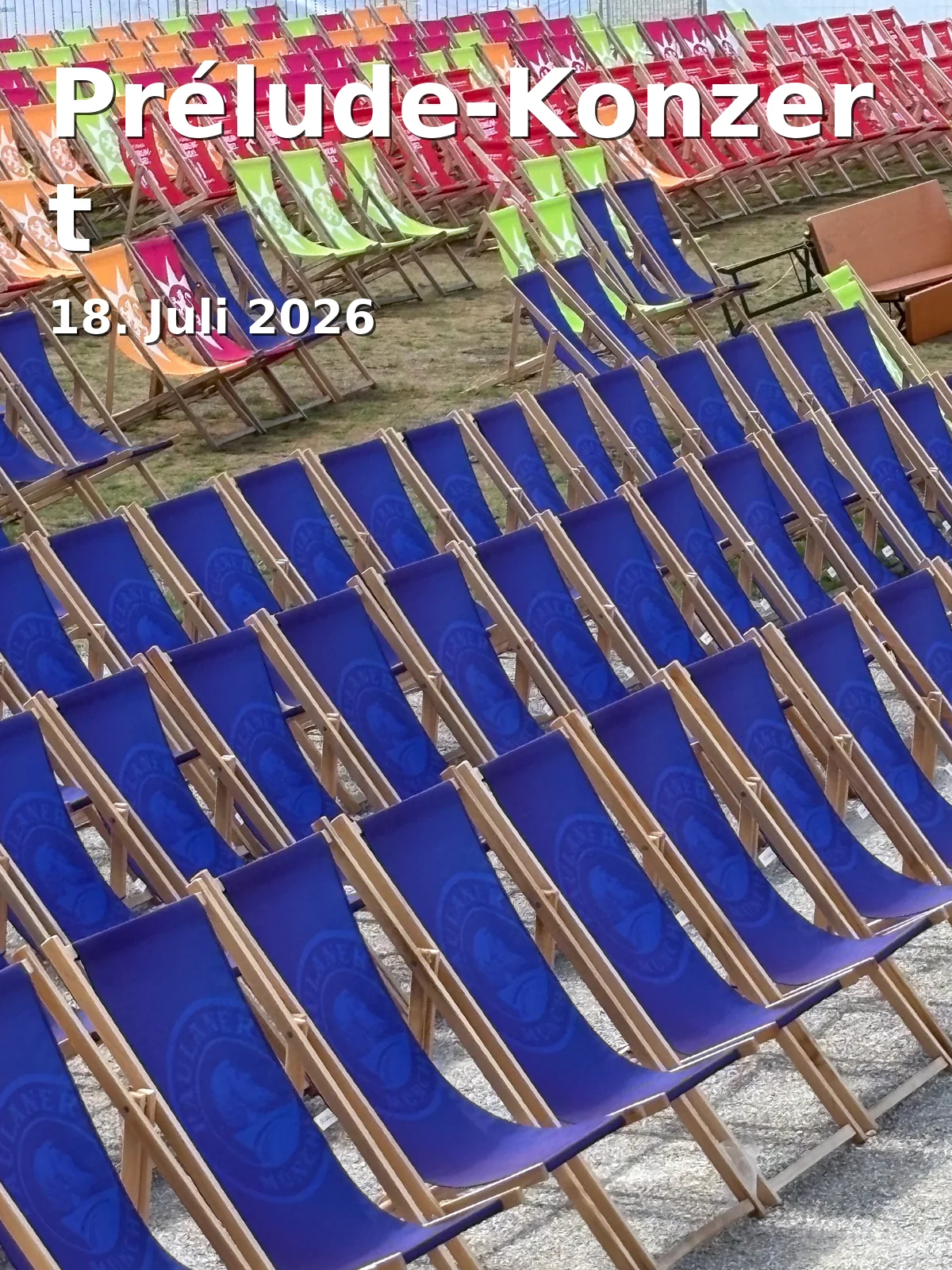
The Ignatius-Taschner-Fountain is not only a monument to pass by but also a real venue for the Kissinger Summer. The festival website lists the location as Taschner-Fountain in the pedestrian zone, showing that the small fountain is integrated into the public cultural life of the city. Particularly important are the Prélude concerts: They are free, relaxed, and deliberately low-threshold open-air openings to the festival evenings. According to the official description, they take place every Friday and Saturday at 6 PM in various public spaces in Bad Kissingen and bring music directly into the city. For visitors, this means: The fountain is not only an object to look at but occasionally also a backdrop for music, encounters, and summer atmosphere. This connection makes it particularly lively during the festival period. ([kissingersommer.de](https://www.kissingersommer.de/festival/festivalformate/45505.Prelude-Konzerte.html?utm_source=openai))
The festival logic is consciously thought out in an urban way. The Kissinger Summer states that the city becomes the stage and names other public places such as the marketplace, casino, pedestrian zone, Sisi monument, concert shell, and rose garden alongside the Taschner-Fountain. This shows: The fountain stands in a row of urban places that are musically charged during the festival. If bad weather sets in, the events move to the Rossini Hall; this is also important for planning on-site. For guests, this means that the fountain can be a typical spot for a short but atmospheric festival moment. Its role is thus more that of an urban meeting point than that of a classic concert hall, and therein lies its charm. The cultural value arises here from the connection of art in urban space and lively use in the festival everyday life. ([badkissingen.de](https://www.badkissingen.de/kultur/veranstaltungskalender?ev%5Bid%5D=126997))
Even outside the actual festival evening, the fountain benefits from this cultural charge. Places that are regularly mentioned in programs gain special visibility in the memory of many visitors. Those who have experienced the Taschner-Fountain once as a concert venue often perceive it later with different eyes. This is particularly valuable for Bad Kissingen because the city closely intertwines its spa and cultural offerings. The fountain thus becomes a link between the summer program, city walk, and historic ambiance. Its presence in the Kissinger Summer also shows that not only large halls but also small, publicly accessible urban spaces can have cultural significance. ([kissingersommer.de](https://www.kissingersommer.de/festival/festivalformate/45505.Prelude-Konzerte.html?utm_source=openai))
How do you reach the fountain and what applies to arrival and parking?
For the venue, the Kissinger Summer explicitly refers to arrival by bus, train, car, or on foot. There is also a note on the official venue page about parking options that can be downloaded as a PDF. This makes it clear: The fountain is integrated into the festival and city traffic system in such a way that visitors can plan their arrival flexibly. For practical visits, this is a significant advantage, as the site does not rely on a single mode of access. Those arriving by train to Bad Kissingen can reach the city center just as well as guests arriving by car. The city's note on parking and public transport fits this and shows that the location in the center is intended as part of urban mobility. Especially in an open urban space like this, planning the arrival is often more important than actual navigation to the site. ([kissingersommer.de](https://www.kissingersommer.de/ihr-besuch/spielstaetten/index.html?detID=352505&utm_source=openai))
Since the fountain is located in the pedestrian zone, the last section of the journey is logical and pleasant on foot. This is not a disadvantage but part of the experience: The historic city center of Bad Kissingen is designed for slow exploration. Therefore, those visiting the fountain should not only plan for the point itself but also for the way there. The pedestrian zone, the spa facilities, and the adjacent streets together create an urban space that invites strolling. For guests who are already taking a walk through the center, the Taschner-Fountain is particularly easy to integrate. And those who combine the visit with a concert or a walk through the UNESCO ensemble's spa towns will almost automatically include the site in their route. This makes it an ideal stop for people who prefer to experience culture while walking rather than sitting. ([badkissingen.de](https://www.badkissingen.de/kultur/veranstaltungskalender?ev%5Bid%5D=126997))
The urban structure also helps with orientation. Bad Kissingen offers numerous waypoints in the center that serve as orientation: spa gardens, arcade building, Wandelhalle, fountain hall, and the adjacent streets of the spa district. The Taschner-Fountain is not located at the edge of this composition but in the middle of a densely interconnected network of footpaths. Therefore, those who understand the journey as part of the experience will perceive the fountain not as an isolated place but as a station in a larger urban experience. This corresponds to the Bad Kissingen experience: Not the quick ticking off but the slow discovery is in the foreground. ([welterbe.badkissingen.de](https://welterbe.badkissingen.de/historische-kur-erleben/historische-kur-heute/41722.Meet--Greet-im-Kurgarten.html?utm_source=openai))
What can visitors see around the fountain in the historic spa town?
Around the Ignatius-Taschner-Fountain, what Bad Kissingen is famous for condenses: spa architecture, walking paths, and a long tradition of public spaces. The spa garden, for example, is described on the World Heritage site as the heart of the spa district and as the oldest example of a spa garden deliberately designed for sociability and strolling within the framework of the drinking cure. Its current size was achieved in the 19th century after two spa gardens were merged. This historical atmosphere explains why a small fountain works so well in the urban space: It does not stand alone but in an environment where people have been walking, lingering, and observing for centuries. Thus, those visiting the Taschner-Fountain experience not only an object but an urban environment designed for movement and encounters. ([welterbe.badkissingen.de](https://welterbe.badkissingen.de/welterbe-bad-kissingen/sehenswuerdigkeiten/41625.Kurgarten.html?utm_source=openai))
Another important reference point is the Wandelhalle with fountain hall. The World Heritage site describes the Wandelhalle as a building by Max Littmann from 1910 to 1912, with Art Nouveau furnishings, majolica tiles, and ceramic fountains. In the fountain hall, healing waters are still dispensed today; it is part of the spa culture that has long shaped Bad Kissingen. This is interesting for visitors because the Taschner-Fountain is thus embedded in an environment where water is not only decorative but culturally and healthily charged. Although the fountain is not a drinking fountain in the classical sense of these halls, it visually and atmospherically belongs to a city whose identity is strongly determined by water, spa, and public design. This proximity to the famous spa facilities gives it additional significance. ([welterbe.badkissingen.de](https://welterbe.badkissingen.de/historische-kur-erleben/historische-kur-heute/41729.Trinkkur-und-Orchesterkonzert-in-der-Wandelhalle.html?utm_source=openai))
Visitors who see the fountain only as a stop may easily miss its context. Especially in conjunction with the spa garden, Wandelhalle, arcade building, and surrounding walking paths, it becomes clear that the site is part of a very consciously designed urban landscape. Bad Kissingen has not become this way by chance but through the combination of healing springs, representation, and leisure culture. The city website also describes Bad Kissingen as a historic spa town along the Franconian Saale, surrounded by forest areas and nature. This creates an exciting contrast: Here a small urban fountain in the pedestrian zone, there the generous park and spa facilities. Those who connect both experience the character of the city particularly fully. ([badkissingen.de](https://www.badkissingen.de/?utm_source=openai))
Why is the Ignatius-Taschner-Fountain a good destination for photos and walks?
The Ignatius-Taschner-Fountain is so interesting for photos because it is small enough to be quickly understood and at the same time unusual enough to remain in memory. A public fountain in a pedestrian zone works photographically differently than a large monument: It thrives on proximity, perspective, and context. That is exactly why it is worthwhile to capture not only the object itself but also the surrounding area. The Brunnengasse, the pedestrian zone, and the ambiance of the spa district provide an image that immediately looks like Bad Kissingen. Those who walk with open eyes discover here a place where art, water, and everyday life come together in a very dense form. This makes the fountain an ideal destination for all who appreciate short city walks and prefer to collect individual, characterful motifs rather than tick off large tours. ([badkissingen.de](https://www.badkissingen.de/kultur/veranstaltungskalender?ev%5Bid%5D=126997))
The place is particularly appealing in the hours when the city center comes alive: when people are strolling, when festival music is playing nearby, or when the light falls on the fountain figure differently than in the morning. The Prélude concerts of the Kissinger Summer show very well how strongly a public space can be atmospherically charged. The fountain then becomes not only an object but a backdrop for an urban moment. Even outside the festival, it remains a beautiful spot for a short stop on the way through the city. Therefore, anyone planning a visit should not see it as a separate must-see attraction but as a calm, charming part of a larger walk through historic Bad Kissingen. Especially in a spa town that has lived from conscious walking and lingering for centuries, this is the most fitting way to experience the place. ([kissingersommer.de](https://www.kissingersommer.de/festival/festivalformate/45505.Prelude-Konzerte.html?utm_source=openai))
In the end, the Ignatius-Taschner-Fountain is an example of how a small urban space can have a great impact. It connects the name of an artist with a historical template from Poznań, the lively festival use of the Kissinger Summer, and the special character of a UNESCO-protected spa town. This mixture makes it so interesting for visitors: It is easily accessible, quickly grasped, and yet rich in history. Those who want to discover Bad Kissingen find here a place that does not have to be loud to be present. The fountain shows that the strongest impressions often arise in seemingly inconspicuous places. ([poznan.pl](https://www.poznan.pl/mim/cik/fontanny-i-studzienki%2Cpoi%2C2571/studzienka-ignacego-taschnera%2C41216.html))
Sources:
- City of Bad Kissingen - Prélude Concert at the Taschner-Fountain ([badkissingen.de](https://www.badkissingen.de/kultur/veranstaltungskalender?ev%5Bid%5D=126997))
- Kissinger Summer - Venue Taschner-Fountain in the pedestrian zone ([kissingersommer.de](https://www.kissingersommer.de/ihr-besuch/spielstaetten/index.html?detID=352505&utm_source=openai))
- Kissinger Summer - Prélude Concerts ([kissingersommer.de](https://www.kissingersommer.de/festival/festivalformate/45505.Prelude-Konzerte.html?utm_source=openai))
- Poznań.pl - Studzienka Ignacego Taschnera ([poznan.pl](https://www.poznan.pl/mim/cik/fontanny-i-studzienki%2Cpoi%2C2571/studzienka-ignacego-taschnera%2C41216.html))
- Wikimedia Commons - Ignatius-Taschner-Fountain in Bad Kissingen ([commons.wikimedia.org](https://commons.wikimedia.org/wiki/File%3AIgnatius-Taschner-Brunnen.JPG?utm_source=openai))
- World Heritage Bad Kissingen - Bad Kissingen between Classicism and Modernity ([welterbe.badkissingen.de](https://welterbe.badkissingen.de/great-spas-of-europe/historische-kurstaedte/bad-kissingen/41517.Bad-Kissingen--Zwischen-Klassizismus-und-Moderne.html?utm_source=openai))
Mehr anzeigenWeniger anzeigen
Ignatius-Taschner-Fountain | Bad Kissingen & Brunnengasse
The Ignatius-Taschner-Fountain is not a large monument or a closed event venue, but a public, very striking eye-catcher in the middle of the Bad Kissingen pedestrian zone. This is precisely its charm: Those strolling through the historic spa district encounter a fountain that connects art, city history, and everyday life in a compact space. Bad Kissingen itself has grown as a historic spa town along the Franconian Saale and has been part of the UNESCO World Heritage Great Spa Towns of Europe since 2021. The fountain fits into this environment like a small but prominent accent among spa architecture, promenades, and summer city life. For visitors, it is not only a photo motif but also a good point of orientation on a tour through the center. ([badkissingen.de](https://www.badkissingen.de/?utm_source=openai))
Where is the Ignatius-Taschner-Fountain located in Bad Kissingen?
The official city website lists the venue as Taschner-Fountain in the pedestrian zone (Modehaus Ludewig) and locates it at Brunnengasse 1, 97688 Bad Kissingen. This places the fountain very centrally in the urban core, in an area used equally by passersby, guests, and festival audiences. Its location in the pedestrian zone makes it particularly easy to find: You encounter it not at a remote sight at the edge of the city, but directly in the lively center. Those coming from the direction of the spa gardens, arcade building, or old town almost automatically enter the area where the fountain serves as a small stop in the urban space. Its public accessibility and lack of special access threshold make it particularly attractive for spontaneous visits. Instead of lengthy planning, often a walk through the city center is enough to incorporate the fountain into the tour. ([badkissingen.de](https://www.badkissingen.de/kultur/veranstaltungskalender?ev%5Bid%5D=126997))
The position in the heart of the pedestrian zone is also sensible from a tourist perspective. Bad Kissingen thrives on strolling between cultural offerings, healing springs, and historic buildings. In this context, the Ignatius-Taschner-Fountain is a compact, well-visible detail that is often discovered incidentally and then consciously observed again. This is important for the city because such places do not require closed entry areas but function as low-threshold urban points. The fountain fits into a spa town where movement, stay, and discovery traditionally belong together. Thus, those visiting the site do not experience an isolated single attraction but a small building block in a densely layered urban landscape shaped by the historical spa tradition. ([badkissingen.de](https://www.badkissingen.de/?utm_source=openai))
How did the fountain come about and why does it connect Bad Kissingen with Poznań?
The history of the Bad Kissingen fountain cannot be told without Poznań. The official city website of Poznań documents the local Studzienka Ignacego Taschnera as a work by the sculptor Ignatius Taschner. According to this page, the installation adorned the courtyard of today's town hall or city administration from 1808 until the second half of the 20th century and was reinstalled in 1992 in the garden of the former Freemason lodge, now the Ethnographic Museum. The description also emphasizes that the central pedestal is decorated with child and fish figures. This model is interesting for Bad Kissingen because the local fountain can be understood as a conscious echo of this historical model. It thus connects a Franconian spa town with an art historical template from Poland and refers to the international character of Taschner's work. ([poznan.pl](https://www.poznan.pl/mim/cik/fontanny-i-studzienki%2Cpoi%2C2571/studzienka-ignacego-taschnera%2C41216.html))
For the Bad Kissingen location, image documentation clearly speaks of a 1993 copy of the original fountain in Poznań. In these documents, the installation is described as Taschner-Fountain in the pedestrian zone, also as a work with bronze figures by Ignatius Taschner. Particularly striking is the playful motif, which in many descriptions is associated with a boy on a turtle. Such motifs make the fountain a friendly, almost narrative object: It does not appear monumental but approachable and lively. This character fits well with Bad Kissingen because the place historically thrives on representation but also offers many small, easily readable urban moments in everyday life. The fountain is thus not only a copy but a conscious translation of an artistic model into today's urban space. ([commons.wikimedia.org](https://commons.wikimedia.org/wiki/File%3AIgnatius-Taschner-Brunnen.JPG?utm_source=openai))
That the fountain bears Taschner's name is also more than just a title. It reminds us of an artist whose works hold a firm place in Central European fountain and sculpture culture. Even though the Bad Kissingen fountain appears small, it carries a significant art historical connection: It is part of the line of Taschner's figurative fountain art, which thrives on fine wit, clear form, and a certain narrative joy. This mixture makes it interesting for visitors who are not only looking for beautiful corners but also want to understand why a small fountain bears a name known far beyond the city. Thus, the site becomes an example of how artworks can be picked up across national borders and transferred into new urban spaces. ([poznan.pl](https://www.poznan.pl/mim/cik/fontanny-i-studzienki%2Cpoi%2C2571/studzienka-ignacego-taschnera%2C41216.html))
What role does the Taschner-Fountain play during the Kissinger Summer?
The Ignatius-Taschner-Fountain is not only a monument to pass by but also a real venue for the Kissinger Summer. The festival website lists the location as Taschner-Fountain in the pedestrian zone, showing that the small fountain is integrated into the public cultural life of the city. Particularly important are the Prélude concerts: They are free, relaxed, and deliberately low-threshold open-air openings to the festival evenings. According to the official description, they take place every Friday and Saturday at 6 PM in various public spaces in Bad Kissingen and bring music directly into the city. For visitors, this means: The fountain is not only an object to look at but occasionally also a backdrop for music, encounters, and summer atmosphere. This connection makes it particularly lively during the festival period. ([kissingersommer.de](https://www.kissingersommer.de/festival/festivalformate/45505.Prelude-Konzerte.html?utm_source=openai))
The festival logic is consciously thought out in an urban way. The Kissinger Summer states that the city becomes the stage and names other public places such as the marketplace, casino, pedestrian zone, Sisi monument, concert shell, and rose garden alongside the Taschner-Fountain. This shows: The fountain stands in a row of urban places that are musically charged during the festival. If bad weather sets in, the events move to the Rossini Hall; this is also important for planning on-site. For guests, this means that the fountain can be a typical spot for a short but atmospheric festival moment. Its role is thus more that of an urban meeting point than that of a classic concert hall, and therein lies its charm. The cultural value arises here from the connection of art in urban space and lively use in the festival everyday life. ([badkissingen.de](https://www.badkissingen.de/kultur/veranstaltungskalender?ev%5Bid%5D=126997))
Even outside the actual festival evening, the fountain benefits from this cultural charge. Places that are regularly mentioned in programs gain special visibility in the memory of many visitors. Those who have experienced the Taschner-Fountain once as a concert venue often perceive it later with different eyes. This is particularly valuable for Bad Kissingen because the city closely intertwines its spa and cultural offerings. The fountain thus becomes a link between the summer program, city walk, and historic ambiance. Its presence in the Kissinger Summer also shows that not only large halls but also small, publicly accessible urban spaces can have cultural significance. ([kissingersommer.de](https://www.kissingersommer.de/festival/festivalformate/45505.Prelude-Konzerte.html?utm_source=openai))
How do you reach the fountain and what applies to arrival and parking?
For the venue, the Kissinger Summer explicitly refers to arrival by bus, train, car, or on foot. There is also a note on the official venue page about parking options that can be downloaded as a PDF. This makes it clear: The fountain is integrated into the festival and city traffic system in such a way that visitors can plan their arrival flexibly. For practical visits, this is a significant advantage, as the site does not rely on a single mode of access. Those arriving by train to Bad Kissingen can reach the city center just as well as guests arriving by car. The city's note on parking and public transport fits this and shows that the location in the center is intended as part of urban mobility. Especially in an open urban space like this, planning the arrival is often more important than actual navigation to the site. ([kissingersommer.de](https://www.kissingersommer.de/ihr-besuch/spielstaetten/index.html?detID=352505&utm_source=openai))
Since the fountain is located in the pedestrian zone, the last section of the journey is logical and pleasant on foot. This is not a disadvantage but part of the experience: The historic city center of Bad Kissingen is designed for slow exploration. Therefore, those visiting the fountain should not only plan for the point itself but also for the way there. The pedestrian zone, the spa facilities, and the adjacent streets together create an urban space that invites strolling. For guests who are already taking a walk through the center, the Taschner-Fountain is particularly easy to integrate. And those who combine the visit with a concert or a walk through the UNESCO ensemble's spa towns will almost automatically include the site in their route. This makes it an ideal stop for people who prefer to experience culture while walking rather than sitting. ([badkissingen.de](https://www.badkissingen.de/kultur/veranstaltungskalender?ev%5Bid%5D=126997))
The urban structure also helps with orientation. Bad Kissingen offers numerous waypoints in the center that serve as orientation: spa gardens, arcade building, Wandelhalle, fountain hall, and the adjacent streets of the spa district. The Taschner-Fountain is not located at the edge of this composition but in the middle of a densely interconnected network of footpaths. Therefore, those who understand the journey as part of the experience will perceive the fountain not as an isolated place but as a station in a larger urban experience. This corresponds to the Bad Kissingen experience: Not the quick ticking off but the slow discovery is in the foreground. ([welterbe.badkissingen.de](https://welterbe.badkissingen.de/historische-kur-erleben/historische-kur-heute/41722.Meet--Greet-im-Kurgarten.html?utm_source=openai))
What can visitors see around the fountain in the historic spa town?
Around the Ignatius-Taschner-Fountain, what Bad Kissingen is famous for condenses: spa architecture, walking paths, and a long tradition of public spaces. The spa garden, for example, is described on the World Heritage site as the heart of the spa district and as the oldest example of a spa garden deliberately designed for sociability and strolling within the framework of the drinking cure. Its current size was achieved in the 19th century after two spa gardens were merged. This historical atmosphere explains why a small fountain works so well in the urban space: It does not stand alone but in an environment where people have been walking, lingering, and observing for centuries. Thus, those visiting the Taschner-Fountain experience not only an object but an urban environment designed for movement and encounters. ([welterbe.badkissingen.de](https://welterbe.badkissingen.de/welterbe-bad-kissingen/sehenswuerdigkeiten/41625.Kurgarten.html?utm_source=openai))
Another important reference point is the Wandelhalle with fountain hall. The World Heritage site describes the Wandelhalle as a building by Max Littmann from 1910 to 1912, with Art Nouveau furnishings, majolica tiles, and ceramic fountains. In the fountain hall, healing waters are still dispensed today; it is part of the spa culture that has long shaped Bad Kissingen. This is interesting for visitors because the Taschner-Fountain is thus embedded in an environment where water is not only decorative but culturally and healthily charged. Although the fountain is not a drinking fountain in the classical sense of these halls, it visually and atmospherically belongs to a city whose identity is strongly determined by water, spa, and public design. This proximity to the famous spa facilities gives it additional significance. ([welterbe.badkissingen.de](https://welterbe.badkissingen.de/historische-kur-erleben/historische-kur-heute/41729.Trinkkur-und-Orchesterkonzert-in-der-Wandelhalle.html?utm_source=openai))
Visitors who see the fountain only as a stop may easily miss its context. Especially in conjunction with the spa garden, Wandelhalle, arcade building, and surrounding walking paths, it becomes clear that the site is part of a very consciously designed urban landscape. Bad Kissingen has not become this way by chance but through the combination of healing springs, representation, and leisure culture. The city website also describes Bad Kissingen as a historic spa town along the Franconian Saale, surrounded by forest areas and nature. This creates an exciting contrast: Here a small urban fountain in the pedestrian zone, there the generous park and spa facilities. Those who connect both experience the character of the city particularly fully. ([badkissingen.de](https://www.badkissingen.de/?utm_source=openai))
Why is the Ignatius-Taschner-Fountain a good destination for photos and walks?
The Ignatius-Taschner-Fountain is so interesting for photos because it is small enough to be quickly understood and at the same time unusual enough to remain in memory. A public fountain in a pedestrian zone works photographically differently than a large monument: It thrives on proximity, perspective, and context. That is exactly why it is worthwhile to capture not only the object itself but also the surrounding area. The Brunnengasse, the pedestrian zone, and the ambiance of the spa district provide an image that immediately looks like Bad Kissingen. Those who walk with open eyes discover here a place where art, water, and everyday life come together in a very dense form. This makes the fountain an ideal destination for all who appreciate short city walks and prefer to collect individual, characterful motifs rather than tick off large tours. ([badkissingen.de](https://www.badkissingen.de/kultur/veranstaltungskalender?ev%5Bid%5D=126997))
The place is particularly appealing in the hours when the city center comes alive: when people are strolling, when festival music is playing nearby, or when the light falls on the fountain figure differently than in the morning. The Prélude concerts of the Kissinger Summer show very well how strongly a public space can be atmospherically charged. The fountain then becomes not only an object but a backdrop for an urban moment. Even outside the festival, it remains a beautiful spot for a short stop on the way through the city. Therefore, anyone planning a visit should not see it as a separate must-see attraction but as a calm, charming part of a larger walk through historic Bad Kissingen. Especially in a spa town that has lived from conscious walking and lingering for centuries, this is the most fitting way to experience the place. ([kissingersommer.de](https://www.kissingersommer.de/festival/festivalformate/45505.Prelude-Konzerte.html?utm_source=openai))
In the end, the Ignatius-Taschner-Fountain is an example of how a small urban space can have a great impact. It connects the name of an artist with a historical template from Poznań, the lively festival use of the Kissinger Summer, and the special character of a UNESCO-protected spa town. This mixture makes it so interesting for visitors: It is easily accessible, quickly grasped, and yet rich in history. Those who want to discover Bad Kissingen find here a place that does not have to be loud to be present. The fountain shows that the strongest impressions often arise in seemingly inconspicuous places. ([poznan.pl](https://www.poznan.pl/mim/cik/fontanny-i-studzienki%2Cpoi%2C2571/studzienka-ignacego-taschnera%2C41216.html))
Sources:
- City of Bad Kissingen - Prélude Concert at the Taschner-Fountain ([badkissingen.de](https://www.badkissingen.de/kultur/veranstaltungskalender?ev%5Bid%5D=126997))
- Kissinger Summer - Venue Taschner-Fountain in the pedestrian zone ([kissingersommer.de](https://www.kissingersommer.de/ihr-besuch/spielstaetten/index.html?detID=352505&utm_source=openai))
- Kissinger Summer - Prélude Concerts ([kissingersommer.de](https://www.kissingersommer.de/festival/festivalformate/45505.Prelude-Konzerte.html?utm_source=openai))
- Poznań.pl - Studzienka Ignacego Taschnera ([poznan.pl](https://www.poznan.pl/mim/cik/fontanny-i-studzienki%2Cpoi%2C2571/studzienka-ignacego-taschnera%2C41216.html))
- Wikimedia Commons - Ignatius-Taschner-Fountain in Bad Kissingen ([commons.wikimedia.org](https://commons.wikimedia.org/wiki/File%3AIgnatius-Taschner-Brunnen.JPG?utm_source=openai))
- World Heritage Bad Kissingen - Bad Kissingen between Classicism and Modernity ([welterbe.badkissingen.de](https://welterbe.badkissingen.de/great-spas-of-europe/historische-kurstaedte/bad-kissingen/41517.Bad-Kissingen--Zwischen-Klassizismus-und-Moderne.html?utm_source=openai))
Ignatius-Taschner-Fountain | Bad Kissingen & Brunnengasse
The Ignatius-Taschner-Fountain is not a large monument or a closed event venue, but a public, very striking eye-catcher in the middle of the Bad Kissingen pedestrian zone. This is precisely its charm: Those strolling through the historic spa district encounter a fountain that connects art, city history, and everyday life in a compact space. Bad Kissingen itself has grown as a historic spa town along the Franconian Saale and has been part of the UNESCO World Heritage Great Spa Towns of Europe since 2021. The fountain fits into this environment like a small but prominent accent among spa architecture, promenades, and summer city life. For visitors, it is not only a photo motif but also a good point of orientation on a tour through the center. ([badkissingen.de](https://www.badkissingen.de/?utm_source=openai))
Where is the Ignatius-Taschner-Fountain located in Bad Kissingen?
The official city website lists the venue as Taschner-Fountain in the pedestrian zone (Modehaus Ludewig) and locates it at Brunnengasse 1, 97688 Bad Kissingen. This places the fountain very centrally in the urban core, in an area used equally by passersby, guests, and festival audiences. Its location in the pedestrian zone makes it particularly easy to find: You encounter it not at a remote sight at the edge of the city, but directly in the lively center. Those coming from the direction of the spa gardens, arcade building, or old town almost automatically enter the area where the fountain serves as a small stop in the urban space. Its public accessibility and lack of special access threshold make it particularly attractive for spontaneous visits. Instead of lengthy planning, often a walk through the city center is enough to incorporate the fountain into the tour. ([badkissingen.de](https://www.badkissingen.de/kultur/veranstaltungskalender?ev%5Bid%5D=126997))
The position in the heart of the pedestrian zone is also sensible from a tourist perspective. Bad Kissingen thrives on strolling between cultural offerings, healing springs, and historic buildings. In this context, the Ignatius-Taschner-Fountain is a compact, well-visible detail that is often discovered incidentally and then consciously observed again. This is important for the city because such places do not require closed entry areas but function as low-threshold urban points. The fountain fits into a spa town where movement, stay, and discovery traditionally belong together. Thus, those visiting the site do not experience an isolated single attraction but a small building block in a densely layered urban landscape shaped by the historical spa tradition. ([badkissingen.de](https://www.badkissingen.de/?utm_source=openai))
How did the fountain come about and why does it connect Bad Kissingen with Poznań?
The history of the Bad Kissingen fountain cannot be told without Poznań. The official city website of Poznań documents the local Studzienka Ignacego Taschnera as a work by the sculptor Ignatius Taschner. According to this page, the installation adorned the courtyard of today's town hall or city administration from 1808 until the second half of the 20th century and was reinstalled in 1992 in the garden of the former Freemason lodge, now the Ethnographic Museum. The description also emphasizes that the central pedestal is decorated with child and fish figures. This model is interesting for Bad Kissingen because the local fountain can be understood as a conscious echo of this historical model. It thus connects a Franconian spa town with an art historical template from Poland and refers to the international character of Taschner's work. ([poznan.pl](https://www.poznan.pl/mim/cik/fontanny-i-studzienki%2Cpoi%2C2571/studzienka-ignacego-taschnera%2C41216.html))
For the Bad Kissingen location, image documentation clearly speaks of a 1993 copy of the original fountain in Poznań. In these documents, the installation is described as Taschner-Fountain in the pedestrian zone, also as a work with bronze figures by Ignatius Taschner. Particularly striking is the playful motif, which in many descriptions is associated with a boy on a turtle. Such motifs make the fountain a friendly, almost narrative object: It does not appear monumental but approachable and lively. This character fits well with Bad Kissingen because the place historically thrives on representation but also offers many small, easily readable urban moments in everyday life. The fountain is thus not only a copy but a conscious translation of an artistic model into today's urban space. ([commons.wikimedia.org](https://commons.wikimedia.org/wiki/File%3AIgnatius-Taschner-Brunnen.JPG?utm_source=openai))
That the fountain bears Taschner's name is also more than just a title. It reminds us of an artist whose works hold a firm place in Central European fountain and sculpture culture. Even though the Bad Kissingen fountain appears small, it carries a significant art historical connection: It is part of the line of Taschner's figurative fountain art, which thrives on fine wit, clear form, and a certain narrative joy. This mixture makes it interesting for visitors who are not only looking for beautiful corners but also want to understand why a small fountain bears a name known far beyond the city. Thus, the site becomes an example of how artworks can be picked up across national borders and transferred into new urban spaces. ([poznan.pl](https://www.poznan.pl/mim/cik/fontanny-i-studzienki%2Cpoi%2C2571/studzienka-ignacego-taschnera%2C41216.html))
What role does the Taschner-Fountain play during the Kissinger Summer?
The Ignatius-Taschner-Fountain is not only a monument to pass by but also a real venue for the Kissinger Summer. The festival website lists the location as Taschner-Fountain in the pedestrian zone, showing that the small fountain is integrated into the public cultural life of the city. Particularly important are the Prélude concerts: They are free, relaxed, and deliberately low-threshold open-air openings to the festival evenings. According to the official description, they take place every Friday and Saturday at 6 PM in various public spaces in Bad Kissingen and bring music directly into the city. For visitors, this means: The fountain is not only an object to look at but occasionally also a backdrop for music, encounters, and summer atmosphere. This connection makes it particularly lively during the festival period. ([kissingersommer.de](https://www.kissingersommer.de/festival/festivalformate/45505.Prelude-Konzerte.html?utm_source=openai))
The festival logic is consciously thought out in an urban way. The Kissinger Summer states that the city becomes the stage and names other public places such as the marketplace, casino, pedestrian zone, Sisi monument, concert shell, and rose garden alongside the Taschner-Fountain. This shows: The fountain stands in a row of urban places that are musically charged during the festival. If bad weather sets in, the events move to the Rossini Hall; this is also important for planning on-site. For guests, this means that the fountain can be a typical spot for a short but atmospheric festival moment. Its role is thus more that of an urban meeting point than that of a classic concert hall, and therein lies its charm. The cultural value arises here from the connection of art in urban space and lively use in the festival everyday life. ([badkissingen.de](https://www.badkissingen.de/kultur/veranstaltungskalender?ev%5Bid%5D=126997))
Even outside the actual festival evening, the fountain benefits from this cultural charge. Places that are regularly mentioned in programs gain special visibility in the memory of many visitors. Those who have experienced the Taschner-Fountain once as a concert venue often perceive it later with different eyes. This is particularly valuable for Bad Kissingen because the city closely intertwines its spa and cultural offerings. The fountain thus becomes a link between the summer program, city walk, and historic ambiance. Its presence in the Kissinger Summer also shows that not only large halls but also small, publicly accessible urban spaces can have cultural significance. ([kissingersommer.de](https://www.kissingersommer.de/festival/festivalformate/45505.Prelude-Konzerte.html?utm_source=openai))
How do you reach the fountain and what applies to arrival and parking?
For the venue, the Kissinger Summer explicitly refers to arrival by bus, train, car, or on foot. There is also a note on the official venue page about parking options that can be downloaded as a PDF. This makes it clear: The fountain is integrated into the festival and city traffic system in such a way that visitors can plan their arrival flexibly. For practical visits, this is a significant advantage, as the site does not rely on a single mode of access. Those arriving by train to Bad Kissingen can reach the city center just as well as guests arriving by car. The city's note on parking and public transport fits this and shows that the location in the center is intended as part of urban mobility. Especially in an open urban space like this, planning the arrival is often more important than actual navigation to the site. ([kissingersommer.de](https://www.kissingersommer.de/ihr-besuch/spielstaetten/index.html?detID=352505&utm_source=openai))
Since the fountain is located in the pedestrian zone, the last section of the journey is logical and pleasant on foot. This is not a disadvantage but part of the experience: The historic city center of Bad Kissingen is designed for slow exploration. Therefore, those visiting the fountain should not only plan for the point itself but also for the way there. The pedestrian zone, the spa facilities, and the adjacent streets together create an urban space that invites strolling. For guests who are already taking a walk through the center, the Taschner-Fountain is particularly easy to integrate. And those who combine the visit with a concert or a walk through the UNESCO ensemble's spa towns will almost automatically include the site in their route. This makes it an ideal stop for people who prefer to experience culture while walking rather than sitting. ([badkissingen.de](https://www.badkissingen.de/kultur/veranstaltungskalender?ev%5Bid%5D=126997))
The urban structure also helps with orientation. Bad Kissingen offers numerous waypoints in the center that serve as orientation: spa gardens, arcade building, Wandelhalle, fountain hall, and the adjacent streets of the spa district. The Taschner-Fountain is not located at the edge of this composition but in the middle of a densely interconnected network of footpaths. Therefore, those who understand the journey as part of the experience will perceive the fountain not as an isolated place but as a station in a larger urban experience. This corresponds to the Bad Kissingen experience: Not the quick ticking off but the slow discovery is in the foreground. ([welterbe.badkissingen.de](https://welterbe.badkissingen.de/historische-kur-erleben/historische-kur-heute/41722.Meet--Greet-im-Kurgarten.html?utm_source=openai))
What can visitors see around the fountain in the historic spa town?
Around the Ignatius-Taschner-Fountain, what Bad Kissingen is famous for condenses: spa architecture, walking paths, and a long tradition of public spaces. The spa garden, for example, is described on the World Heritage site as the heart of the spa district and as the oldest example of a spa garden deliberately designed for sociability and strolling within the framework of the drinking cure. Its current size was achieved in the 19th century after two spa gardens were merged. This historical atmosphere explains why a small fountain works so well in the urban space: It does not stand alone but in an environment where people have been walking, lingering, and observing for centuries. Thus, those visiting the Taschner-Fountain experience not only an object but an urban environment designed for movement and encounters. ([welterbe.badkissingen.de](https://welterbe.badkissingen.de/welterbe-bad-kissingen/sehenswuerdigkeiten/41625.Kurgarten.html?utm_source=openai))
Another important reference point is the Wandelhalle with fountain hall. The World Heritage site describes the Wandelhalle as a building by Max Littmann from 1910 to 1912, with Art Nouveau furnishings, majolica tiles, and ceramic fountains. In the fountain hall, healing waters are still dispensed today; it is part of the spa culture that has long shaped Bad Kissingen. This is interesting for visitors because the Taschner-Fountain is thus embedded in an environment where water is not only decorative but culturally and healthily charged. Although the fountain is not a drinking fountain in the classical sense of these halls, it visually and atmospherically belongs to a city whose identity is strongly determined by water, spa, and public design. This proximity to the famous spa facilities gives it additional significance. ([welterbe.badkissingen.de](https://welterbe.badkissingen.de/historische-kur-erleben/historische-kur-heute/41729.Trinkkur-und-Orchesterkonzert-in-der-Wandelhalle.html?utm_source=openai))
Visitors who see the fountain only as a stop may easily miss its context. Especially in conjunction with the spa garden, Wandelhalle, arcade building, and surrounding walking paths, it becomes clear that the site is part of a very consciously designed urban landscape. Bad Kissingen has not become this way by chance but through the combination of healing springs, representation, and leisure culture. The city website also describes Bad Kissingen as a historic spa town along the Franconian Saale, surrounded by forest areas and nature. This creates an exciting contrast: Here a small urban fountain in the pedestrian zone, there the generous park and spa facilities. Those who connect both experience the character of the city particularly fully. ([badkissingen.de](https://www.badkissingen.de/?utm_source=openai))
Why is the Ignatius-Taschner-Fountain a good destination for photos and walks?
The Ignatius-Taschner-Fountain is so interesting for photos because it is small enough to be quickly understood and at the same time unusual enough to remain in memory. A public fountain in a pedestrian zone works photographically differently than a large monument: It thrives on proximity, perspective, and context. That is exactly why it is worthwhile to capture not only the object itself but also the surrounding area. The Brunnengasse, the pedestrian zone, and the ambiance of the spa district provide an image that immediately looks like Bad Kissingen. Those who walk with open eyes discover here a place where art, water, and everyday life come together in a very dense form. This makes the fountain an ideal destination for all who appreciate short city walks and prefer to collect individual, characterful motifs rather than tick off large tours. ([badkissingen.de](https://www.badkissingen.de/kultur/veranstaltungskalender?ev%5Bid%5D=126997))
The place is particularly appealing in the hours when the city center comes alive: when people are strolling, when festival music is playing nearby, or when the light falls on the fountain figure differently than in the morning. The Prélude concerts of the Kissinger Summer show very well how strongly a public space can be atmospherically charged. The fountain then becomes not only an object but a backdrop for an urban moment. Even outside the festival, it remains a beautiful spot for a short stop on the way through the city. Therefore, anyone planning a visit should not see it as a separate must-see attraction but as a calm, charming part of a larger walk through historic Bad Kissingen. Especially in a spa town that has lived from conscious walking and lingering for centuries, this is the most fitting way to experience the place. ([kissingersommer.de](https://www.kissingersommer.de/festival/festivalformate/45505.Prelude-Konzerte.html?utm_source=openai))
In the end, the Ignatius-Taschner-Fountain is an example of how a small urban space can have a great impact. It connects the name of an artist with a historical template from Poznań, the lively festival use of the Kissinger Summer, and the special character of a UNESCO-protected spa town. This mixture makes it so interesting for visitors: It is easily accessible, quickly grasped, and yet rich in history. Those who want to discover Bad Kissingen find here a place that does not have to be loud to be present. The fountain shows that the strongest impressions often arise in seemingly inconspicuous places. ([poznan.pl](https://www.poznan.pl/mim/cik/fontanny-i-studzienki%2Cpoi%2C2571/studzienka-ignacego-taschnera%2C41216.html))
Sources:
- City of Bad Kissingen - Prélude Concert at the Taschner-Fountain ([badkissingen.de](https://www.badkissingen.de/kultur/veranstaltungskalender?ev%5Bid%5D=126997))
- Kissinger Summer - Venue Taschner-Fountain in the pedestrian zone ([kissingersommer.de](https://www.kissingersommer.de/ihr-besuch/spielstaetten/index.html?detID=352505&utm_source=openai))
- Kissinger Summer - Prélude Concerts ([kissingersommer.de](https://www.kissingersommer.de/festival/festivalformate/45505.Prelude-Konzerte.html?utm_source=openai))
- Poznań.pl - Studzienka Ignacego Taschnera ([poznan.pl](https://www.poznan.pl/mim/cik/fontanny-i-studzienki%2Cpoi%2C2571/studzienka-ignacego-taschnera%2C41216.html))
- Wikimedia Commons - Ignatius-Taschner-Fountain in Bad Kissingen ([commons.wikimedia.org](https://commons.wikimedia.org/wiki/File%3AIgnatius-Taschner-Brunnen.JPG?utm_source=openai))
- World Heritage Bad Kissingen - Bad Kissingen between Classicism and Modernity ([welterbe.badkissingen.de](https://welterbe.badkissingen.de/great-spas-of-europe/historische-kurstaedte/bad-kissingen/41517.Bad-Kissingen--Zwischen-Klassizismus-und-Moderne.html?utm_source=openai))
Upcoming Events
Frequently Asked Questions
Reviews
No reviews found