
Bad Kissingen
Theaterpl. 1, 97688 Bad Kissingen, Deutschland
Kurtheater Bad Kissingen | Program & Tickets
The Kurtheater Bad Kissingen is much more than just an event venue. It is a historic cultural house, an architectural monument, and a central part of the Bad Kissingen spa district. Those who visit the building at Theaterplatz 1 experience a stage that has been used for guest performances, concerts, plays, ballet, and musical formats for over a century. The house is located in close proximity to the most important facilities of the UNESCO World Heritage Great Spa Towns of Europe, making it part of the ensemble that makes Bad Kissingen internationally visible as a spa and cultural city. Its impact arises not only from its location but also from its history: The Kurtheater was opened in 1905 and replaced an older building from 1858. As a work of Max Littmann, it combines historical ambition with functional clarity and has preserved the special closeness between stage and audience to this day. Those looking for program, tickets, seating plan, or directions will find here a house with a clear structure, long traditions, and a vibrant cultural calendar. ([welterbe.badkissingen.de](https://welterbe.badkissingen.de/welterbe-bad-kissingen/sehenswuerdigkeiten/41608.Kurtheater.html))
History, Architecture, and the Special Character of the Kurtheater
The history of the Kurtheater is closely linked to the expansion of the Bad Kissingen spa facilities at the beginning of the 20th century. The new building was constructed from 1904 to 1905 according to plans by Prof. Max Littmann, one of the most influential architects of the city. In the official city histories, the Kurtheater is mentioned as one of those central buildings that were created during this phase: Alongside the Kurtheater, the Wandel- and Brunnenhalle and the Regentenbau were also designed by Littmann. Thus, the theater was not planned in isolation but as part of a comprehensive urban and cultural redefinition of the spa district. The house bears the signature of the baroque-style Jugendstil and stands on a site where a predecessor building had already been erected in 1858. Therefore, the current form did not emerge from nothing but as a conscious renewal of an existing theater location. This continuity makes the Kurtheater interesting to this day: It stands for renewal without rupture, for architectural elegance without overload, and for a theater culture that has preserved its historical form into the present. ([welterbe.badkissingen.de](https://welterbe.badkissingen.de/welterbe-bad-kissingen/sehenswuerdigkeiten/41608.Kurtheater.html))
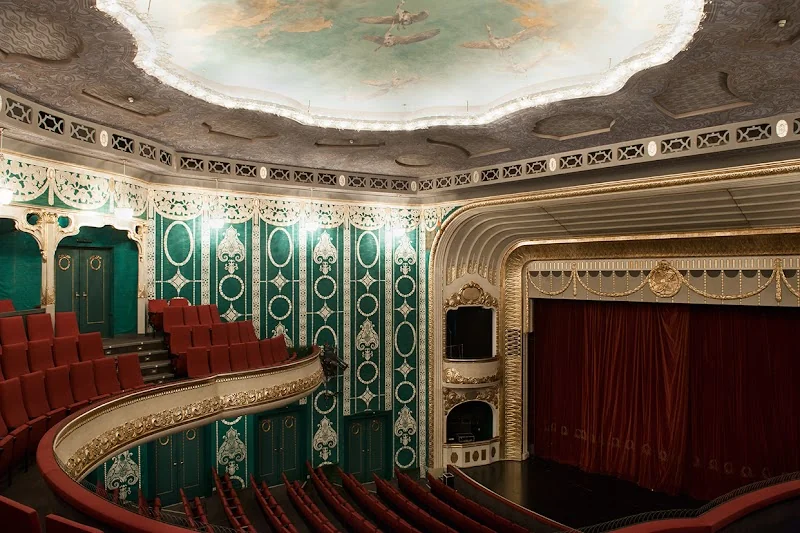
The official World Heritage site describes the Kurtheater as a small but exquisite theater that combines reformist and traditional features. This is particularly evident in the interior organization: The parquet rises steeply, improving the view of the stage, while proscenium boxes emphasize the historical character of the house. This contrast shapes the atmosphere. The Kurtheater was never intended to be a huge multipurpose hall but rather a high-quality performance venue for a discerning audience that wanted to experience culture as part of the spa. The architecture therefore speaks a clear language: It creates closeness, overview, and representation at the same time. The historical character is not used as decoration but is part of the functional logic of the building. Those who spend an evening at the Kurtheater today experience not only a performance but also the space itself as a stage. This is an essential part of the appeal of Bad Kissingen, as theater, spa tradition, and architectural history converge in one place. ([welterbe.badkissingen.de](https://welterbe.badkissingen.de/welterbe-bad-kissingen/sehenswuerdigkeiten/41608.Kurtheater.html))
In the larger cityscape, the Kurtheater also plays a fixed role. Bad Kissingen has been part of the UNESCO World Heritage site Great Spa Towns of Europe since 2021, and the theater is part of the cultural and architectural fabric that makes up the historic spa town. The city describes its cultural and leisure landscape as a connection of tradition and modernity, where historical buildings, festivals, and year-round events interact. In this context, the Kurtheater is a key location because it is not just a standalone building but remains embedded in the paths, squares, and sightlines of the spa district. Together with the arcade building, spa gardens, Wandelhalle, and Regentenbau, it forms a cultural-historical connection that visitors can immediately perceive while strolling through the city center. Precisely because the theater is somewhat set back yet still central, it feels like an organic part of the spa ensemble. This combination of scale, location, and history makes the Kurtheater as exciting for architecture enthusiasts as it is for culture lovers. ([badkissingen.de](https://www.badkissingen.de/kultur/index.html))
Program, Theater Ring, and Guest Performances at the Kurtheater Bad Kissingen
Those looking for the Kurtheater Bad Kissingen program will quickly come across the Theater Ring, which has been a fixed part of the city's cultural life since 1985. The city of Bad Kissingen describes it as a stage for a colorful mix of comedies, ballets, operettas, and dramas. The season starts annually in September and ends in May of the following year. This creates a cultural calendar that keeps the Kurtheater active not just at specific times but over many months. The Theater Ring was initiated by Mayor Georg Straus together with Dieter Scherner and Gerhild Ahnert to put together a more demanding program of ballet performances, opera evenings, and spoken theater alongside the general entertainment offerings of the spa town. This program logic is still visible today: The Kurtheater remains a place for guest performances, artistic diversity, and carefully curated productions. Therefore, those who visit the house usually do not experience a permanent ensemble stage but a selection of high-quality guest productions that are specifically brought into the historic hall. ([badkissingen.de](https://www.badkissingen.de/kultur/theaterring/46600.Was-ist-der-Theaterring-.html))
The current cultural offerings of the city show how broad the spectrum around the Kurtheater is. On the official pages, there are concerts, theater, cabaret, and other cultural formats; the city explicitly emphasizes that Bad Kissingen offers a rich cultural program year-round beyond the Kissinger Summer. This is particularly important for the Kurtheater because it functions not only as a historical landmark but also as a lively performance venue. The Theater Ring also directly refers to its current program brochure and its event calendar. There, one can find the individual productions of the season and information for subscriptions and single tickets. For visitors, this means: The Kurtheater is not a museum but an active house that reflects the cultural present of the city. The combination of classical forms and modern guest productions ensures that the house remains interesting for different target groups. Families, cultural travelers, theater enthusiasts, and festival guests find the same place here but very different experiences. ([badkissingen.de](https://www.badkissingen.de/kultur/index.html))
The role of the Kurtheater is also particularly visible in the context of the Kissinger Summer. Several official event entries list the Kurtheater as a venue for concerts, chanson evenings, ballet, dance, and thematic formats. Thus, the house is important not only for the Theater Ring but also for the city's international festival profile. Bad Kissingen connects classical music with performing arts and continually expands the spectrum with unusual formats. The cultural calendar of the house shows that not only operettas or plays take place here but also festival projects, chamber music, concert evenings, and special programs. This diversity is a central SEO aspect because many search queries arise not only for Kurtheater but also for programs, events, activities, and ticket options. The Kurtheater responds to these expectations with a clear, high-quality, and seasonally maintained schedule. Therefore, those searching for Kurtheater Bad Kissingen program or Kurtheater Bad Kissingen today are essentially looking for a house that consciously positions itself between tradition and vibrant present. ([badkissingen.de](https://www.badkissingen.de/kultur/veranstaltungskalender?ev%5Bid%5D=127031&utm_source=openai))
Tickets, Advance Sales, and Box Office for the Kurtheater
For many visitors, the ticket question is the most important practical issue. The city of Bad Kissingen has clearly regulated sales channels for this. Single tickets can be booked through the Theater Ring's website, by phone at +49 (0) 971 8048 444, or at the Tourist Information Bad Kissingen in the arcade building in the spa gardens. Additionally, the box office at the Kurtheater is available, approximately one hour before the event begins. This is a significant advantage for spontaneous guests, as they can attend a performance without long-term planning. The official Theater Ring also points out that there are both subscriptions and single tickets available. This means the program is interesting not only for regular guests but also for those who want to flexibly choose individual evenings. This combination of subscription structure and single sales makes the house attractive for different usage profiles. Those who regularly go to the theater benefit from fixed seats and series offers; those who come occasionally use the single ticket sales. ([badkissingen.de](https://www.badkissingen.de/kultur/theaterring/46599.Preise-Aktionen-und-Ermaessigungen.html))
Even in the pricing and discount models, it is evident that the Kurtheater relies on clear service pathways. The official site lists several categories for the Theater Ring and explains that students, apprentices, and university students can receive discounted tickets directly at the box office. Additionally, there is a Flexi-Theater package that allows multiple pieces to be combined with a price advantage. This structure is particularly relevant for culture-interested visitors who want to see several productions of the same season. Therefore, those searching for Kurtheater Bad Kissingen tickets or Kurtheater Bad Kissingen program are often looking for an uncomplicated way to plan culture on-site. The official information makes exactly that possible: fixed sales points, phone consultation, online booking, and a box office for last-minute decisions. This is modern and at the same time fitting for a historic house, as it combines the traditional theater experience with contemporary accessibility. ([badkissingen.de](https://www.badkissingen.de/kultur/theaterring/46599.Preise-Aktionen-und-Ermaessigungen.html))
For SEO-relevant questions regarding tickets, it is also interesting that the Kurtheater is often used as a venue within larger series. This means that ticket information may vary depending on the format. The Theater Ring forms the most important structure for the regular season, while the Kissinger Summer and individual special events may have their own ticket pathways. Visitors should therefore always pay attention to the respective organizer and the exact booking location. The official city website neatly links this information through the event calendar. This is crucial for user-friendliness, as it quickly becomes clear whether tickets are obtained through the Theater Ring, through festival sales, or through the respective organizer. For the search engine-relevant questions regarding tickets, advance sales, box office, and discounts, the Kurtheater is well positioned. It has a clear, organized sales system that caters to both regular guests and first-time visitors. ([badkissingen.de](https://www.badkissingen.de/kultur/theaterring/46599.Preise-Aktionen-und-Ermaessigungen.html))
Seating Plan, Parquet, Balcony, and Boxes in the Historic Hall
The seating plan of the Kurtheater Bad Kissingen first draws attention to its compact, classic structure. The hall is divided into parquet, balcony, and boxes, which is typical for historic theater buildings and gives the space its elegant structure. The official seating plan of the Kissinger Summer also shows that box seats in the balcony can be released if necessary. This mixture of fixed and flexibly usable areas is important for seating planning as it allows for different sightlines and seating situations. The historical architecture is not only beautiful to look at but also functional: The steeply rising parquet improves sightlines and enhances proximity to the stage. This is particularly relevant for drama and musical theater, where facial expressions, gestures, and stage space play a significant role. Those searching for the seating plan Kurtheater Bad Kissingen usually want to know not only where the seat is located but also what perspective the seat offers. This question is answered very clearly by the room structure of the house: front for proximity, above for overview, and side for the historical box atmosphere. ([kissingersommer.de](https://www.kissingersommer.de/media/www.kissingersommer.de/org/med_20862/134986_kurtheater_saalplan_2024.pdf))
The capacity of the house is around 538 seats. For a theater of this type, this is a deliberately manageable size. It ensures that the space does not feel anonymous but creates personal closeness. This is one of the reasons why the Kurtheater works so well for guest performances: It is large enough for a diverse audience but small enough to maintain theatrical tension. The division into parquet, balcony, and boxes supports this effect. Additionally, the categories in the seating plan provide orientation for price and sight quality. Those who desire a particularly good overall view often choose the elevated areas; those who prefer proximity to the stage remain in the parquet. The historical form language of the house reinforces this impression, as the theater does not appear as a functional event space but as a deliberately staged cultural space. This is precisely why search terms like seating plan, best seats, boxes, and balcony regularly appear. Visitors want to plan the experience, and the Kurtheater offers the right foundation with its classic setup. ([bad-kissingen-news.de](https://www.bad-kissingen-news.de/locations/kurtheater-ChIJT6kgkyfjokcR23DAl7BEG4I?utm_source=openai))
Details about the seating plan are also important for practical orientation. The official plan lists nearby parking options such as P8 at a distance of 50 meters as well as additional parking spaces at 500 and 900 meters. This shows that the location at Theaterplatz is designed for visitor comfort. Especially during sold-out or heavily attended performances, the combination of clear hall structure and understandable infrastructure is an advantage. The choice of seats becomes planable, and visitors can already form a realistic picture before purchasing. For a historic theater, this is particularly valuable because the hall architecture is part of the cultural experience. The Kurtheater remains authentic: no oversized mass rows, no anonymous hall, but a classic auditorium with clear order. This authenticity is a central reason why the house appears so frequently in search queries regarding seating plan, seats, and capacity. ([kissingersommer.de](https://www.kissingersommer.de/media/www.kissingersommer.de/org/med_20862/134986_kurtheater_saalplan_2024.pdf))
Directions and Parking at Theaterplatz in Bad Kissingen
When traveling to the Kurtheater Bad Kissingen, the official city framework is initially helpful. Bad Kissingen describes its city center as traffic-calmed through a parking concept, with various fee zones and an improved parking situation. For the Kurtheater, it is important that there are parking garages at the Kurtheater and in the center, which are operated by the Bad Kissingen municipal utilities and are subject to fees. The Kurtheater is also located at Theaterplatz 1, an area that is easily accessible on foot from the city center. Visitors arriving by car benefit from a clear municipal parking logic rather than an unclear access directly in front of the house. This fits the character of the spa district, which is deliberately organized to protect the historic surroundings. Those searching for parking at Kurtheater Bad Kissingen want exactly this combination of proximity, order, and easy orientation. The official information provides it. ([badkissingen.de](https://www.badkissingen.de/information/parken/36452.Parken-in-Bad-Kissingen.html?utm_source=openai))
For practical planning, the official travel information from the city is also helpful. Bad Kissingen is accessible via the A7, A71, and A70 motorways; it takes about 10 minutes from the respective exits to reach the center. By train, one can reach Bad Kissingen from the ICE train stations in Würzburg and Fulda via Schweinfurt or Gemünden, and from Fulda, there is even an express line that runs directly on certain days. Additionally, the city mentions the airfield in the Au and the proximity to the international airports in Frankfurt and Nuremberg. This is relevant for the Kurtheater because many guests come from a larger catchment area, for example, for festivals or guest performances. Therefore, those considering travel and parking together can organize their visit well: arrival in the spa area, a short walk to the center, and then an evening in the historic hall. This combination makes the location attractive. ([welterbe.badkissingen.de](https://welterbe.badkissingen.de/historische-kur-erleben/anreise-und-parken))
The official seating plan complements this information with specific parking details for the Kurtheater itself. There, parking spaces are indicated with distances so that visitors can realistically assess the routes. This is particularly useful for people who want to arrive on time or pay attention to short walking distances. The city description also points out that there are various fee zones and low-cost or free parking options in the surrounding area. For the Kurtheater, this means: even if one does not park directly in front of the entrance, accessibility is good. The combination of parking garage, city center parking, and walkable location makes the house practical for everyday use and suitable for festivals alike. This practical accessibility is one of the reasons why search queries about parking and directions are so important. Visitors want not only a ticket but a planable evening. Bad Kissingen provides an infrastructure that connects historical ambiance with modern accessibility. ([kissingersommer.de](https://www.kissingersommer.de/media/www.kissingersommer.de/org/med_20862/134986_kurtheater_saalplan_2024.pdf))
The Kurtheater in the Cultural Overall Picture of Bad Kissingen
The Kurtheater should not be understood as a standalone phenomenon in Bad Kissingen but as part of a dense cultural network. The city describes itself as a place where music, theater, history, and nature experiences are closely intertwined. The Kissinger Summer, the Theater Ring, historical tours, and the World Heritage sites together shape a cultural profile that extends beyond the size of the city. The Kurtheater is a central symbol in this because it connects the historical spa tradition with the vibrant present. Visitors strolling through the spa gardens, the arcade building, or the Regentenbau encounter the theater as part of this overall staging. The house is thus not only a performance venue but also a place that shapes the identity of the city. Particularly the fact that different formats regularly take place here enhances this role. The Kurtheater is not a static monument but a working cultural space that not only preserves history but continuously writes it anew. ([badkissingen.de](https://www.badkissingen.de/kultur/index.html))
The connection between theater and spa tradition is particularly strong in Bad Kissingen because the theater was originally designed for the needs of a spa society. It served not only entertainment but also the representative cultural supply of an international audience. This origin can still be felt in the spatial experience. When the official World Heritage portal describes the Kurtheater as a stage for guest performances, it refers to a tradition that dates back to its inception. For today's visitors, this is interesting because several layers overlap here: architectural history, cultural history, festival operations, and tourist attractiveness. This is precisely why the Kurtheater has a high recognition value in search engines. Those searching for Kurtheater Bad Kissingen program, tickets, seating plan, history, or parking are ultimately looking for a place where culture is not abstract but spatially tangible. The theater offers this experience in a compressed form. ([welterbe.badkissingen.de](https://welterbe.badkissingen.de/welterbe-bad-kissingen/sehenswuerdigkeiten/41608.Kurtheater.html))
The surrounding historic buildings also contribute to this overall impression. The Regentenbau with its halls, the Wandelhalle, and the arcade building together with the Kurtheater form an ensemble that visitors can discover in close proximity. Official tours through the Regentenbau, arcade building, and Wandelhalle show how closely these places are connected. Those who take such paths experience the Kurtheater not in isolation but as part of an architectural route that ranges from the spa gardens to the halls. This makes the location particularly valuable for tourism because culture, city history, and quality of stay overlap. For content that aims to connect SEO and user intent, this is an ideal starting point: The Kurtheater is a cultural place with substance, history, and practical relevance. It stands for the Bad Kissingen mix of elegance, spa tradition, and a lively program. This is precisely why it remains a strong destination for visitors seeking a special theater experience in Franconia. ([badkissingen.de](https://www.badkissingen.de/kultur/veranstaltungskalender?ev%5Bid%5D=138237))
Sources:
Mehr anzeigenWeniger anzeigen
Kurtheater Bad Kissingen | Program & Tickets
The Kurtheater Bad Kissingen is much more than just an event venue. It is a historic cultural house, an architectural monument, and a central part of the Bad Kissingen spa district. Those who visit the building at Theaterplatz 1 experience a stage that has been used for guest performances, concerts, plays, ballet, and musical formats for over a century. The house is located in close proximity to the most important facilities of the UNESCO World Heritage Great Spa Towns of Europe, making it part of the ensemble that makes Bad Kissingen internationally visible as a spa and cultural city. Its impact arises not only from its location but also from its history: The Kurtheater was opened in 1905 and replaced an older building from 1858. As a work of Max Littmann, it combines historical ambition with functional clarity and has preserved the special closeness between stage and audience to this day. Those looking for program, tickets, seating plan, or directions will find here a house with a clear structure, long traditions, and a vibrant cultural calendar. ([welterbe.badkissingen.de](https://welterbe.badkissingen.de/welterbe-bad-kissingen/sehenswuerdigkeiten/41608.Kurtheater.html))
History, Architecture, and the Special Character of the Kurtheater
The history of the Kurtheater is closely linked to the expansion of the Bad Kissingen spa facilities at the beginning of the 20th century. The new building was constructed from 1904 to 1905 according to plans by Prof. Max Littmann, one of the most influential architects of the city. In the official city histories, the Kurtheater is mentioned as one of those central buildings that were created during this phase: Alongside the Kurtheater, the Wandel- and Brunnenhalle and the Regentenbau were also designed by Littmann. Thus, the theater was not planned in isolation but as part of a comprehensive urban and cultural redefinition of the spa district. The house bears the signature of the baroque-style Jugendstil and stands on a site where a predecessor building had already been erected in 1858. Therefore, the current form did not emerge from nothing but as a conscious renewal of an existing theater location. This continuity makes the Kurtheater interesting to this day: It stands for renewal without rupture, for architectural elegance without overload, and for a theater culture that has preserved its historical form into the present. ([welterbe.badkissingen.de](https://welterbe.badkissingen.de/welterbe-bad-kissingen/sehenswuerdigkeiten/41608.Kurtheater.html))
The official World Heritage site describes the Kurtheater as a small but exquisite theater that combines reformist and traditional features. This is particularly evident in the interior organization: The parquet rises steeply, improving the view of the stage, while proscenium boxes emphasize the historical character of the house. This contrast shapes the atmosphere. The Kurtheater was never intended to be a huge multipurpose hall but rather a high-quality performance venue for a discerning audience that wanted to experience culture as part of the spa. The architecture therefore speaks a clear language: It creates closeness, overview, and representation at the same time. The historical character is not used as decoration but is part of the functional logic of the building. Those who spend an evening at the Kurtheater today experience not only a performance but also the space itself as a stage. This is an essential part of the appeal of Bad Kissingen, as theater, spa tradition, and architectural history converge in one place. ([welterbe.badkissingen.de](https://welterbe.badkissingen.de/welterbe-bad-kissingen/sehenswuerdigkeiten/41608.Kurtheater.html))
In the larger cityscape, the Kurtheater also plays a fixed role. Bad Kissingen has been part of the UNESCO World Heritage site Great Spa Towns of Europe since 2021, and the theater is part of the cultural and architectural fabric that makes up the historic spa town. The city describes its cultural and leisure landscape as a connection of tradition and modernity, where historical buildings, festivals, and year-round events interact. In this context, the Kurtheater is a key location because it is not just a standalone building but remains embedded in the paths, squares, and sightlines of the spa district. Together with the arcade building, spa gardens, Wandelhalle, and Regentenbau, it forms a cultural-historical connection that visitors can immediately perceive while strolling through the city center. Precisely because the theater is somewhat set back yet still central, it feels like an organic part of the spa ensemble. This combination of scale, location, and history makes the Kurtheater as exciting for architecture enthusiasts as it is for culture lovers. ([badkissingen.de](https://www.badkissingen.de/kultur/index.html))
Program, Theater Ring, and Guest Performances at the Kurtheater Bad Kissingen
Those looking for the Kurtheater Bad Kissingen program will quickly come across the Theater Ring, which has been a fixed part of the city's cultural life since 1985. The city of Bad Kissingen describes it as a stage for a colorful mix of comedies, ballets, operettas, and dramas. The season starts annually in September and ends in May of the following year. This creates a cultural calendar that keeps the Kurtheater active not just at specific times but over many months. The Theater Ring was initiated by Mayor Georg Straus together with Dieter Scherner and Gerhild Ahnert to put together a more demanding program of ballet performances, opera evenings, and spoken theater alongside the general entertainment offerings of the spa town. This program logic is still visible today: The Kurtheater remains a place for guest performances, artistic diversity, and carefully curated productions. Therefore, those who visit the house usually do not experience a permanent ensemble stage but a selection of high-quality guest productions that are specifically brought into the historic hall. ([badkissingen.de](https://www.badkissingen.de/kultur/theaterring/46600.Was-ist-der-Theaterring-.html))
The current cultural offerings of the city show how broad the spectrum around the Kurtheater is. On the official pages, there are concerts, theater, cabaret, and other cultural formats; the city explicitly emphasizes that Bad Kissingen offers a rich cultural program year-round beyond the Kissinger Summer. This is particularly important for the Kurtheater because it functions not only as a historical landmark but also as a lively performance venue. The Theater Ring also directly refers to its current program brochure and its event calendar. There, one can find the individual productions of the season and information for subscriptions and single tickets. For visitors, this means: The Kurtheater is not a museum but an active house that reflects the cultural present of the city. The combination of classical forms and modern guest productions ensures that the house remains interesting for different target groups. Families, cultural travelers, theater enthusiasts, and festival guests find the same place here but very different experiences. ([badkissingen.de](https://www.badkissingen.de/kultur/index.html))
The role of the Kurtheater is also particularly visible in the context of the Kissinger Summer. Several official event entries list the Kurtheater as a venue for concerts, chanson evenings, ballet, dance, and thematic formats. Thus, the house is important not only for the Theater Ring but also for the city's international festival profile. Bad Kissingen connects classical music with performing arts and continually expands the spectrum with unusual formats. The cultural calendar of the house shows that not only operettas or plays take place here but also festival projects, chamber music, concert evenings, and special programs. This diversity is a central SEO aspect because many search queries arise not only for Kurtheater but also for programs, events, activities, and ticket options. The Kurtheater responds to these expectations with a clear, high-quality, and seasonally maintained schedule. Therefore, those searching for Kurtheater Bad Kissingen program or Kurtheater Bad Kissingen today are essentially looking for a house that consciously positions itself between tradition and vibrant present. ([badkissingen.de](https://www.badkissingen.de/kultur/veranstaltungskalender?ev%5Bid%5D=127031&utm_source=openai))
Tickets, Advance Sales, and Box Office for the Kurtheater
For many visitors, the ticket question is the most important practical issue. The city of Bad Kissingen has clearly regulated sales channels for this. Single tickets can be booked through the Theater Ring's website, by phone at +49 (0) 971 8048 444, or at the Tourist Information Bad Kissingen in the arcade building in the spa gardens. Additionally, the box office at the Kurtheater is available, approximately one hour before the event begins. This is a significant advantage for spontaneous guests, as they can attend a performance without long-term planning. The official Theater Ring also points out that there are both subscriptions and single tickets available. This means the program is interesting not only for regular guests but also for those who want to flexibly choose individual evenings. This combination of subscription structure and single sales makes the house attractive for different usage profiles. Those who regularly go to the theater benefit from fixed seats and series offers; those who come occasionally use the single ticket sales. ([badkissingen.de](https://www.badkissingen.de/kultur/theaterring/46599.Preise-Aktionen-und-Ermaessigungen.html))
Even in the pricing and discount models, it is evident that the Kurtheater relies on clear service pathways. The official site lists several categories for the Theater Ring and explains that students, apprentices, and university students can receive discounted tickets directly at the box office. Additionally, there is a Flexi-Theater package that allows multiple pieces to be combined with a price advantage. This structure is particularly relevant for culture-interested visitors who want to see several productions of the same season. Therefore, those searching for Kurtheater Bad Kissingen tickets or Kurtheater Bad Kissingen program are often looking for an uncomplicated way to plan culture on-site. The official information makes exactly that possible: fixed sales points, phone consultation, online booking, and a box office for last-minute decisions. This is modern and at the same time fitting for a historic house, as it combines the traditional theater experience with contemporary accessibility. ([badkissingen.de](https://www.badkissingen.de/kultur/theaterring/46599.Preise-Aktionen-und-Ermaessigungen.html))
For SEO-relevant questions regarding tickets, it is also interesting that the Kurtheater is often used as a venue within larger series. This means that ticket information may vary depending on the format. The Theater Ring forms the most important structure for the regular season, while the Kissinger Summer and individual special events may have their own ticket pathways. Visitors should therefore always pay attention to the respective organizer and the exact booking location. The official city website neatly links this information through the event calendar. This is crucial for user-friendliness, as it quickly becomes clear whether tickets are obtained through the Theater Ring, through festival sales, or through the respective organizer. For the search engine-relevant questions regarding tickets, advance sales, box office, and discounts, the Kurtheater is well positioned. It has a clear, organized sales system that caters to both regular guests and first-time visitors. ([badkissingen.de](https://www.badkissingen.de/kultur/theaterring/46599.Preise-Aktionen-und-Ermaessigungen.html))
Seating Plan, Parquet, Balcony, and Boxes in the Historic Hall
The seating plan of the Kurtheater Bad Kissingen first draws attention to its compact, classic structure. The hall is divided into parquet, balcony, and boxes, which is typical for historic theater buildings and gives the space its elegant structure. The official seating plan of the Kissinger Summer also shows that box seats in the balcony can be released if necessary. This mixture of fixed and flexibly usable areas is important for seating planning as it allows for different sightlines and seating situations. The historical architecture is not only beautiful to look at but also functional: The steeply rising parquet improves sightlines and enhances proximity to the stage. This is particularly relevant for drama and musical theater, where facial expressions, gestures, and stage space play a significant role. Those searching for the seating plan Kurtheater Bad Kissingen usually want to know not only where the seat is located but also what perspective the seat offers. This question is answered very clearly by the room structure of the house: front for proximity, above for overview, and side for the historical box atmosphere. ([kissingersommer.de](https://www.kissingersommer.de/media/www.kissingersommer.de/org/med_20862/134986_kurtheater_saalplan_2024.pdf))
The capacity of the house is around 538 seats. For a theater of this type, this is a deliberately manageable size. It ensures that the space does not feel anonymous but creates personal closeness. This is one of the reasons why the Kurtheater works so well for guest performances: It is large enough for a diverse audience but small enough to maintain theatrical tension. The division into parquet, balcony, and boxes supports this effect. Additionally, the categories in the seating plan provide orientation for price and sight quality. Those who desire a particularly good overall view often choose the elevated areas; those who prefer proximity to the stage remain in the parquet. The historical form language of the house reinforces this impression, as the theater does not appear as a functional event space but as a deliberately staged cultural space. This is precisely why search terms like seating plan, best seats, boxes, and balcony regularly appear. Visitors want to plan the experience, and the Kurtheater offers the right foundation with its classic setup. ([bad-kissingen-news.de](https://www.bad-kissingen-news.de/locations/kurtheater-ChIJT6kgkyfjokcR23DAl7BEG4I?utm_source=openai))
Details about the seating plan are also important for practical orientation. The official plan lists nearby parking options such as P8 at a distance of 50 meters as well as additional parking spaces at 500 and 900 meters. This shows that the location at Theaterplatz is designed for visitor comfort. Especially during sold-out or heavily attended performances, the combination of clear hall structure and understandable infrastructure is an advantage. The choice of seats becomes planable, and visitors can already form a realistic picture before purchasing. For a historic theater, this is particularly valuable because the hall architecture is part of the cultural experience. The Kurtheater remains authentic: no oversized mass rows, no anonymous hall, but a classic auditorium with clear order. This authenticity is a central reason why the house appears so frequently in search queries regarding seating plan, seats, and capacity. ([kissingersommer.de](https://www.kissingersommer.de/media/www.kissingersommer.de/org/med_20862/134986_kurtheater_saalplan_2024.pdf))
Directions and Parking at Theaterplatz in Bad Kissingen
When traveling to the Kurtheater Bad Kissingen, the official city framework is initially helpful. Bad Kissingen describes its city center as traffic-calmed through a parking concept, with various fee zones and an improved parking situation. For the Kurtheater, it is important that there are parking garages at the Kurtheater and in the center, which are operated by the Bad Kissingen municipal utilities and are subject to fees. The Kurtheater is also located at Theaterplatz 1, an area that is easily accessible on foot from the city center. Visitors arriving by car benefit from a clear municipal parking logic rather than an unclear access directly in front of the house. This fits the character of the spa district, which is deliberately organized to protect the historic surroundings. Those searching for parking at Kurtheater Bad Kissingen want exactly this combination of proximity, order, and easy orientation. The official information provides it. ([badkissingen.de](https://www.badkissingen.de/information/parken/36452.Parken-in-Bad-Kissingen.html?utm_source=openai))
For practical planning, the official travel information from the city is also helpful. Bad Kissingen is accessible via the A7, A71, and A70 motorways; it takes about 10 minutes from the respective exits to reach the center. By train, one can reach Bad Kissingen from the ICE train stations in Würzburg and Fulda via Schweinfurt or Gemünden, and from Fulda, there is even an express line that runs directly on certain days. Additionally, the city mentions the airfield in the Au and the proximity to the international airports in Frankfurt and Nuremberg. This is relevant for the Kurtheater because many guests come from a larger catchment area, for example, for festivals or guest performances. Therefore, those considering travel and parking together can organize their visit well: arrival in the spa area, a short walk to the center, and then an evening in the historic hall. This combination makes the location attractive. ([welterbe.badkissingen.de](https://welterbe.badkissingen.de/historische-kur-erleben/anreise-und-parken))
The official seating plan complements this information with specific parking details for the Kurtheater itself. There, parking spaces are indicated with distances so that visitors can realistically assess the routes. This is particularly useful for people who want to arrive on time or pay attention to short walking distances. The city description also points out that there are various fee zones and low-cost or free parking options in the surrounding area. For the Kurtheater, this means: even if one does not park directly in front of the entrance, accessibility is good. The combination of parking garage, city center parking, and walkable location makes the house practical for everyday use and suitable for festivals alike. This practical accessibility is one of the reasons why search queries about parking and directions are so important. Visitors want not only a ticket but a planable evening. Bad Kissingen provides an infrastructure that connects historical ambiance with modern accessibility. ([kissingersommer.de](https://www.kissingersommer.de/media/www.kissingersommer.de/org/med_20862/134986_kurtheater_saalplan_2024.pdf))
The Kurtheater in the Cultural Overall Picture of Bad Kissingen
The Kurtheater should not be understood as a standalone phenomenon in Bad Kissingen but as part of a dense cultural network. The city describes itself as a place where music, theater, history, and nature experiences are closely intertwined. The Kissinger Summer, the Theater Ring, historical tours, and the World Heritage sites together shape a cultural profile that extends beyond the size of the city. The Kurtheater is a central symbol in this because it connects the historical spa tradition with the vibrant present. Visitors strolling through the spa gardens, the arcade building, or the Regentenbau encounter the theater as part of this overall staging. The house is thus not only a performance venue but also a place that shapes the identity of the city. Particularly the fact that different formats regularly take place here enhances this role. The Kurtheater is not a static monument but a working cultural space that not only preserves history but continuously writes it anew. ([badkissingen.de](https://www.badkissingen.de/kultur/index.html))
The connection between theater and spa tradition is particularly strong in Bad Kissingen because the theater was originally designed for the needs of a spa society. It served not only entertainment but also the representative cultural supply of an international audience. This origin can still be felt in the spatial experience. When the official World Heritage portal describes the Kurtheater as a stage for guest performances, it refers to a tradition that dates back to its inception. For today's visitors, this is interesting because several layers overlap here: architectural history, cultural history, festival operations, and tourist attractiveness. This is precisely why the Kurtheater has a high recognition value in search engines. Those searching for Kurtheater Bad Kissingen program, tickets, seating plan, history, or parking are ultimately looking for a place where culture is not abstract but spatially tangible. The theater offers this experience in a compressed form. ([welterbe.badkissingen.de](https://welterbe.badkissingen.de/welterbe-bad-kissingen/sehenswuerdigkeiten/41608.Kurtheater.html))
The surrounding historic buildings also contribute to this overall impression. The Regentenbau with its halls, the Wandelhalle, and the arcade building together with the Kurtheater form an ensemble that visitors can discover in close proximity. Official tours through the Regentenbau, arcade building, and Wandelhalle show how closely these places are connected. Those who take such paths experience the Kurtheater not in isolation but as part of an architectural route that ranges from the spa gardens to the halls. This makes the location particularly valuable for tourism because culture, city history, and quality of stay overlap. For content that aims to connect SEO and user intent, this is an ideal starting point: The Kurtheater is a cultural place with substance, history, and practical relevance. It stands for the Bad Kissingen mix of elegance, spa tradition, and a lively program. This is precisely why it remains a strong destination for visitors seeking a special theater experience in Franconia. ([badkissingen.de](https://www.badkissingen.de/kultur/veranstaltungskalender?ev%5Bid%5D=138237))
Sources:
Kurtheater Bad Kissingen | Program & Tickets
The Kurtheater Bad Kissingen is much more than just an event venue. It is a historic cultural house, an architectural monument, and a central part of the Bad Kissingen spa district. Those who visit the building at Theaterplatz 1 experience a stage that has been used for guest performances, concerts, plays, ballet, and musical formats for over a century. The house is located in close proximity to the most important facilities of the UNESCO World Heritage Great Spa Towns of Europe, making it part of the ensemble that makes Bad Kissingen internationally visible as a spa and cultural city. Its impact arises not only from its location but also from its history: The Kurtheater was opened in 1905 and replaced an older building from 1858. As a work of Max Littmann, it combines historical ambition with functional clarity and has preserved the special closeness between stage and audience to this day. Those looking for program, tickets, seating plan, or directions will find here a house with a clear structure, long traditions, and a vibrant cultural calendar. ([welterbe.badkissingen.de](https://welterbe.badkissingen.de/welterbe-bad-kissingen/sehenswuerdigkeiten/41608.Kurtheater.html))
History, Architecture, and the Special Character of the Kurtheater
The history of the Kurtheater is closely linked to the expansion of the Bad Kissingen spa facilities at the beginning of the 20th century. The new building was constructed from 1904 to 1905 according to plans by Prof. Max Littmann, one of the most influential architects of the city. In the official city histories, the Kurtheater is mentioned as one of those central buildings that were created during this phase: Alongside the Kurtheater, the Wandel- and Brunnenhalle and the Regentenbau were also designed by Littmann. Thus, the theater was not planned in isolation but as part of a comprehensive urban and cultural redefinition of the spa district. The house bears the signature of the baroque-style Jugendstil and stands on a site where a predecessor building had already been erected in 1858. Therefore, the current form did not emerge from nothing but as a conscious renewal of an existing theater location. This continuity makes the Kurtheater interesting to this day: It stands for renewal without rupture, for architectural elegance without overload, and for a theater culture that has preserved its historical form into the present. ([welterbe.badkissingen.de](https://welterbe.badkissingen.de/welterbe-bad-kissingen/sehenswuerdigkeiten/41608.Kurtheater.html))
The official World Heritage site describes the Kurtheater as a small but exquisite theater that combines reformist and traditional features. This is particularly evident in the interior organization: The parquet rises steeply, improving the view of the stage, while proscenium boxes emphasize the historical character of the house. This contrast shapes the atmosphere. The Kurtheater was never intended to be a huge multipurpose hall but rather a high-quality performance venue for a discerning audience that wanted to experience culture as part of the spa. The architecture therefore speaks a clear language: It creates closeness, overview, and representation at the same time. The historical character is not used as decoration but is part of the functional logic of the building. Those who spend an evening at the Kurtheater today experience not only a performance but also the space itself as a stage. This is an essential part of the appeal of Bad Kissingen, as theater, spa tradition, and architectural history converge in one place. ([welterbe.badkissingen.de](https://welterbe.badkissingen.de/welterbe-bad-kissingen/sehenswuerdigkeiten/41608.Kurtheater.html))
In the larger cityscape, the Kurtheater also plays a fixed role. Bad Kissingen has been part of the UNESCO World Heritage site Great Spa Towns of Europe since 2021, and the theater is part of the cultural and architectural fabric that makes up the historic spa town. The city describes its cultural and leisure landscape as a connection of tradition and modernity, where historical buildings, festivals, and year-round events interact. In this context, the Kurtheater is a key location because it is not just a standalone building but remains embedded in the paths, squares, and sightlines of the spa district. Together with the arcade building, spa gardens, Wandelhalle, and Regentenbau, it forms a cultural-historical connection that visitors can immediately perceive while strolling through the city center. Precisely because the theater is somewhat set back yet still central, it feels like an organic part of the spa ensemble. This combination of scale, location, and history makes the Kurtheater as exciting for architecture enthusiasts as it is for culture lovers. ([badkissingen.de](https://www.badkissingen.de/kultur/index.html))
Program, Theater Ring, and Guest Performances at the Kurtheater Bad Kissingen
Those looking for the Kurtheater Bad Kissingen program will quickly come across the Theater Ring, which has been a fixed part of the city's cultural life since 1985. The city of Bad Kissingen describes it as a stage for a colorful mix of comedies, ballets, operettas, and dramas. The season starts annually in September and ends in May of the following year. This creates a cultural calendar that keeps the Kurtheater active not just at specific times but over many months. The Theater Ring was initiated by Mayor Georg Straus together with Dieter Scherner and Gerhild Ahnert to put together a more demanding program of ballet performances, opera evenings, and spoken theater alongside the general entertainment offerings of the spa town. This program logic is still visible today: The Kurtheater remains a place for guest performances, artistic diversity, and carefully curated productions. Therefore, those who visit the house usually do not experience a permanent ensemble stage but a selection of high-quality guest productions that are specifically brought into the historic hall. ([badkissingen.de](https://www.badkissingen.de/kultur/theaterring/46600.Was-ist-der-Theaterring-.html))
The current cultural offerings of the city show how broad the spectrum around the Kurtheater is. On the official pages, there are concerts, theater, cabaret, and other cultural formats; the city explicitly emphasizes that Bad Kissingen offers a rich cultural program year-round beyond the Kissinger Summer. This is particularly important for the Kurtheater because it functions not only as a historical landmark but also as a lively performance venue. The Theater Ring also directly refers to its current program brochure and its event calendar. There, one can find the individual productions of the season and information for subscriptions and single tickets. For visitors, this means: The Kurtheater is not a museum but an active house that reflects the cultural present of the city. The combination of classical forms and modern guest productions ensures that the house remains interesting for different target groups. Families, cultural travelers, theater enthusiasts, and festival guests find the same place here but very different experiences. ([badkissingen.de](https://www.badkissingen.de/kultur/index.html))
The role of the Kurtheater is also particularly visible in the context of the Kissinger Summer. Several official event entries list the Kurtheater as a venue for concerts, chanson evenings, ballet, dance, and thematic formats. Thus, the house is important not only for the Theater Ring but also for the city's international festival profile. Bad Kissingen connects classical music with performing arts and continually expands the spectrum with unusual formats. The cultural calendar of the house shows that not only operettas or plays take place here but also festival projects, chamber music, concert evenings, and special programs. This diversity is a central SEO aspect because many search queries arise not only for Kurtheater but also for programs, events, activities, and ticket options. The Kurtheater responds to these expectations with a clear, high-quality, and seasonally maintained schedule. Therefore, those searching for Kurtheater Bad Kissingen program or Kurtheater Bad Kissingen today are essentially looking for a house that consciously positions itself between tradition and vibrant present. ([badkissingen.de](https://www.badkissingen.de/kultur/veranstaltungskalender?ev%5Bid%5D=127031&utm_source=openai))
Tickets, Advance Sales, and Box Office for the Kurtheater
For many visitors, the ticket question is the most important practical issue. The city of Bad Kissingen has clearly regulated sales channels for this. Single tickets can be booked through the Theater Ring's website, by phone at +49 (0) 971 8048 444, or at the Tourist Information Bad Kissingen in the arcade building in the spa gardens. Additionally, the box office at the Kurtheater is available, approximately one hour before the event begins. This is a significant advantage for spontaneous guests, as they can attend a performance without long-term planning. The official Theater Ring also points out that there are both subscriptions and single tickets available. This means the program is interesting not only for regular guests but also for those who want to flexibly choose individual evenings. This combination of subscription structure and single sales makes the house attractive for different usage profiles. Those who regularly go to the theater benefit from fixed seats and series offers; those who come occasionally use the single ticket sales. ([badkissingen.de](https://www.badkissingen.de/kultur/theaterring/46599.Preise-Aktionen-und-Ermaessigungen.html))
Even in the pricing and discount models, it is evident that the Kurtheater relies on clear service pathways. The official site lists several categories for the Theater Ring and explains that students, apprentices, and university students can receive discounted tickets directly at the box office. Additionally, there is a Flexi-Theater package that allows multiple pieces to be combined with a price advantage. This structure is particularly relevant for culture-interested visitors who want to see several productions of the same season. Therefore, those searching for Kurtheater Bad Kissingen tickets or Kurtheater Bad Kissingen program are often looking for an uncomplicated way to plan culture on-site. The official information makes exactly that possible: fixed sales points, phone consultation, online booking, and a box office for last-minute decisions. This is modern and at the same time fitting for a historic house, as it combines the traditional theater experience with contemporary accessibility. ([badkissingen.de](https://www.badkissingen.de/kultur/theaterring/46599.Preise-Aktionen-und-Ermaessigungen.html))
For SEO-relevant questions regarding tickets, it is also interesting that the Kurtheater is often used as a venue within larger series. This means that ticket information may vary depending on the format. The Theater Ring forms the most important structure for the regular season, while the Kissinger Summer and individual special events may have their own ticket pathways. Visitors should therefore always pay attention to the respective organizer and the exact booking location. The official city website neatly links this information through the event calendar. This is crucial for user-friendliness, as it quickly becomes clear whether tickets are obtained through the Theater Ring, through festival sales, or through the respective organizer. For the search engine-relevant questions regarding tickets, advance sales, box office, and discounts, the Kurtheater is well positioned. It has a clear, organized sales system that caters to both regular guests and first-time visitors. ([badkissingen.de](https://www.badkissingen.de/kultur/theaterring/46599.Preise-Aktionen-und-Ermaessigungen.html))
Seating Plan, Parquet, Balcony, and Boxes in the Historic Hall
The seating plan of the Kurtheater Bad Kissingen first draws attention to its compact, classic structure. The hall is divided into parquet, balcony, and boxes, which is typical for historic theater buildings and gives the space its elegant structure. The official seating plan of the Kissinger Summer also shows that box seats in the balcony can be released if necessary. This mixture of fixed and flexibly usable areas is important for seating planning as it allows for different sightlines and seating situations. The historical architecture is not only beautiful to look at but also functional: The steeply rising parquet improves sightlines and enhances proximity to the stage. This is particularly relevant for drama and musical theater, where facial expressions, gestures, and stage space play a significant role. Those searching for the seating plan Kurtheater Bad Kissingen usually want to know not only where the seat is located but also what perspective the seat offers. This question is answered very clearly by the room structure of the house: front for proximity, above for overview, and side for the historical box atmosphere. ([kissingersommer.de](https://www.kissingersommer.de/media/www.kissingersommer.de/org/med_20862/134986_kurtheater_saalplan_2024.pdf))
The capacity of the house is around 538 seats. For a theater of this type, this is a deliberately manageable size. It ensures that the space does not feel anonymous but creates personal closeness. This is one of the reasons why the Kurtheater works so well for guest performances: It is large enough for a diverse audience but small enough to maintain theatrical tension. The division into parquet, balcony, and boxes supports this effect. Additionally, the categories in the seating plan provide orientation for price and sight quality. Those who desire a particularly good overall view often choose the elevated areas; those who prefer proximity to the stage remain in the parquet. The historical form language of the house reinforces this impression, as the theater does not appear as a functional event space but as a deliberately staged cultural space. This is precisely why search terms like seating plan, best seats, boxes, and balcony regularly appear. Visitors want to plan the experience, and the Kurtheater offers the right foundation with its classic setup. ([bad-kissingen-news.de](https://www.bad-kissingen-news.de/locations/kurtheater-ChIJT6kgkyfjokcR23DAl7BEG4I?utm_source=openai))
Details about the seating plan are also important for practical orientation. The official plan lists nearby parking options such as P8 at a distance of 50 meters as well as additional parking spaces at 500 and 900 meters. This shows that the location at Theaterplatz is designed for visitor comfort. Especially during sold-out or heavily attended performances, the combination of clear hall structure and understandable infrastructure is an advantage. The choice of seats becomes planable, and visitors can already form a realistic picture before purchasing. For a historic theater, this is particularly valuable because the hall architecture is part of the cultural experience. The Kurtheater remains authentic: no oversized mass rows, no anonymous hall, but a classic auditorium with clear order. This authenticity is a central reason why the house appears so frequently in search queries regarding seating plan, seats, and capacity. ([kissingersommer.de](https://www.kissingersommer.de/media/www.kissingersommer.de/org/med_20862/134986_kurtheater_saalplan_2024.pdf))
Directions and Parking at Theaterplatz in Bad Kissingen
When traveling to the Kurtheater Bad Kissingen, the official city framework is initially helpful. Bad Kissingen describes its city center as traffic-calmed through a parking concept, with various fee zones and an improved parking situation. For the Kurtheater, it is important that there are parking garages at the Kurtheater and in the center, which are operated by the Bad Kissingen municipal utilities and are subject to fees. The Kurtheater is also located at Theaterplatz 1, an area that is easily accessible on foot from the city center. Visitors arriving by car benefit from a clear municipal parking logic rather than an unclear access directly in front of the house. This fits the character of the spa district, which is deliberately organized to protect the historic surroundings. Those searching for parking at Kurtheater Bad Kissingen want exactly this combination of proximity, order, and easy orientation. The official information provides it. ([badkissingen.de](https://www.badkissingen.de/information/parken/36452.Parken-in-Bad-Kissingen.html?utm_source=openai))
For practical planning, the official travel information from the city is also helpful. Bad Kissingen is accessible via the A7, A71, and A70 motorways; it takes about 10 minutes from the respective exits to reach the center. By train, one can reach Bad Kissingen from the ICE train stations in Würzburg and Fulda via Schweinfurt or Gemünden, and from Fulda, there is even an express line that runs directly on certain days. Additionally, the city mentions the airfield in the Au and the proximity to the international airports in Frankfurt and Nuremberg. This is relevant for the Kurtheater because many guests come from a larger catchment area, for example, for festivals or guest performances. Therefore, those considering travel and parking together can organize their visit well: arrival in the spa area, a short walk to the center, and then an evening in the historic hall. This combination makes the location attractive. ([welterbe.badkissingen.de](https://welterbe.badkissingen.de/historische-kur-erleben/anreise-und-parken))
The official seating plan complements this information with specific parking details for the Kurtheater itself. There, parking spaces are indicated with distances so that visitors can realistically assess the routes. This is particularly useful for people who want to arrive on time or pay attention to short walking distances. The city description also points out that there are various fee zones and low-cost or free parking options in the surrounding area. For the Kurtheater, this means: even if one does not park directly in front of the entrance, accessibility is good. The combination of parking garage, city center parking, and walkable location makes the house practical for everyday use and suitable for festivals alike. This practical accessibility is one of the reasons why search queries about parking and directions are so important. Visitors want not only a ticket but a planable evening. Bad Kissingen provides an infrastructure that connects historical ambiance with modern accessibility. ([kissingersommer.de](https://www.kissingersommer.de/media/www.kissingersommer.de/org/med_20862/134986_kurtheater_saalplan_2024.pdf))
The Kurtheater in the Cultural Overall Picture of Bad Kissingen
The Kurtheater should not be understood as a standalone phenomenon in Bad Kissingen but as part of a dense cultural network. The city describes itself as a place where music, theater, history, and nature experiences are closely intertwined. The Kissinger Summer, the Theater Ring, historical tours, and the World Heritage sites together shape a cultural profile that extends beyond the size of the city. The Kurtheater is a central symbol in this because it connects the historical spa tradition with the vibrant present. Visitors strolling through the spa gardens, the arcade building, or the Regentenbau encounter the theater as part of this overall staging. The house is thus not only a performance venue but also a place that shapes the identity of the city. Particularly the fact that different formats regularly take place here enhances this role. The Kurtheater is not a static monument but a working cultural space that not only preserves history but continuously writes it anew. ([badkissingen.de](https://www.badkissingen.de/kultur/index.html))
The connection between theater and spa tradition is particularly strong in Bad Kissingen because the theater was originally designed for the needs of a spa society. It served not only entertainment but also the representative cultural supply of an international audience. This origin can still be felt in the spatial experience. When the official World Heritage portal describes the Kurtheater as a stage for guest performances, it refers to a tradition that dates back to its inception. For today's visitors, this is interesting because several layers overlap here: architectural history, cultural history, festival operations, and tourist attractiveness. This is precisely why the Kurtheater has a high recognition value in search engines. Those searching for Kurtheater Bad Kissingen program, tickets, seating plan, history, or parking are ultimately looking for a place where culture is not abstract but spatially tangible. The theater offers this experience in a compressed form. ([welterbe.badkissingen.de](https://welterbe.badkissingen.de/welterbe-bad-kissingen/sehenswuerdigkeiten/41608.Kurtheater.html))
The surrounding historic buildings also contribute to this overall impression. The Regentenbau with its halls, the Wandelhalle, and the arcade building together with the Kurtheater form an ensemble that visitors can discover in close proximity. Official tours through the Regentenbau, arcade building, and Wandelhalle show how closely these places are connected. Those who take such paths experience the Kurtheater not in isolation but as part of an architectural route that ranges from the spa gardens to the halls. This makes the location particularly valuable for tourism because culture, city history, and quality of stay overlap. For content that aims to connect SEO and user intent, this is an ideal starting point: The Kurtheater is a cultural place with substance, history, and practical relevance. It stands for the Bad Kissingen mix of elegance, spa tradition, and a lively program. This is precisely why it remains a strong destination for visitors seeking a special theater experience in Franconia. ([badkissingen.de](https://www.badkissingen.de/kultur/veranstaltungskalender?ev%5Bid%5D=138237))
Sources:
Upcoming Events
Christine Eixenberger – Full Control
Kissinger Cabaret Autumn 2026
Tina Teubner – Without you it was always so nice
Marie-Antoinette or Cake for Everyone
Mathias Tretter – Cabaret Evening
MOONLIGHT Concert – The Rhythm of Life
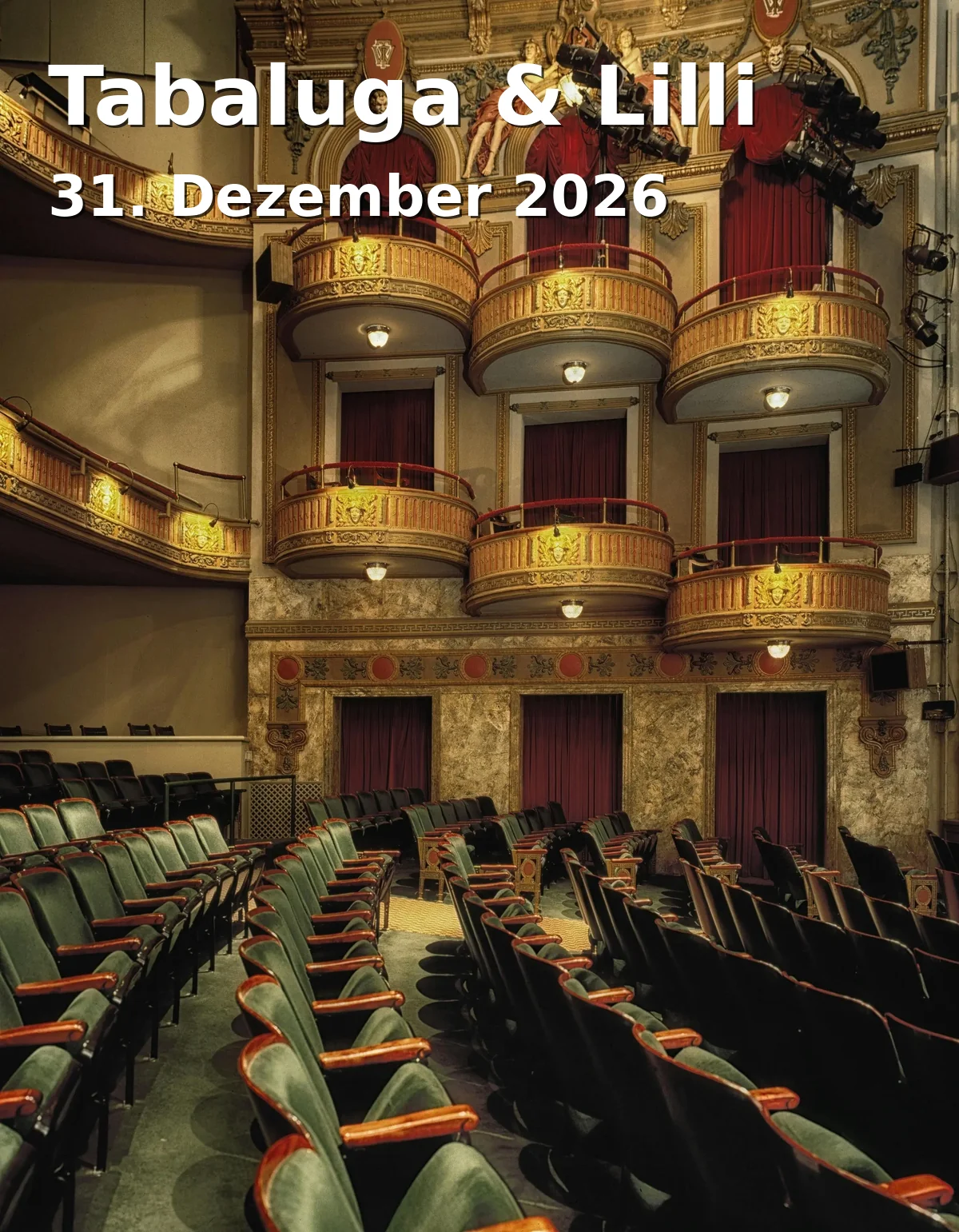
Tabaluga & Lilli
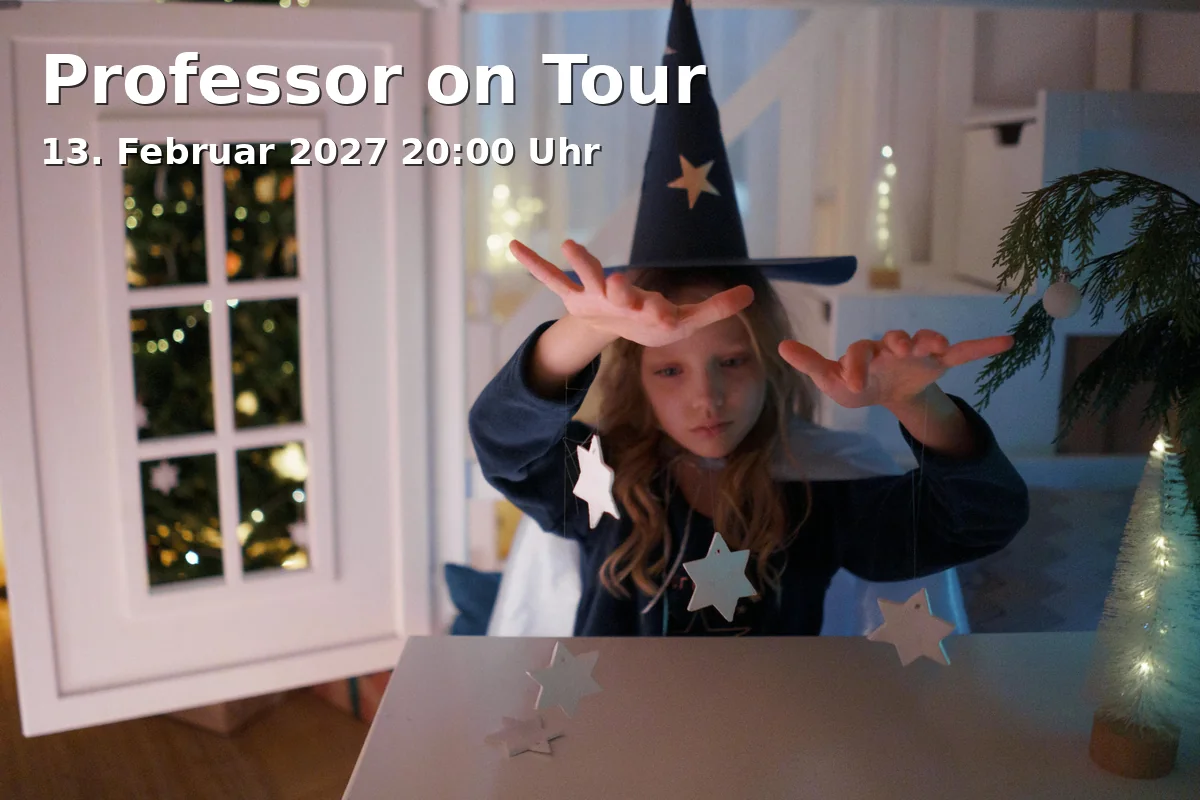
Professor on Tour
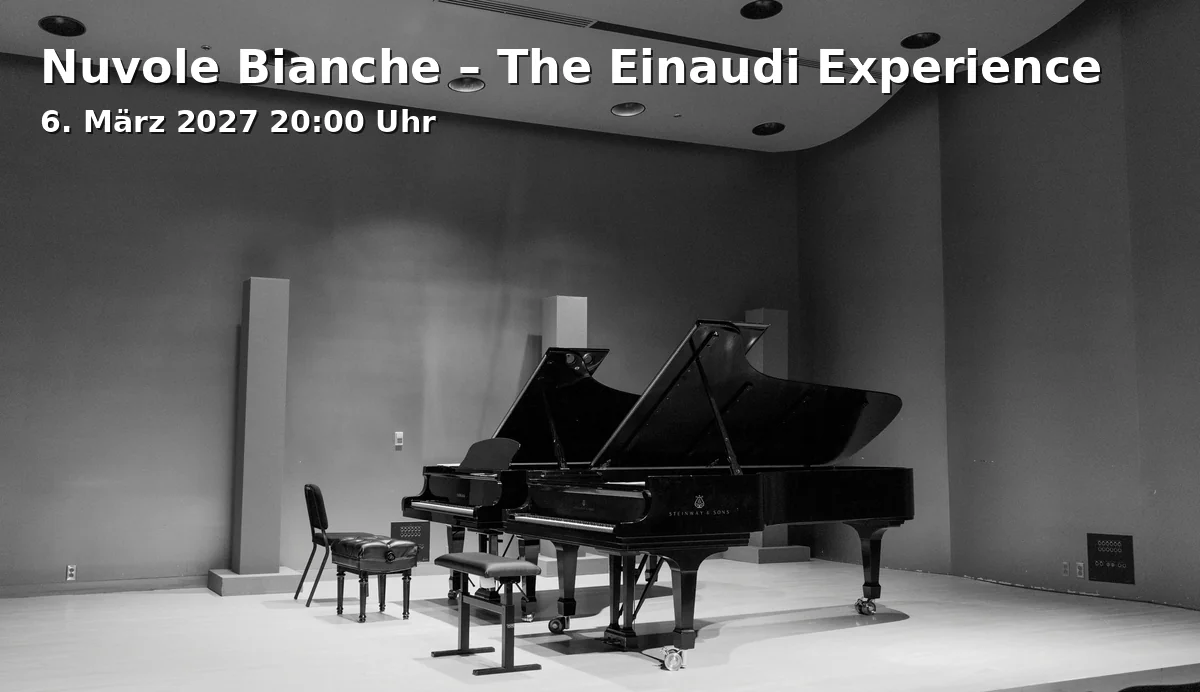
Nuvole Bianche – The Einaudi Experience
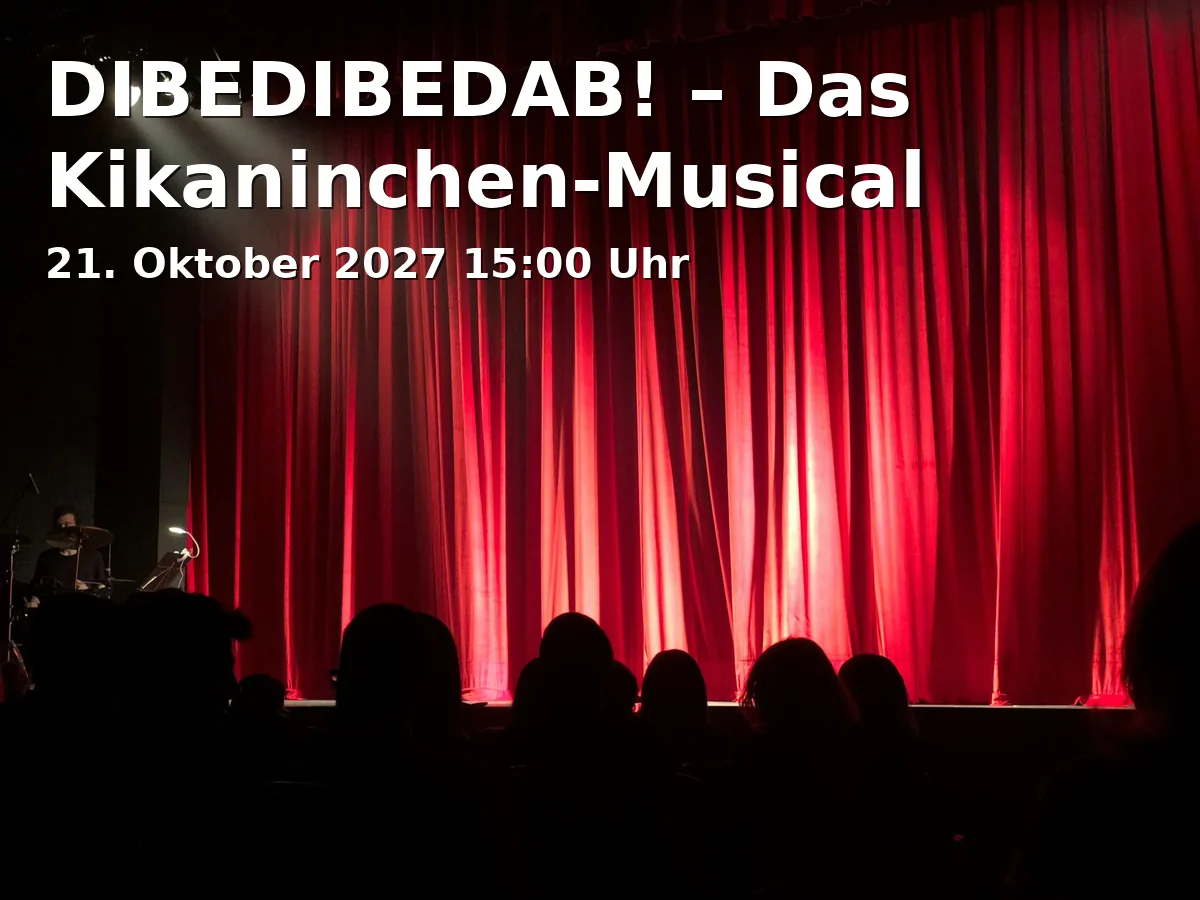
DIBEDIBEDAB! – The Kikaninchen Musical
Frequently Asked Questions
Reviews
Michael S
20. March 2018
Theatre in neo baroque style
king Ludwig BBQ kai .Staltmair
21. May 2019
Fantastic architecture
Mounir Boussetta
10. July 2018
Ok
Siegfried Quapp
31. December 2018
Top
tom ad
29. June 2023
Grandbrothers!