Fritz Kalkbrenner
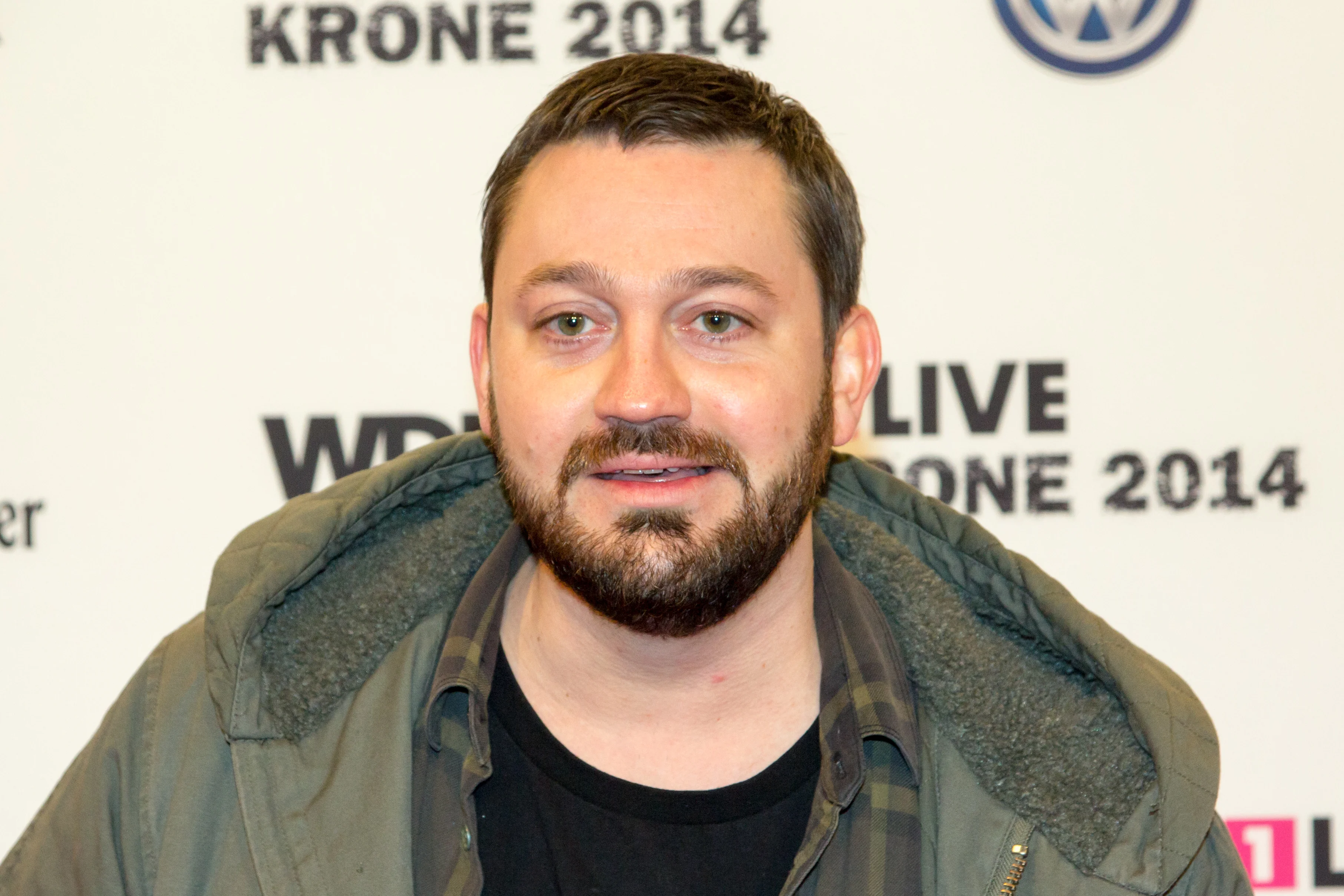
Image from Wikipedia
Image from Wikipedia
Fritz Kalkbrenner – the voice between club culture, melody, and Berlin nightlife
A German electronic artist with a distinctive signature
Fritz Kalkbrenner is one of the defining voices of German electronic music. As a music producer and singer, he has created his own artistic language with a blend of house, dance, soul influences, and melancholic intimacy. Born in 1981 in East Berlin, he grew up in a city that became a creative laboratory for club culture, freedom, and musical experimentation after the fall of the Berlin Wall. ([fritzkalkbrenner.com](https://fritzkalkbrenner.com/))
His career intertwines personal history, urban socialization, and an exceptional sense for hooklines, arrangements, and emotional atmosphere. Notably, his distinctive voice, self-written lyrics, and the combination of danceable beats with melodic elements have made him a recognizable artist for many years. His international breakthrough did not come with a loud bang but as a result of a development deeply rooted in Berlin's techno and house scene. ([fritzkalkbrenner.com](https://fritzkalkbrenner.com/))
Biography: Growing up in the shadow of the reunification, shaped by the sound of the city
Fritz Kalkbrenner's artistic biography begins in a politically and culturally charged era. The artist's website describes his childhood as being shaped by revolution, the fall of the Berlin Wall, and German reunification; Berlin early on became a place of dynamism and upheaval for him. This environment not only influenced his perspective on music but also his understanding of urban identity and creative self-assertion. ([fritzkalkbrenner.com](https://fritzkalkbrenner.com/))
A key driver of his development was his older brother Paul Kalkbrenner, who introduced him to Berlin's nightlife and the techno scene. Instead of following a conventional pop path, Fritz Kalkbrenner found his way through clubs, electronic aesthetics, and the immediate experience of DJ culture. This background explains why his songs continue to resonate equally well on large stages and for personal listening. ([fritzkalkbrenner.com](https://fritzkalkbrenner.com/))
The first step into the studio and the start of a career
In 2003, Fritz Kalkbrenner entered the studio for the first time as a singer and recorded vocal tracks for Sascha Funke's house track "Forms & Shapes." The title was released on vinyl, accompanied by a Paul Kalkbrenner remix, and quickly gained popularity in the scene. This early moment marks the beginning of a career that would later bridge club culture, singer-songwriter elements, and electronic production. ([fritzkalkbrenner.com](https://fritzkalkbrenner.com/))
The actual breakthrough was closely tied to "Sky & Sand," a song whose vocal tracks were rediscovered by Fritz Kalkbrenner on old DAT tapes. In 2008, the track became part of "Berlin Calling" and developed into a worldwide cult title, which has long been regarded as a generational anthem of electronic pop culture. For Fritz Kalkbrenner, this meant not only visibility but also the certainty that his voice possesses a strong emotional signature. ([fritzkalkbrenner.com](https://fritzkalkbrenner.com/))
From singer to producer: the solo profile
With the debut album "Here Today Gone Tomorrow" released in 2010, Fritz Kalkbrenner's solo career began in earnest. The release merged electronic club music with a soulful context and produced tracks that sharpened his signature sound: embracing house beats, melancholic vocals, and a production that oscillates between the dance floor and living room. His international recognition for live performances also grew noticeably with this album. ([fritzkalkbrenner.com](https://fritzkalkbrenner.com/))
Subsequent albums and tours further solidified his status in the electronic segment. "Sick Travellin’" reached the Top 10 of the German album charts, "Ways over Water" secured the 6th spot, and produced the first Top 20 single with "Back Home." It became evident here that Fritz Kalkbrenner did not only function through individual tracks but also as an album artist with a clear dramaturgy and consistent aesthetic line. ([fritzkalkbrenner.com](https://fritzkalkbrenner.com/))
Career highlights, tours, and artistic development
A central feature of his music career is the connection between studio work and live energy. Shortly after the first album, Fritz Kalkbrenner performed in German-speaking areas and across Europe, later expanding to tours overseas. This live activity earned him the reputation of an artist who not only produces club music but translates it into an immediate experience on stage. ([fritzkalkbrenner.com](https://fritzkalkbrenner.com/))
The album "Grand Départ," released in 2016, continued this development and was accompanied by elaborate concert recordings, including for ARTE and the French CERCLE format. Such productions underscore his authority in the field of electronic music, as they consider stage aesthetics, imagery, and sound design together. Fritz Kalkbrenner thereby clearly positioned himself as an internationally connectable live act with high production discipline. ([fritzkalkbrenner.com](https://fritzkalkbrenner.com/))
Instrumental experiments and label work
In 2018, Fritz Kalkbrenner released "Drown," a purely instrumental album. The move towards vintage drum machines and synthesizers showcased his penchant for reduction, texture, and sonic depth. Particularly during this phase, it became clear that his artistic development was not limited to the well-known vocal house mode but also allowed for experimental, club-oriented forms. ([fritzkalkbrenner.com](https://fritzkalkbrenner.com/))
At the end of 2018, he founded his own label, Nasua Music. This step created artistic independence and suited a musician who has balanced mainstream appeal and scene respect for years. The label stands for control over releases, aesthetics, and timing, strengthening his status as a producer with a long-term vision. ([fritzkalkbrenner.com](https://fritzkalkbrenner.com/))
Discography: Albums, singles, and formative songs
Fritz Kalkbrenner's discography shows a clear developmental line. Key albums include "Here Today Gone Tomorrow" (2010), "Sick Travellin’" (2012), "Ways over Water" (2014), "Grand Départ" (2016), "Drown" (2018), "True Colours" (2020), and "Third Place" (2024). The official website ranks these releases along with the recent singles and situates them within an ongoing creative phase. ([fritzkalkbrenner.com](https://fritzkalkbrenner.com/))
Among the formative songs, "Sky & Sand," "Facing the Sun," "Kings in Exile," "Back Home," "Kings & Queens," "King Curtis," "In the Morning," "Waiting For The Sun," and "Set You Free" stand out. "Sky & Sand," in particular, remains a culturally significant title, as it exemplifies the connection between Berlin's film culture, club music, and widely appealing emotions. Even Spotify highlights its strong relevance in streaming, listing the song among its most popular titles. ([fritzkalkbrenner.com](https://fritzkalkbrenner.com/))
Current releases in 2024 and 2025
2024 marked a new chapter with "Fall Between The Cracks," as the track was created in collaboration with Universal Music / Virgin Records and celebrated a premiere on BBC1, according to the official site. In the same year, the album "Third Place" was released, featuring songs like "The Telepath" and "Into The Night." These releases have been described in press reports as an artistically significant restart that further opens up the sound without losing his signature. ([fritzkalkbrenner.com](https://fritzkalkbrenner.com/))
For 2025, the official website has announced new singles such as "Kick It With You," "Can We Find A Way," and "When I See You." Additionally, a tour and festival dynamic based on the year's progression has further strengthened his presence in the club and live sectors. Contemporary press has particularly highlighted his fresh, international house sound, which combines melodic openness with a clear, Nordic-cool production. ([fritzkalkbrenner.com](https://fritzkalkbrenner.com/))
Style, production, and musical identity
Fritz Kalkbrenner's style thrives on tension: warmth and coolness, danceability and melancholy, club energy and introspection. His productions often feature driving house beats, guitar-like samples, clear vocal melodies, and arrangements that leave room for emotion. It is in this balance that the strength of his musicality lies, as it is not only functional for the dance floor but also narratively and atmospherically convincing. ([fritzkalkbrenner.com](https://fritzkalkbrenner.com/))
The press describes his sound as emotional house with international flair and a personal touch. His approach to vocals remains particularly noteworthy: he uses singing not merely as an embellishment but as a central means of expression that shapes and makes tracks recognizable. This sets him apart from many producers in the electronic scene, where vocals are often used decoratively. ([djmag.de](https://www.djmag.de/einzelnews/fritz-kalkbrenner-findet-sich-neu-ohne-sich-zu-verlieren?utm_source=openai))
Cultural influence and resonance in music press
Fritz Kalkbrenner belongs to that generation of German electronic artists who have shaped the transition from underground culture to widespread pop effectiveness. His songs have played on the radio, his albums have ranked high in the charts, and his live formats have reached an international audience. This makes him a representative of a type of club music that does not remain confined to a closed scene context but possesses cultural connectability. ([fritzkalkbrenner.com](https://fritzkalkbrenner.com/))
The music press has also recognized his consistent development. Reports from industry media emphasize his openness to new influences, his touring experience, and his courage to adjust the sound with every chapter. The combination of chart-relevant releases, artistic continuity, and his label work makes him a significant figure in the European house and electronic landscape. ([fazemag.de](https://www.fazemag.de/fritz-kalkbrenner-dem-zeitgeist-immer-einen-schritt-voraus/?utm_source=openai))
Conclusion: Why Fritz Kalkbrenner remains interesting to this day
Fritz Kalkbrenner remains intriguing because he does not perceive electronic music as a rigid genre form, but as a living expression of time, place, and personal experience. His career tells stories of Berlin club nights, a global hit with cult status, album art with attitude, and an artist who has consistently developed his voice as an emotional center. For those seeking modern house music with soul, depth, and stage presence, Fritz Kalkbrenner stands out as one of the most credible German representatives in the field. ([fritzkalkbrenner.com](https://fritzkalkbrenner.com/))
Especially live, this music unfolds its full effect: in the interplay between groove, melody, and collective energy. Fritz Kalkbrenner belongs on the stage, in the club, and at the festival – wherever his productions can unleash their greatest emotional power. Experiencing him live means witnessing the evolution of an artist who continually reinvents himself without losing his identity. ([fritzkalkbrenner.com](https://fritzkalkbrenner.com/))
Official channels of Fritz Kalkbrenner:
- Instagram: No official profile found
- Facebook: No official profile found
- YouTube: No official profile found
- Spotify: https://open.spotify.com/artist/08Ut1tYxtmgIInVyQqohkM
- TikTok: No official profile found
Sources:
- Fritz Kalkbrenner – Official Website
- Spotify – Fritz Kalkbrenner
- GROOVE – Fritz Kalkbrenner: New single released for the upcoming album
- DJ Mag Germany – Fritz Kalkbrenner reinvents himself without losing himself
- GROOVE – Fritz Kalkbrenner on "Can We Find A Way"
- FAZEmag – Fritz Kalkbrenner: always a step ahead of the zeitgeist
- Wikipedia – Fritz Kalkbrenner
Upcoming Events
Barefoot on the Beach | Fritz Kalkbrenner