
Heinrich Bedford-Strohm
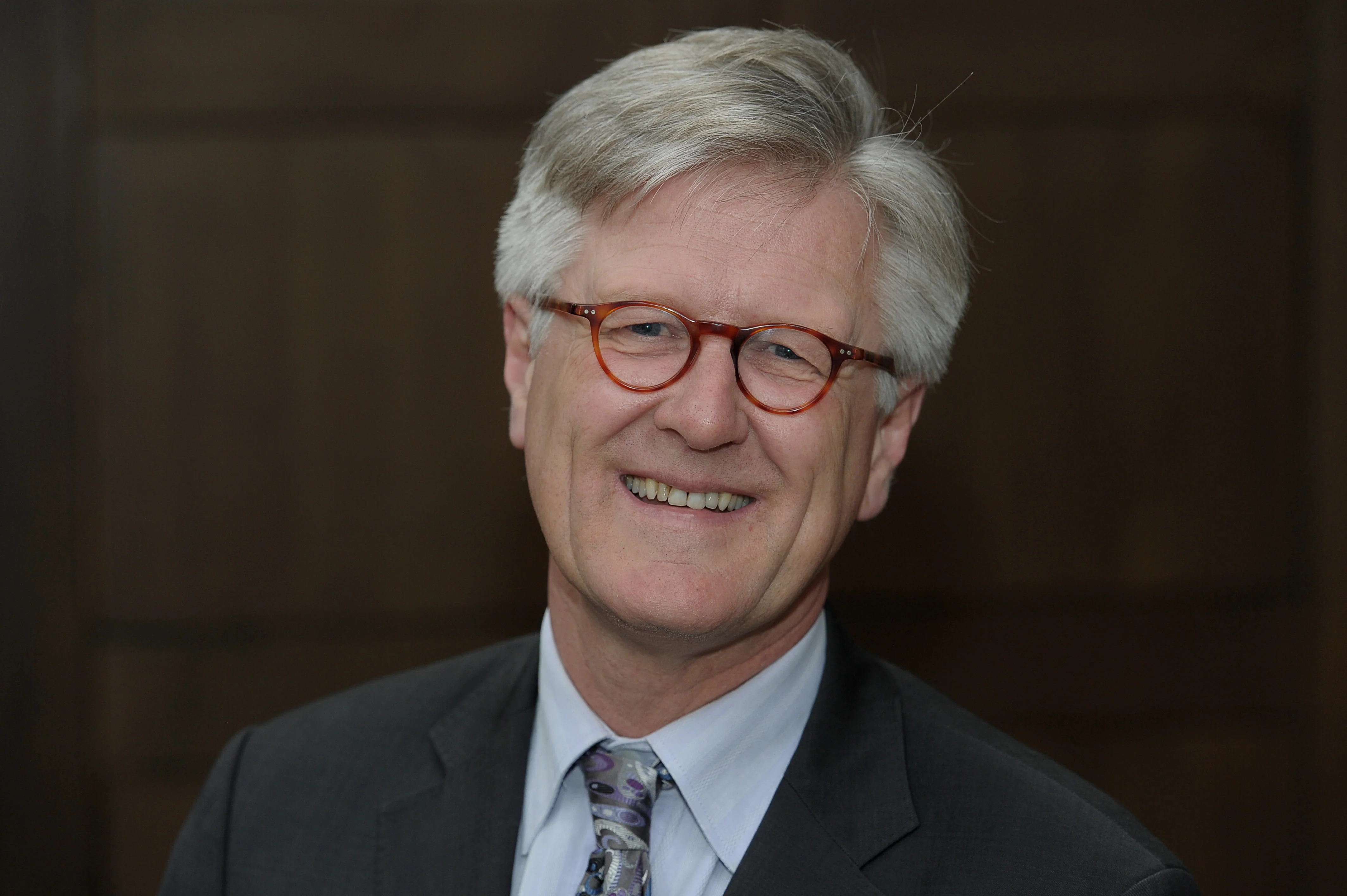
Image from Wikipedia
Image from Wikipedia
Heinrich Bedford-Strohm – Theologian, Ethicist, and a Shaping Voice of German Protestantism
A Life Between Church Leadership, Public Responsibility, and Practiced Social Ethics
Heinrich Bedford-Strohm, born on March 30, 1960, in Memmingen, is one of the most influential Protestant theologians in Germany. His career path spans from academic theology to church leadership, culminating in his role as the head of the World Council of Churches (WCC). Since 2022, he has served as the chair of the Central Committee of the WCC; prior to that, he was the bishop of the Evangelical Lutheran Church in Bavaria from 2011 to 2023, and he chaired the Council of the Evangelical Church in Germany from 2014 to 2021. ([oikoumene.org](https://www.oikoumene.org/about-the-wcc/organizational-structure/presidents-and-leadership/bishop-dr-heinrich-bedford-strohm?utm_source=openai))
Right from his early academic work, Bedford-Strohm emphasized a connection between theology, social analysis, and ethical orientation. The WCC describes him as a theologian with studies in Erlangen, Heidelberg, and Berkeley; his main areas of focus are social ethics, public theology, and issues of justice, peace, and social responsibility. It is from this intersection that his public influence derives its strength even today. ([oikoumene.org](https://www.oikoumene.org/about-the-wcc/organizational-structure/presidents-and-leadership/bishop-dr-heinrich-bedford-strohm?utm_source=openai))
Biographical Roots and Academic Influence
Bedford-Strohm studied theology as well as other subjects that broadened his view of society early on: law, history, and political science are mentioned in official and church profiles. He was ordained in 1997, and thereafter, the combination of academic reflection and church practice shaped him. The University of Bamberg played a central role during this time, as he taught there from 2004 to 2011 and later remained connected to the university as an honorary professor. ([oikoumene.org](https://www.oikoumene.org/about-the-wcc/organizational-structure/presidents-and-leadership/bishop-dr-heinrich-bedford-strohm?utm_source=openai))
This academic foundation explains why his voice is so present in church and socio-political debates. Bedford-Strohm represents a theology that does not remain in an ivory tower but directly addresses political, social, and moral questions. This was especially visible in his statements on digitalization, migration, a culture of welcome, and public responsibility. ([ekd.de](https://www.ekd.de/bedford-strohm-migration-31829.htm?utm_source=openai))
The Rise to Church Leadership
In 2011, Bedford-Strohm was elected as the bishop of the Evangelical Lutheran Church in Bavaria. This role made him one of the most prominent religious figures in the country, as he consistently combined church leadership, media presence, and ethical positioning. From 2014 to 2021, he additionally led the Council of the Evangelical Church in Germany and thus influenced the Protestant church during a time of societal upheaval. ([oikoumene.org](https://www.oikoumene.org/about-the-wcc/organizational-structure/presidents-and-leadership/bishop-dr-heinrich-bedford-strohm?utm_source=openai))
His tenure was characterized by clear communication, particularly on issues of refugee assistance, social justice, and the relationship between church and politics. The Evangelical Press Service and the EKD repeatedly document that Bedford-Strohm does not see the church as a closed institution but as an actor in the public sphere. A key part of his authority lies here: he argues theologically but always with an eye on social reality. ([ekd.de](https://www.ekd.de/bedford-strohm-migration-31829.htm?utm_source=openai))
Ecumenism, International Responsibility, and New Perspectives
Since September 2022, Bedford-Strohm has been the chair of the Central Committee of the World Council of Churches. This position elevates his influence beyond German Protestantism and strengthens his ties to the global ecumenical movement. The World Council of Churches describes him as a moderator of its Central Committee and notes his international academic networking as well as awards for his ecumenical and peace ethics contributions. ([oikoumene.org](https://www.oikoumene.org/about-the-wcc/organizational-structure/presidents-and-leadership/bishop-dr-heinrich-bedford-strohm?utm_source=openai))
Notably, he has also consistently developed his messages through media. According to evangelisch.de, he created his own YouTube channel for weekly spiritual video messages and previously used Facebook for regular short impulses. This digital presence showcases a modern form of church communication that combines personal presence, spiritual address, and media reach. ([gep.evangelisch.de](https://gep.evangelisch.de/inhalte/226832/09-02-2024/youtube-kanal-heinrich-bedford-strohm-sendet-geistliche-botschaften))
Public Themes: Social Ethics, Justice, and Humanity
Bedford-Strohm represents a theology of responsibility. The EKD frequently quotes him on topics such as humanity, freedom, migration, digitalization, and church statements in political debates. His statements follow a clear line: the Christian faith should not only comfort but also provide orientation, especially where social conflicts, exclusion, or ethical gray areas become apparent. ([ekd.de](https://www.ekd.de/bedford-strohm-migration-31829.htm?utm_source=openai))
This attitude also prominently emerged in the refugee debate. In 2025, Bedford-Strohm recalled the culture of welcome from 2015, describing it as a strong moment for the Federal Republic; at the same time, he defended the political and humanitarian spirit of that time. Such statements illustrate that his public impact stems not from loudness but from moral consistency. ([ekd.de](https://www.ekd.de/kloster/bedford-strohm-willkommenskultur-2015-hat-mich-stolz-gemacht-90854.htm?utm_source=openai))
Media Presence and Communicative Style
A defining feature of his presence is the combination of content clarity and personal address. In an interview with evangelisch.de, he describes his morning and weekly video impulses, which he initially published on Facebook and since 2024 also on his own YouTube channel. There, by his own accounts, he reaches tens of thousands of people with reflections on Bible verses, weekly sayings, and spiritual impulses. ([gep.evangelisch.de](https://gep.evangelisch.de/inhalte/226832/09-02-2024/youtube-kanal-heinrich-bedford-strohm-sendet-geistliche-botschaften))
This form of communication explains why Bedford-Strohm is perceived as particularly accessible in church and societal debates. He uses a language that remains theologically grounded while also reaching into everyday life. Particularly in digital media, he creates a closeness that is by no means a given for a traditional institution such as the church. ([gep.evangelisch.de](https://gep.evangelisch.de/inhalte/226832/09-02-2024/youtube-kanal-heinrich-bedford-strohm-sendet-geistliche-botschaften))
Discography, Publications, and Reception in a Broader Sense
In the classical music journalistic sense, Heinrich Bedford-Strohm does not have a discography, album releases, or chart hits. Instead, his publication list consists of sermons, interviews, essays, theological writings, and media-supported impulses. This finding is crucial for a cultural-critical assessment: it is not about a pop career but about a public intellectual who uses language, ethics, and presence as tools for his impact. ([oikoumene.org](https://www.oikoumene.org/about-the-wcc/organizational-structure/presidents-and-leadership/bishop-dr-heinrich-bedford-strohm?utm_source=openai))
Critical reception in ecclesial and secular media often reflects his clear, sometimes uncomfortable positioning. The EKD and other church institutions regularly acknowledge his combination of empathy, political judgment, and theological argumentation. The World Council of Churches further highlights his academic authority, international experience, and ecumenical contributions. ([ekd.de](https://www.ekd.de/ekd-ratsvorsitzende-gratuliert-vorvorgaenger-bedford-strohm-89420.htm?utm_source=openai))
Cultural Influence and Personal Profile
Bedford-Strohm's cultural significance lies in his ability to translate theology into public language. He has represented the Protestant church in Germany during a period of great upheaval with a mix of empathy, argumentative sharpness, and digital openness. His identification as a hobby violinist adds depth to his profile and hints at a biographical closeness to music, even though his work is clearly grounded in the theological space. ([oikoumene.org](https://www.oikoumene.org/about-the-wcc/organizational-structure/presidents-and-leadership/bishop-dr-heinrich-bedford-strohm?utm_source=openai))
His marriage to Deborah Bedford and their three sons, as mentioned by the World Council of Churches, further anchor the public image in a personal, familial context. This connection of office, private life, and spiritual practice makes him a figure who appeals not only to church insiders but also to a broader audience. His biography stands for responsibility, international perspective, and the quest for an ethically oriented present. ([oikoumene.org](https://www.oikoumene.org/about-the-wcc/organizational-structure/presidents-and-leadership/bishop-dr-heinrich-bedford-strohm?utm_source=openai))
Conclusion: Why Heinrich Bedford-Strohm Remains Relevant
Heinrich Bedford-Strohm fascinates as a theologian, public voice, and bridge-builder between the church, society, and international ecumenism. His career demonstrates how scientific depth, social ethical conviction, and media-aware communication create a shaping profile. Those who experience him live or follow his spiritual impulses encounter a personality that views faith not as withdrawal but as active responsibility. ([oikoumene.org](https://www.oikoumene.org/about-the-wcc/organizational-structure/presidents-and-leadership/bishop-dr-heinrich-bedford-strohm?utm_source=openai))
Official Channels of Heinrich Bedford-Strohm:
- Instagram: no official profile found
- Facebook: https://www.facebook.com/bedfordstrohm
- YouTube: https://www.youtube.com/@bedford-strohm
- Spotify: no official profile found
- TikTok: no official profile found
Sources:
- World Council of Churches – Bishop Dr. Heinrich Bedford-Strohm
- EKD – Chair of EKD Council congratulates her predecessor on his 65th birthday
- evangelisch.de – Heinrich Bedford-Strohm sends spiritual messages
- EKD – Bedford-Strohm: The culture of welcome in 2015 made me proud
- EKD – Bedford-Strohm: Freedom is the mega theme of our time
- Wikipedia: Heinrich Bedford-Strohm