Holger Paetz
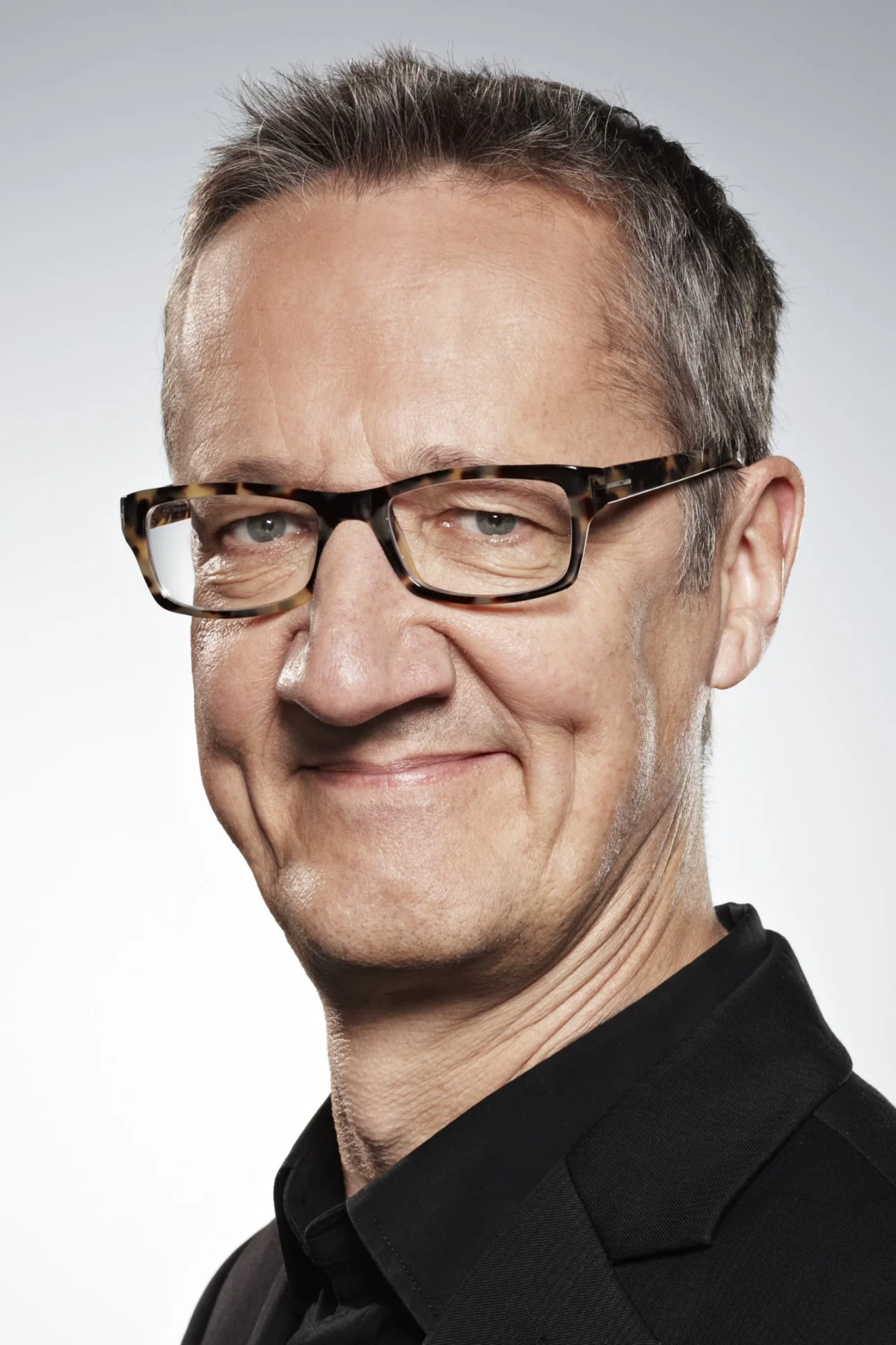
Image from Wikipedia
Image from Wikipedia
Holger Paetz – Cabaret Artist, Songwriter and Satirist
The Linguistic Virtuoso Chronicler of Political Everyday Life
Holger Paetz, born on August 23, 1952, in Munich, is one of the defining voices of German-speaking cabaret. As a cabaret artist, songwriter, and author, he combines sharp satire with musical sensitivity and a keen sense for societal moods. Growing up in Aschaffenburg, he took to the stage early on, developing a stage presence that merges astute observation with laconic humor and musical finesse. His music career is closely intertwined with his artistic development as a verbal artist, capable of dissecting politics, culture, and everyday mythologies alike.
Between song cabaret, literary satire, and pointed social criticism, Paetz has established a distinctive style. With precise diction, pointed composition, and clear arrangement, he conveys content effectively without neglecting subtleties. Awards such as the "Salzburger Stier" (1996) and the cabaret prize from the Bavarian capital Munich (1999) mark milestones in a career that has taken him from an early folk musician to an acclaimed author, solo cabaret artist, and a key figure in cult formats.
Early Years and Artistic Socialization
Holger Paetz's artistic development begins in his youth: even during school and college, he plays in folk bands, founds the folklore group "Trapaetz," and performs with them in the ARD "Talentschuppen" before television cameras. This period sharpens his sense for melody, rhythm, and the dramatic power of text and music. From the interplay of political observation and musical form, the nucleus of his later song cabaret emerges early on—a genre that connects composition, arrangement, and verbal wit into a cohesive dramatic arc. The stage becomes a resonance space, where language, voice, and guitar write equally important scores of a satirical composition.
In 1977, Paetz relocates his base of operations to Munich, where he dives headfirst into the small arts scene. On small and medium-sized stages, he hones his technique, tests new forms of satire, and develops the clear contour of his stage persona: an astute observer who musically dissects societal routines, political clichés, and our beloved absurdities. This continuous stage work—the essence of experience—also acts as the school of his artistic development.
Breakthrough, Awards, and Prominent Patrons
The rise to the forefront of cabaret is underscored by prestigious awards. In 1996, Holger Paetz receives the radio cabaret award "Salzburger Stier"—the patron at the award ceremony is Dieter Hildebrandt, whose attitude and cabaret ethos aptly accompany Paetz's work. In 1999, he follows with the cabaret prize of the Bavarian capital, which honors his satirical precision, literary quality, and confident stage presence. These awards not only reflect recognition but also mark a phase of artistic focus: Paetz consolidates his profile as an author, musician, and soloist, who connects political relevance with timeless forms of expression.
The connection to well-known venues and formats—from "Scheibenwischer" to the Munich Laughing and Shooting Society—bolsters his authority in the field. On both large and intimate stages, Paetz performs with a mix of lyrical sharpness, satirical bite, and musical clarity. His career demonstrates how consistent artistic development and public resonance reinforce each other.
Laughing and Shooting Society, Authorial Work, and Ensemble Practice
As a member and author in the ensemble of the Munich Laughing and Shooting Society (2002–2003), Paetz deepens his work on form, timing, and collective stage composition. In this phase, his satirical signature aligns with the tradition of a venue that has significantly influenced political cabaret in Germany. The work in the ensemble complements his solo practice: role changes, choral elements, shifts between monologue, dialogue, and musical numbers, and precisely set punchlines—the range expands without losing his individual voice.
At the same time, a body of work emerges that consciously blurs the line between authorial work and performance. Paetz acts as a lyricist, composer, and arranger of his programs, linking literary finesse with musical structure. The result is a stage format where dramatic arcs and songs interweave organically.
Nockherberg: Singspiel, Satirical Tradition, and Role Work
For over a decade, Holger Paetz has shaped the "Singspiel" at the strong beer tapping at Nockherberg as its main author—a tradition where politics, music theater, and spontaneous cabaret merge into a unique cultural form. This experience sharpens his dramaturgical competence: political figures are musically elevated, unmasked, and reinterpreted in collective laughter. His recurring portrayal of FDP politician Guido Westerwelle showcases the precision of his role work: vocally, gesturally, and rhythmically, he balances between caricature and characterization.
The Nockherberg Singspiel demands text economy, musical accuracy, and satirical precision under live conditions. Here, Paetz demonstrates authority in the realm of stage art: he brings together choir, solos, recitatives, songs, and scenes into a lively political revue—a masterclass in composition and production under public scrutiny.
Programs, Stage Presence, and Satirical Signature
As a solo cabaret artist, Paetz develops distinctive programs that connect contemporary issues with fundamental questions: "Ganz fest loslassen" bridges the gap between everyday reality and political reflection; "KrisenFest" responds with choreographed intensification to the crisis semantics of the 21st century; "So schön war’s noch selten! – The Satirical Year in Review" distills a year of politics and pop culture into a highly musical status report. These titles mark stages in his artistic journey and form a repertoire that is continuously refined.
Paetz's stage presence thrives on musical precision and literary timing. Wordplay, internal rhymes, metric condensations, and melodic hooks coalesce into numbers that challenge intellectually while being sensually engaging. As a mandocellist, he incorporates timbres that add depth to the song cabaret: the warm, resonant tone supports satirical lines and contrasts sharply drawn textual passages.
Discography: Song Cabaret as a Sonic Chronicle
Holger Paetz also documents his satirical work in recordings. The album "Songs" (2010) unites cabaret chansons that shift between political miniature and everyday philosophical punchlines. Titles like "Mittelstands-Hängematte," "Deutsche Senioren," or "Berlin, wo willst du hin" illustrate how Paetz molds themes into concise dramatic forms. The production emphasizes text clarity, clear lines, and an arrangement that musically underscores the irony of the lyrics.
With "Gott hatte Zeit genug" (2011), he expands the palette: the album balances spirit, faith, and societal satire without tipping into mere thesis prose. Musically, he remains grounded in his tonal foundation while employing rhythmic condensations, harmonic deviations, and pointed modulations to mark semantic hinges. Both releases position Paetz within the tradition of German-speaking song cabaret, which regards the discography as a sonic archive of political and cultural self-examination.
Style, Technique, and Historical Context
Stylistically, Holger Paetz merges elements of chanson, satire, and spoken word emphasis. His compositions focus on clear melodic leadership, text-supporting harmonization, and rhythmic points that contour punchlines. Arrangements remain lean to give language maximum space. The voice leads—with nuanced timbre, precise articulation, and calculated breaks—through the numbers, while the guitar or mandocello supports the dramaturgical architecture.
Historically, Paetz stands in line with political songwriters and cabaret writers, ranging from the Weimar chanson tradition through post-war satire to the present. His expertise shines through in the economical linking of text and music: every compositional element serves the formation of meaning. This reduction to the essential—a kind of satirical "chamber music"—increases the impact of the statements while still preserving musical independence.
Cultural Influence and Reception
Holger Paetz's cultural influence stems from his dual role as a solo cabaret artist and author for collective formats. In the Nockherberg Singspiel, he shapes a Bavarian satirical tradition that is recognized nationwide; as a soloist, he tackles the major themes of the community with a literary pen that modulates between outrage, skepticism, and playful lightness. Press responses highlight his intellectual clarity, strong text work, and unpretentious musical execution.
His programs generate lasting reception because they work with a recognizable tone: keen observation, quiet melancholy, affectionate mockery. This mixture shows experience in handling audience expectations and the courage to endure ambiguity—a competence that takes cabaret as an art of nuance seriously.
Current Projects, Tours, and Outlook (2024–2026)
From 2024 to 2026, Holger Paetz continues the tradition of his satirical year in review. "So schön war’s noch selten!" remains a focus of his live presence and guides the audience through the political, cultural, and media events of each year. Event programs for the 2025/26 season show dates in January 2026 that underscore the character of his chronicler role: reflection as a present diagnosis—musically pointed, literarily condensed.
Furthermore, Paetz remains present with readings, special formats, and thematic evenings. Individual guest performances and special appearances—from satirical sermon formats to thematic cabaret nights—exhibit his versatility. The combination of continuous stage work, authorship, and musical production keeps his repertoire current and his programs dynamic.
Conclusion: Why Experience Holger Paetz Live?
Holger Paetz embodies that rare synthesis of literary precision, musical clarity, and satirical empathy. His pieces flourish through clever arrangement, pointed composition, and a language that smiles while it sharpens. Anyone wishing to understand what song cabaret can sound like in 2026—concentrated, witty, elegant—should experience him live. On stage, his texts unfold their entire soundscape; in direct contact, the friction arises that makes cabaret an art: ruthlessly honest and profoundly human.
Official Channels of Holger Paetz:
- Instagram: No official profile found
- Facebook: No official profile found
- YouTube: No official profile found
- Spotify: No official profile found
- TikTok: No official profile found
Sources:
- Wikipedia – Holger Paetz
- Holger Paetz – Personal (official website)
- Holger Paetz – Awards (official website)
- Holger Paetz – "So schön war’s noch selten!" (official website)
- Holger Paetz Verlag Schwabing – Imprint
- Apple Music – Holger Paetz: Songs (2010)
- Apple Music – Holger Paetz: Gott hatte Zeit genug (2011)
- Amazon Music – Holger Paetz (artist page)
- Amazon Music – "Mittelstands-Hängematte" (track)
- fernsehserien.de – Holger Paetz: Filmography
- Süddeutsche Zeitung – Critique: Holger Paetz in the Laughing & Shooting Society (2024)
- Crew United – Holger Paetz (Nockherberg appearances)
- Program booklet season 2025/26 – Date overview (January 2026)
- Spinnert.de – Holger Paetz: "Ganz fest loslassen"
- Leporello Culture Magazine – "KrisenFest" (2009)
- KulturVision – Lent Sermon 2026 (photo/article)
- Wikipedia: Image and text source
Upcoming Events
Holger Paetz – Fear Not! The Repentance and Fasting Sermon
Even Vegans wilt - Cabaret with Holger Paetz