
Manfred Siering
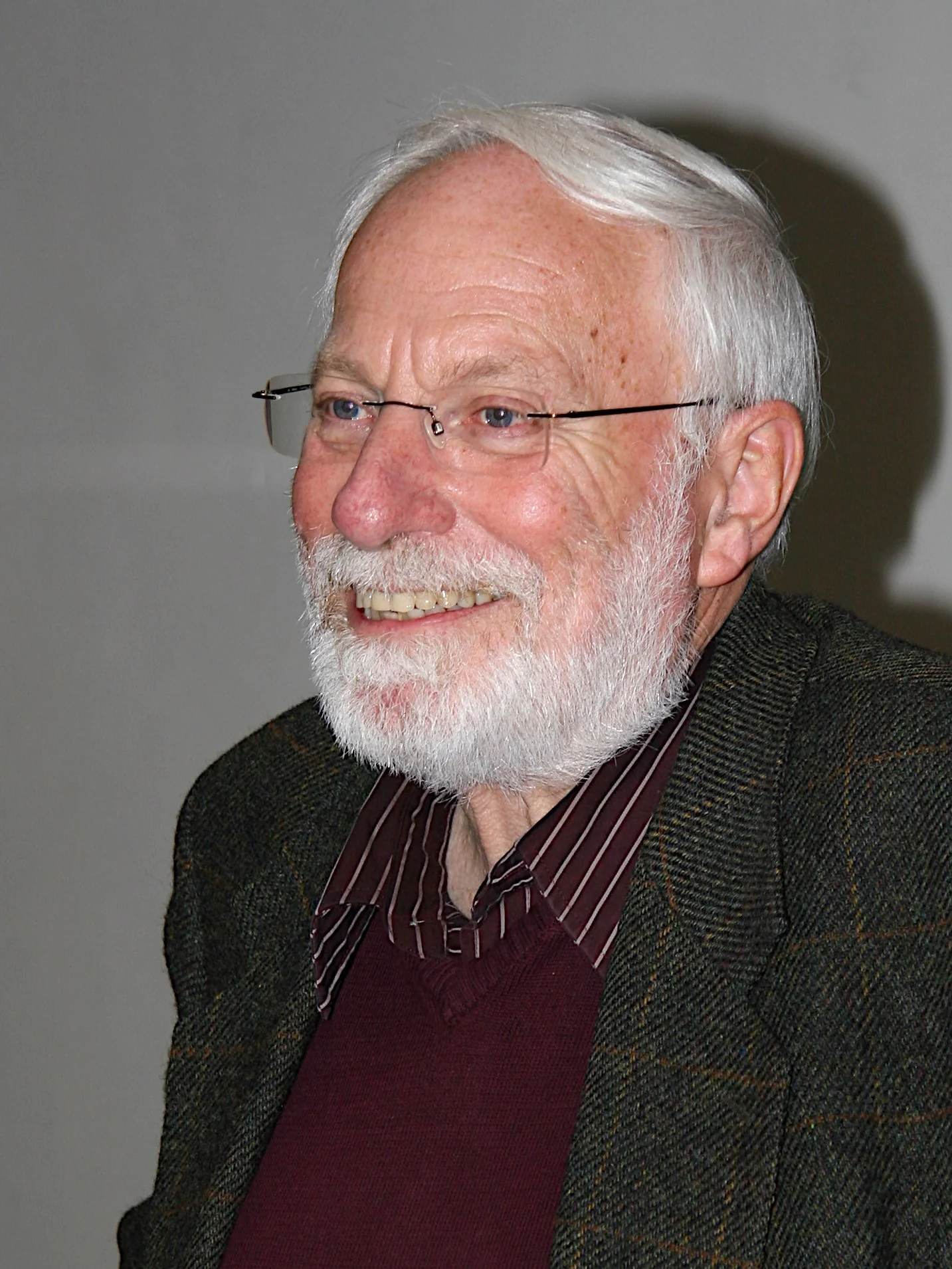
Image from Wikipedia
Image from Wikipedia
Manfred Siering – Volunteer Ornithologist, Thinker of Bird Conservation, and Passionate Nature Educator
A Life for the Avian World: How Manfred Siering Shaped Nature Conservation in Munich
Born on November 10, 1946, in Munich, Manfred Siering is one of the defining figures in Bavarian bird conservation. As a volunteer ornithologist, he early on combined natural scientific field research with public education efforts – through excursions, lectures, and media contributions. While he may lack a music career, his “stage presence” in conservation is unmistakable: For decades, Siering has been on the “boards” of landscape parks, nature reserves, and community events, explaining bird calls, ecological relationships and advocating for specific conservation measures. This artistic development in terms of a continually refined nature education makes him an authoritative and identification figure for generations of nature enthusiasts.
Biography: Munich Roots, Professional Life, and Voluntary Mission
Growing up in Munich, Siering remained loyal to his home region – linking his civic career with an extraordinary volunteer nature career. Professionally, he worked for the Munich Wholesale Market until his retirement, most recently in public service. At the same time, he shaped – step by step – an artistic development in nature education: from initial excursions to large lecture series, from local engagement to statewide connected species and habitat protection work. This dual anchoring in everyday life and voluntary work makes his voice in species conservation as credible as it is effective.
Career Milestones: From Organizational Work to a Statewide Authority
Since the 1970s, Siering has been shaping the Bavarian nature conservation ecosystem. He became involved early on with the Bavarian League for Bird Protection (LBV), later led the BN local group in Grünwald, and assumed the chairmanship of the Ornithological Society in Bavaria (OG Bayern) in 1994. Under his leadership, the connection between voluntary fieldwork, natural documentation, and community-oriented knowledge transfer intensified. The music concepts of “arrangement” and “production” can be applied to his work: Siering arranges partners, authorities, and volunteers, “produces” robust data foundations – and brings them to the “stage” of the public.
Ismaninger Speichersee, Isar, and Fröttmaninger Heide: Hotspots of Bird Conservation
As a long-time area expert, Siering fights for core areas of the Bavarian avifauna. The Ismaninger Speichersee is considered one of the most important breeding and resting areas in Upper Bavaria and is recognized as a European reserve. Along the Isar, he advocates for the protection of sensitive gravel bank breeders and warns against disturbances from leisure activities. In the Fröttmaninger Heide, he points out conflicting land use claims and demands forward-thinking visitor management. These focal points showcase his sensitivity to population dynamics, habitat connectivity, and the mix of protection instruments that must work together effectively, similar to a finely tuned arrangement.
Urban Species Conservation: Glass, Light, and Architecture
The city is both a stage and a barrier. Siering has repeatedly drawn attention to bird collisions with glass facades in Munich and called for planning countermeasures – from visible markings to optimized lighting concepts. His expertise flows into public debates about large projects, combining ecological evidence with practical recommendations. Thus, a “composition” emerges from architecture, nature conservation, and legal frameworks, which makes urban spaces more bird-friendly and promotes biodiversity in everyday areas.
Awards and Recognition: Federal Cross of Merit and Professional Visibility
In 2009, Manfred Siering received the Federal Cross of Merit – an award that recognizes his decades-long contribution to nature conservation: field research, monitoring, political consulting, mediation of conflicts of interest, and continuous public relations work. The honor underlines his authority within the nature conservation community and beyond. It documents how voluntary artistic development in the field of nature education has a societal impact – measurable in nature reserve maintenance, species protection measures, and a growing nature-interested civil society.
Knowledge Transfer: Excursions, Adult Education Centers, and Museums
A hallmark of Siering's work is immediate nature experience. In excursions for the Munich Adult Education Center and other VHS programs, he leads groups through parks, moors, and river landscapes, explaining identification features, migratory behavior, and breeding ecology. Lectures – for instance, in museums or community cultural centers – translate specialist knowledge into vivid stories. As in a successful music production, the arrangement here is crucial: Mapping, historical references, soundscapes of bird calls, and practical tips for home gardens weave together a rich narrative. This makes species portraits, habitat science, and protection practice come alive.
Current Projects (2024–2026): Lectures, Tours, and Community Building
Recently, Siering has remained active: In 2024, he spoke in Ismaning about the “Winners and Losers” of Bavaria’s avian world in the Anthropocene and discussed land use, insecticides, and leisure pressure. In 2025 and 2026, he will continue to lead excursions, guide nature tours, and participate in programs of the Ornithological Society. Public tours – from city parks to heaths – create contact points between science and everyday life. This musical career in nature education, driven by continuity, adaptability, and local anchoring, strengthens the bird conservation community.
Discography? Publications! – Documentation, Programs, and Press
Where artists have a discography, Siering's work directory refers to programs, newsletters, lecture series, press archives, and media contributions. Annual programs of the Ornithological Society, press articles on urban nature conservation, and event flyers from VHS form a traceable “setlist” of his work. Critical reception in the best sense: Media contributions question usage conflicts, report on population developments, and reflect public debates – from risks of glass facades to recreational use in protected areas. These documents establish his trustworthiness, as they are verifiable, dated, and institutionally embedded.
Style Analysis: Field Competence, Species Knowledge, and Storytelling
Siering's style thrives on acoustic and visual field competence: He uses bird calls as a “leitmotif,” combining it with identification features, behavior, and habitat ecology. This connection of composition (data), arrangement (drama of the excursion), and production (vivid communication) generates sustainable learning effects. He emphasizes ecological causalities – such as those between river dynamics, gravel bank development, and breeding bird communities – and integrates knowledge of measures: visitor management, habitat care, monitoring. Thus, a nimble, evidence-based nature education emerges that unites facts, experiences, and actionable options.
Cultural Influence: Citizen Science and Nature as Everyday Culture
As a moderator between the scientific community, administration, and citizens, Siering contributes to cultural work: He embeds birdwatching as a part of urban everyday culture and motivates active involvement through projects like bird counts. In doing so, he enlarges the data pool, strengthens citizen science, and broadens the societal basis for species protection. Protected areas are thus understood not only as spaces of restriction but as experiential areas – as “concert halls” of nature where biodiversity becomes audible and visible. This cultural enhancement creates support for decisions in favor of habitats.
Cooperations: Authorities, Associations, and Science
The quality of species conservation depends on the interaction of institutional actors. Siering works closely with associations, nature conservation authorities, area coordinators, and collections. This network enables monitoring projects, maintenance efforts, information campaigns, and continuous evaluation. His approach is systemic: habitat management, disturbance minimization, species assistance programs, and educational offerings interconnect. In music, one would say: He conducts an ensemble that can only sound brilliant in its overall performance.
Practical Tips: From Bird-Friendly Building to Bird-Friendly Neighborhoods
Siering connects the macro and micro levels. He thinks strategically – glass markings, light guidance, keeping sensitive nesting areas clear – and suggests practical measures: structurally diverse gardens, avoiding pesticides, nature-friendly care, and quiet periods during breeding times. This dual strategy creates political effectiveness and individual compatibility. Thus, species conservation becomes concrete, verifiable, and socially shared – a quality criterion of modern nature communication.
Conclusion: Why Manfred Siering Inspires – and Why You Should Experience Him "Live"
Manfred Siering combines experience, expertise, authority, and trustworthiness: He knows the avian world from decades of fieldwork, explains complex ecological relationships in an understandable way, and anchors conservation concerns in community debates. His “stage presence” in parks, museums, and excursions makes nature immediately experienceable. Those who wish to hear, see, and understand biodiversity should experience him “live” – at a tour, a lecture, or a bird count. There, knowledge becomes experience, empathy turns into action, and nature conservation becomes lived culture.
Official Channels of Manfred Siering:
- Instagram: No official profile found
- Facebook: No official profile found
- YouTube: No official profile found
- Spotify: No official profile found
- TikTok: No official profile found
Sources:
- Wikipedia – Manfred Siering
- Ornithological Society in Bavaria – Award of the Federal Cross of Merit (2009)
- Zoological State Collection Munich – Manfred Siering (Profile)
- BUND Naturschutz, District Group Munich – Press Archive (Statements and Positions)
- Süddeutsche Zeitung – Species Protection in the Munich District (Background, Quotes)
- Süddeutsche Zeitung – Recreation and Gravel Bank Breeders at the Isar
- Hallo München – Glass Facades and Bird Protection in the City
- Munich Adult Education Center – Instructor Profile Manfred Siering
- VHS Taufkirchen – Instructor Profile and Excursion Offers
- Community of Ismaning – Lecture “Status of the Bird World in Bavaria” (29.01.2024)
- Rausgegangen München – Excursion “Visiting Larks and Shady Birds” (17.05.2026)
- Wikipedia: Image and text source
Upcoming Events
Bird Paradise Ismaninger Speichersee – Early Morning Excursion
Bird Paradise Ismaning Storage Lake