
Peter Jordan (Schauspieler)
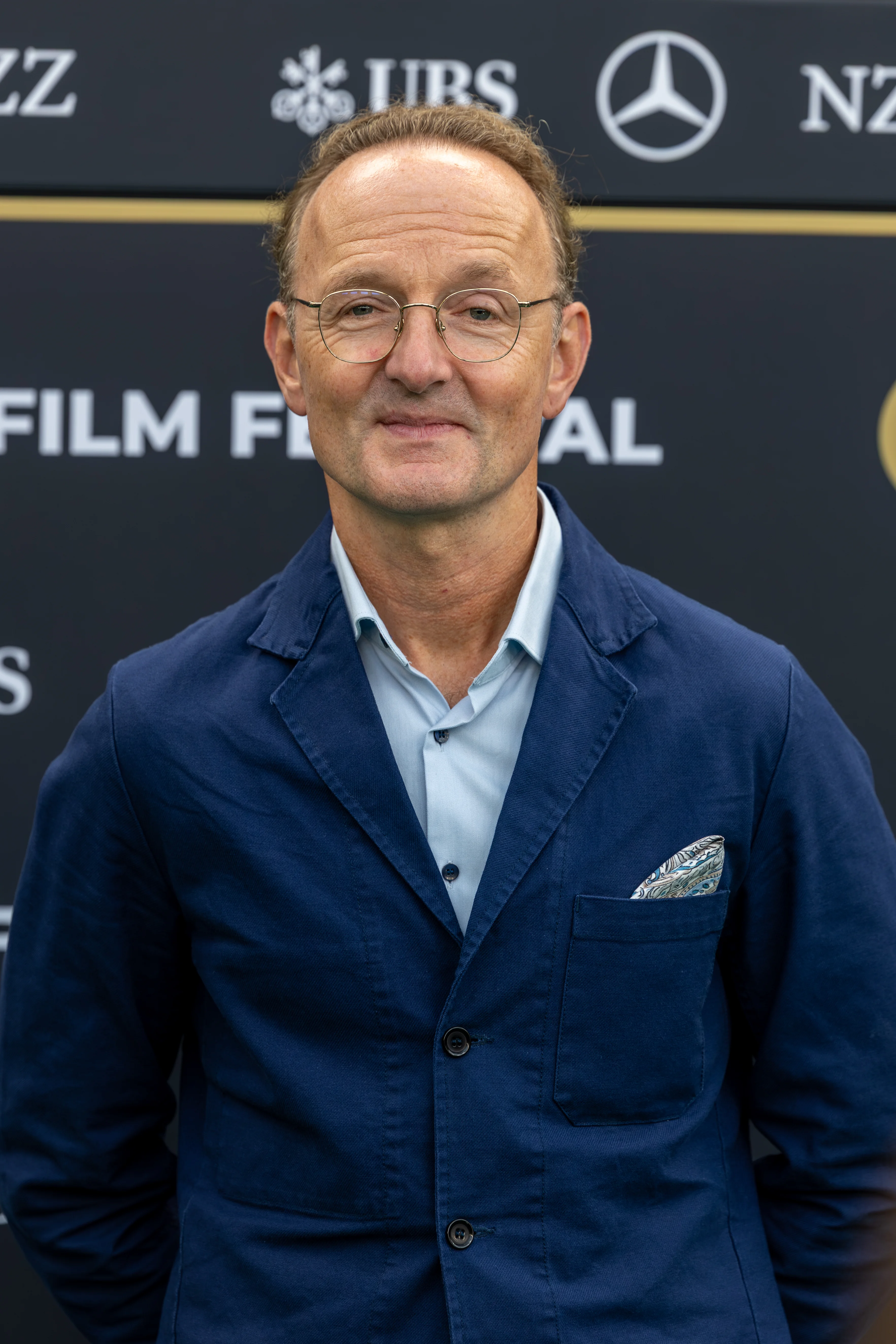
Image from Wikipedia
Image from Wikipedia
Peter Jordan – A Defining Stage Voice, Versatile Character Actor, Precise Theater Narrator
An artist who intertwines theater, film, and audio art
Peter Jordan, born on April 26, 1967, in Dortmund, has established a firm place in the German-speaking cultural landscape as an actor, radio play and audiobook narrator, as well as a theater director. While his music career may not play a central role, his sense of rhythm, timing, and tonal colors shapes his stage presence, artistic development, and the elegance of his language. His journey from solid ensemble years at the Thalia Theater Hamburg led him into a versatile career between the stage, camera, and studio – transitioning from character roles to comedic accents and dense, psychologically precise performances in crime and historical dramas.
His repertoire includes iconic theatrical rituals such as the Devil in Jedermann at the Salzburg Festival, popular TV formats like Tatort and Solo für Weiss, as well as notable film work from Fatih Akin's Solino to the historical film Nürnberg (2025). Simultaneously, he developed – often in collaboration with Leonhard Koppelmann – a distinct style as an author and director, recontextualizing classics, condensing narratives, and understanding theater as a sensory, vivid narrative machine.
Biography: From Dortmund to the Grand Stages
Growing up in Dortmund, Peter Jordan found his way to theater early on. After graduating high school (1986) and completing his civil service, he initially began studying medicine in Essen but then transferred to the Hamburg University of Music and Theater. He received his first permanent engagement at the Volkstheater Rostock in 1994/95 before moving to the Schauspielhaus Bochum under Leander Haußmann. There, encounters with directing styles like Jürgen Kruse and Dimiter Gotscheff sharpened his perceptive, body-aware acting style.
At the turn of the millennium, he moved to the Thalia Theater Hamburg – a home that supported him for over nine years in more than thirty productions. During this time, his stage presence evolved from a precise ensemble actor to a distinguished character performer, integrating the music of language, movement, and character psychology. After his time in Hamburg, he relocated to Berlin with actress Maren Eggert; since then, he has been working as a freelancer and continuously expanding his artistic spectrum.
Career Path: Theater as Laboratory, Television as Outreach
At the theater, Jordan showed an early desire for aesthetic boundary-crossing. In 2010, he took on the role of the devil in Jedermann at the Salzburg Festival, a character that intertwines energy, wit, and lucent malice. Shortly thereafter, he directed Macbeth in Dortmund, continuing his path as a director. Collaborating with Leonhard Koppelmann, productions such as Arsen und Spitzenhäubchen, Der nackte Wahnsinn, Pension Schöller, In 80 Tagen um die Welt, or The Queen’s Men emerged – works that connect composition, arrangement, and scenic production in a popular yet artistic manner.
In front of the camera, Jordan established himself in film and TV productions since the early 2000s. He gained a wider audience as Tatort Commissioner Uwe Kohnau (2008–2012) in Hamburg's team alongside undercover investigator Cenk Batu. Since 2016, he has been a regular cast member in the ZDF series Solo für Weiss, where he embodies police work with calm authority. These serial roles demonstrate his ability to develop characters over the years, vary nuances, and infuse serial dramaturgy with life.
Current Projects 2024–2026: Series, Historical Cinema, and New Texts
In recent seasons, Jordan worked simultaneously on stage, in film, and in streaming. In cinema, he appeared in the historical film Nürnberg in 2025. In the series domain, his engagements have included new seasons and series such as Babylon Berlin as well as literary and crime content, including Achtsam morden and ongoing installments of Solo für Weiss. On stage, several plays authored by him continue, such as Don Quijote or the revue and musical theater adaptations he shaped with Koppelmann. Additionally, in October 2025, his autobiographical essay Kein schöner Land (dtv) will be published – a text reflecting on memory culture, origins, and the poetics of biographical ruptures.
This multifacetedness – acting, directing, writing – underscores his artistic development: Jordan operates not only as an interpreter but also as a composer of theatrical forms, curating themes, finding arrangements, and crafting precise dramaturgies in production practice.
Film and Television: From Arthouse to Crime Series
Jordan moved early between arthouse and mainstream films. His filmography includes Solino (2002), Robert Zimmermann wundert sich über die Liebe (2008), Soul Kitchen (2009), The International (2009), Amour Fou (2014), Und wer nimmt den Hund? (2019), Es ist nur eine Phase, Hase (2021), A E I O U – Das schnelle Alphabet der Liebe (2022), Mittagsstunde (2022), and Nürnberg (2025). In television and streaming, he has worked on standalone productions (Die Wannseekonferenz, 2022), multi-part series (Babylon Berlin), as well as enduring crime formats (Tatort, Solo für Weiss). His character portrayals thrive on micro-dramatic accents: a glance, a brief silence, a shifted rhythm in a line – moments where social roles are revealed.
Awards and nominations affirm his authority in the field: The team of the short film Ausreisser was nominated for the Academy Awards in 2006; Jordan was recognized in the Grimme Prize context for Die Wannseekonferenz (2023); along with other awards and nominations from industry juries that honor performance precision and ensemble work. This recognition points to craftsmanship excellence in composition and production – qualities that are evident in his recurring collaborations with stylistically influential directors.
Direction and Authorship: Classics Reimagined
As an author/director, Jordan, together with Leonhard Koppelmann, develops playful new arrangements of classics and popular culture materials: In 80 Tagen um die Welt, The Queen’s Men, Pension Schöller, Märchen im Grand-Hotel, Schwejk, or Die Carmen von St. Pauli combine joy of performance, rhythm, and vivid dramaturgy. These works rely on precise timing, physical-musical sequences, and clear tableaus that emphasize the musicality of language and forms of play. Thus, Jordan connects to a theater tradition that interprets entertainment as art and art as a practice of communication.
A special field is the adaptation of musically influenced materials. He took charge of a new German version of Igor Stravinsky's Die Geschichte vom Soldaten for violinist Daniel Hope in 2019 – a project straddling narration, music, and scenic condensation, where the sonic texture sets the rhythm of the narrative. Here, his understanding of form, articulation, and sound dramaturgy becomes evident, structuring his productions.
Discography (Radio Plays & Audiobooks): Voice with Character
As a speaker, Jordan is characterized by a distinctive, yet flexible timbre. Radio plays and audiobooks provide him with a field of controlled production, where prosody, breathing, and sonic close-ups operate. Published titles include, among others, Der Hund der Baskervilles and non-fiction audiobooks like Ich durchschau dich!. His voice works with clear contours, finely graduated tonal colors, and precise phrasing – a quality that shines both in studio situations and on stage.
The reception of his speaking projects emphasizes clarity, presence, and narrative tension. In audiobook production, interpretation and sound direction merge into a narrative form that acoustically expands the literary space. Jordan's experience from theater rehearsals and film work – breath control, focus, pacing – is clearly woven in.
Style and Signature: Rhythm, Detail, Human Observation
Jordan's style can be described as precise human observation that takes the rhythm of language and body equally seriously. Whether as the puppeteer in a crime plot, as an ironic chronicler of bourgeois neuroses, or as a lucid player in societal panoramas – he consistently intensifies scenes through glances, accents, subtle shifts in the rhythm of dialogues. This compositional attitude also shapes his directing: clear beats, smooth transitions, contrapuntal imagery; a production that enhances the ensemble sound and engages the audience.
Historically, he aligns himself with a generation of stage artists who, between the 1990s and 2010s, found a new balance of seriousness, play, and pop aesthetics. He employs means of the grotesque, slapstick, as well as the sharpness of psychological realism – a repertoire that spans from the Ruhr area’s habitus to refined salon pieces without tipping into mannerism.
Critical Reception and Cultural Influence
The theater press highlights the connection of wit, pace, and scenic intelligence in Jordan's and Koppelmann's work. Reviews describe the joy in genre play and the ability to connect traditional materials to contemporary issues. His simultaneous role as a sought-after character actor in film strengthens his authority: theater and camera enrich each other – the precision of the close-up sharpens stage work, while the physical experiences on stage ground the camera presence.
His essay Kein schöner Land anchors this artistic practice in reflection: Biographical topographies, German memory culture, the questions of home and responsibility – themes that also structure his roles and productions beneath the surface. Thus, Jordan becomes visible not only as a performer but as an intellectual of the stage, bridging aesthetics and contemporary diagnosis.
Landmark Roles and Moments
Major highlights of his career include: his long-term work at the Thalia Theater and the iconic formats there, such as Thalia Vista Social Club; the Tatort years in Hamburg as the superior of undercover investigator Cenk Batu; the high-profile ensemble work in Die Wannseekonferenz; and recent film and series projects that showcase him across historical materials, contemporary prose, and urban noir. These stations act as milestones in a career that productively links continuity and change.
Conclusion: Why You Should See Peter Jordan
Peter Jordan is compelling because he loves the craft: language as music, scene as composition, character as precise, vibrant construction. His artistic evolution shows how an ensemble actor becomes an authority across genre boundaries – acting, directing, and speaking as communicative vessels. If you want to experience theater as a lively storytelling medium, or if you seek characters with depth in series and cinema, you will find in Jordan an artist who unites experience, expertise, authority, and credibility. Call to action: Experience him live – whether as a performer or director –, as his stage presence carries an entire scene and turns evenings into events.
Official Channels of Peter Jordan:
- Instagram: No official profile found
- Facebook: No official profile found
- YouTube: No official profile found
- Spotify: No official profile found
- TikTok: No official profile found
Sources:
Upcoming Events
Marie-Antoinette or Cake for All! – Black Comedy in Potsdam
MARIE-ANTOINETTE OR CAKE FOR ALL!