
Silly (Band)
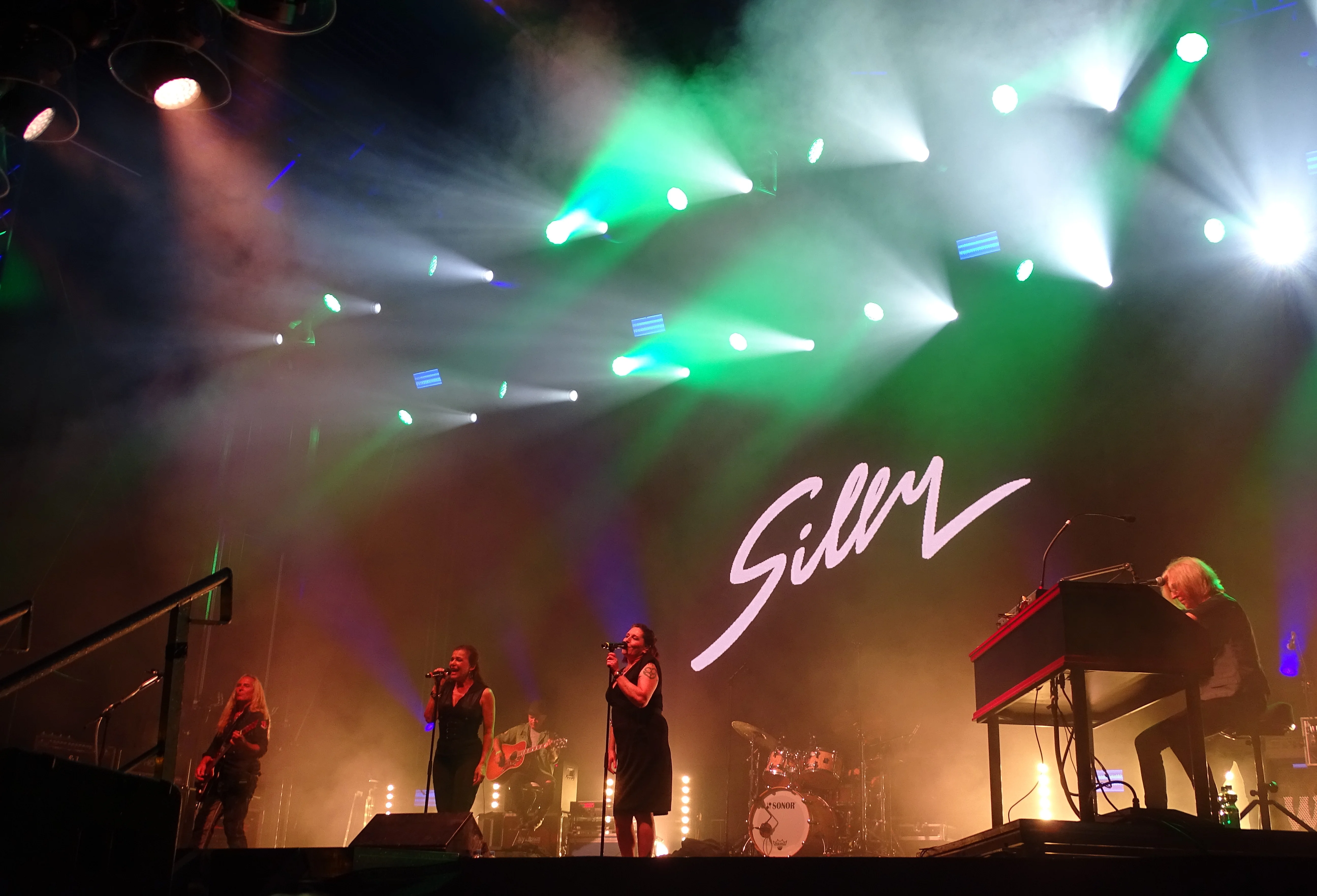
Image from Wikipedia
Image from Wikipedia
Silly (Band) – East German Rock, Attitude, and Eternal Melodies
From an East Berlin Insider Tip to an Icon of German-language Rock
Silly has represented uncompromising rock music, poetic lyrics, and a stage presence that has shaped generations since 1978. Founded in East Berlin, the band, led by charismatic frontwoman Tamara Danz, evolved into the spearhead of East German rock and later became a staple of the overall German music scene. Today, Ritchie Barton (keyboards, vocals), Uwe Hassbecker (guitar, violin), and Jäcki Reznicek (bass), along with vocalists Julia Neigel and – until early 2025 – Toni Krahl, carry the legacy of landmark albums into the present. Their musical career combines artistic development with societal resonance – from the censorship of the 1980s through the reunification to current tours in an electroacoustic guise.
Biography: Beginnings in East Berlin – Artistic Identity Despite Censorship
The band initially launched in 1978 under the name Familie Silly – a strategic response to cultural-political barriers against Anglicisms. Early on, the artistic signature emerged: rock music infused with new wave colors, narrative lyrics, and clear nuances between poetry and protest. With Tamara Danz, Silly not only found an exceptional voice but also a singer whose unmistakable stage presence and lyrical stance shaped the group's identity. Their early discography reflects an ambition that understands composition, arrangement, and production as a unity – raw, elegant, and pointed simultaneously.
Breakthrough and Conflict: Mont Klamott, Liebeswalzer, and the Long Shadow of Censorship
The breakthrough came with albums that helped shape the sound of the 1980s in East Germany. Mont Klamott (1983) is considered a milestone by many because it encapsulates urban imagery, new wave energy, and compelling hooklines. The simultaneous experiences of state control led to reinterpretations and renamings: From Zwischen unbefahrenen Gleisen emerged the softened Liebeswalzer – a chapter that solidified the band's aesthetic stubbornness. It is precisely this tension – between artistic ambition and political restrictions – that shaped Silly's authority as a rock band with a message.
Turning Years and Thematic Sharpening: Februar and Openness After 1989
With the album Februar (1989), Silly made a significant statement just before the political turning point. The songs sound harder, more direct, and lyrically unmistakable. After the fall of the Wall, the band maintained its place in the united music market – with tours, guest performances, and a production that further developed its sound ideal. The interplay of sonic bite, melodic expansiveness, and pointed choruses ensured that Silly continued its artistic evolution confidently across historical fractures.
Loss and Legacy: After Tamara Danz – Restart with a New Voice
The death of Tamara Danz in 1996 marked a turning point. Nevertheless, the foundation – composition, band chemistry, culture of arrangement – remained so stable that Silly began a strong new chapter in 2006 with Anna Loos. The artistic evolution is evident in albums like Alles rot (2010) and Wutfänger (2016): powerful production, striking guitars, singing keyboards, and anthemic refrains. The discography from this phase shows that Silly does not live by myth alone but continuously reinvigorates it musically.
Double Front Voices and New Perspectives: Julia Neigel, AnNa R., and Toni Krahl
With Julia Neigel and later AnNa R., the Silly sound acquired new shades – energetic, lyrical, and emphatic. In 2021, Instandbesetzt was released, featuring classics in new arrangements and with a fresh vocal profile. From 2023, Toni Krahl complemented the front – a constellation that expanded the stage presence and added new colors to the repertoire. This phase presents Silly as a band that translates its artistic identity into the present with experience, maturity, and enthusiasm.
Present Day: elektroAKUSTIK – Tours, Open Airs, and a Vibrant Band Culture
Under the motto elektroAKUSTIK, Silly has recently focused on dynamic reinterpretations. Reduced arrangements, acoustic arcs, and carefully placed electric guitar colors allow hits like Bataillon d’Amour, Mont Klamott, or Alles wird besser to shine in a new light. The tours of 2024 and 2025 – with additional dates and open airs – demonstrate their still enormous live appeal. Silly impresses with dramaturgically smart setlists, transparent production, and an emotionality that engages large halls just as much as intimate venues.
Discography: Milestones, Hits, Continuity
The discography precisely reflects Silly's artistic development. The early LPs represent new wave infusion and East German rock poetry, while Mont Klamott signifies canon status. Liebeswalzer documents the passage of time and the stubbornness of a band that does not relinquish its sound. In the post-2006 phase, Alles rot and Wutfänger set fresh accents in production and songwriting. Instandbesetzt (2021) bridges history and the present – an album that encapsulates sonic maturity, artistry in arrangements, and confident vocal dramaturgy. Chart resonance, numerous media reviews, and sustained live demand attest to the relevance of this body of work.
Musical Language: Sound Design, Arrangement, and Poetic Lyrics
At the center of the Silly sound are melodic guitar lines, a defining keyboard aesthetic, and bass figures that ground grooves without dominating the vocal line. Typically, there are harmonic shifts between minor shading and hopeful major keys that swell into anthemic grandeur in the choruses. Arrangements often play with articulation and space: percussive accents, deliberate dynamic changes, string colors, or acoustic nuances in electroacoustic setups. Lyrically, Silly employs metaphors, urban imagery, and double meanings – poetry as an attitude, rock lyrics with societal depth.
Cultural Influence: East Rock Legacy, German Rock History, Lively Fan Community
As a cornerstone of East Rock, Silly has shaped the self-understanding of German-language rock music. The band represents a specific connection between artistic integrity and pop appeal – a model that inspires today's acts to unite attitude and hooks. The fan community nurtures this tradition, documents concert experiences, engages in archiving, and thus secures a collective memory. In publications, music press, and concert reports, Silly regularly appears as a reference for demanding German-language rock culture.
Live Qualities: Dramaturgy, Sound, and Intimacy
On stage, Silly demonstrates how musical experience transforms into immediacy. The set dramaturgy utilizes tempo and mood changes, while the production is transparent – each instrument has space, and the vocals remain in focus. Between energetic guitars and warm keyboard textures, moments arise for which fans come: shared choruses, intimate lyrics, collective goosebumps. This stage presence, developed over decades, accounts for the consistency of their live success.
Voices of the Fans
The reactions of the fans clearly show: Silly excites people worldwide. On Instagram, a fan raves: “The new electroacoustic arrangements make the classics shine.” On YouTube, it says: “Mont Klamott live – one of the best interpretations I've ever heard.” And on Facebook, a listener writes: “Silly always manages to touch heart and mind simultaneously.” On Spotify, one reads: “A discography you want to listen to from start to finish – no skip moments.”
Conclusion: Why Silly is More Important Today than Ever
Silly combines experience, expertise, and artistic development into a sound that remains timeless. The band transforms its repertoire without diluting its DNA – a masterclass in production, arrangement, and stylistic fidelity. Anyone who experiences Silly live understands why these songs endure for decades: because they breathe attitude, shine musically, and connect people. Recommendation: Be sure to attend a current concert – electroacoustic, close, intense.
Official Channels of Silly:
- Instagram: https://www.instagram.com/silly_official/
- Facebook: https://www.facebook.com/Silly/
- YouTube: https://www.youtube.com/SillyVEVO
- Spotify: https://open.spotify.com/artist/4vvZMdl6p2XjdcmxA9dRws
- TikTok: No official profile found
Sources:
- SILLY – Official Website
- Apple Music – Instandbesetzt (Electrola/Universal Music), released 17.09.2021
- laut.de – Silly: Biography, Discography, Reviews
- moz.de – Silly on Tour: elektroAkustik, Dates, and Resonance
- RockTimes – elektroAKUSTIK Tour: Additional Dates 2025
- Reservix – SILLY Open Air / elektroAkustik 2026 (Ticket Info)
- Wikipedia: Silly (Band) – Image and Text Source
Upcoming Events
SILLY Open Air 2026 - elektroAkustik Tour in Schwerin