
Siri Hustvedt
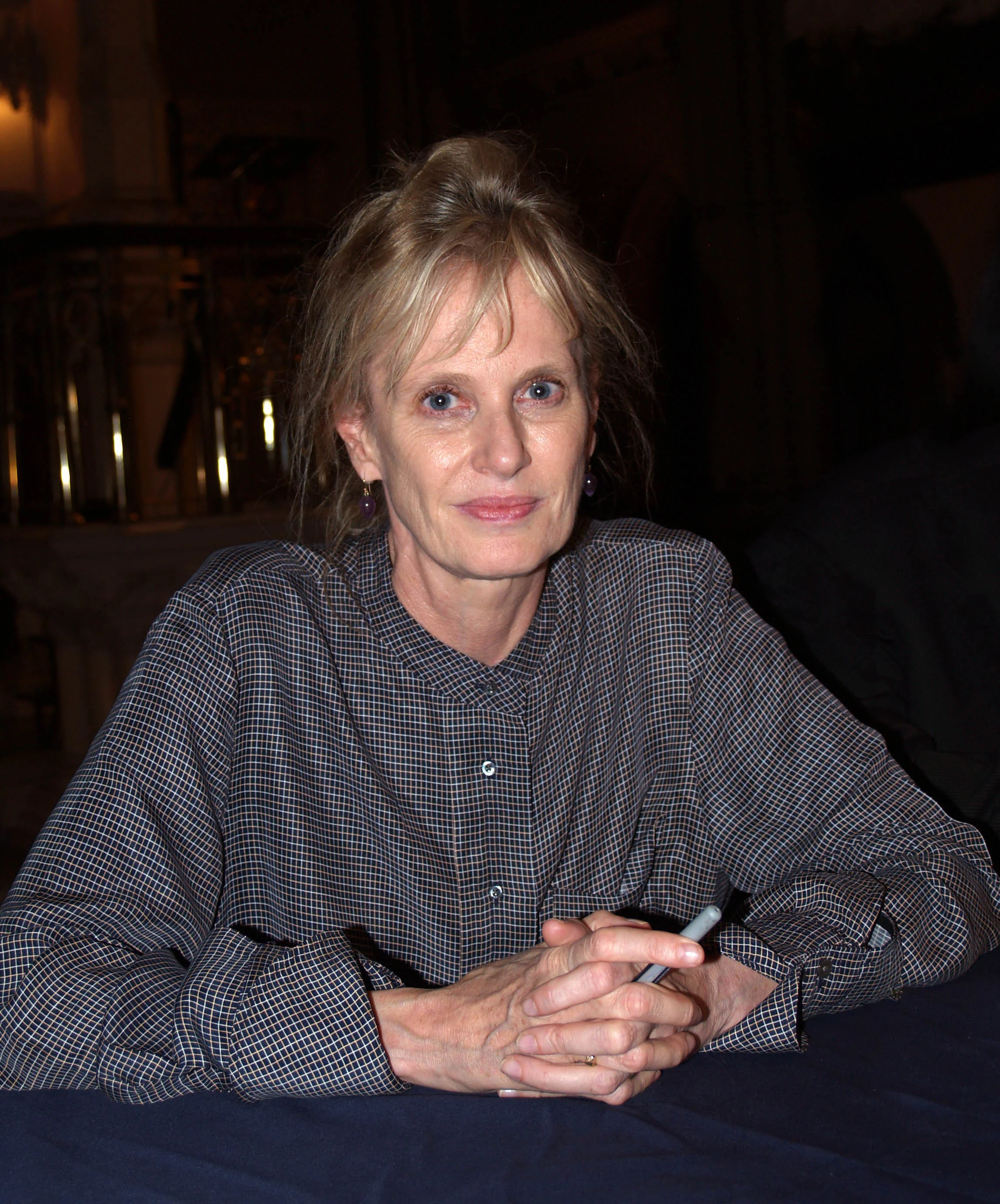
Image from Wikipedia
Image from Wikipedia
Siri Hustvedt – Portrait of a Great Storyteller of Our Time
A Voice Between Literature, Science, and Lived Experience
Siri Hustvedt, born on February 19, 1955, in Northfield, Minnesota, has been one of the defining storytellers of contemporary international literature since the 1990s. The American author with Norwegian roots blends literary virtuosity with intellectual curiosity and interdisciplinary research in her novels, essays, and lectures. Her books are read worldwide, have received numerous awards, and have been translated into various languages. With works such as “What I Loved” and “The Summer Without Men,” she has gained a readership that reexamines art, memory, body, and identity within her prose.
Hustvedt’s artistic development is characterized by an intense engagement with neuroscience, psychoanalysis, philosophy, and visual art. Her stage presence at readings and discussions, her confident tone in essays, and her precise, empathetic character portrayals in her novels showcase an author who transforms experience into understanding – and who leads the dialogue between literature and science with authority.
Background, Education, Early Influences
Growing up in a bilingual family – with a Norwegian mother and an American father, the Scandinavian scholar Lloyd Hustvedt – Siri Hustvedt learned early on to shift perspectives and connect cultural horizons. She studied at St. Olaf College and earned her doctorate at Columbia University; this academic grounding shapes her meticulous research, her interest in the history of discourse, and the thoughtful composition of her texts. Her engagement with European literary and intellectual history – from Kierkegaard to Freud – turns her books into resonant spaces where theory and lived experience intersect productively.
Literary Beginnings and the Path to Breakthrough
After publishing early poetry and short stories, Hustvedt released her debut novel “The Blindfold” in 1992 (followed by “The Enchantment of Lily Dahl” in 1996 as her second novel). Her international breakthrough came in 2003 with “What I Loved,” a New York novel that sharply delineates art, perception, and moral responsibility. The success made her known to a broad audience and established her as a significant voice in literary criticism for an intellectually demanding yet deeply moving narrative style. In 2008, “The Sorrows of an American” was published, intertwining family memory and national history.
Diversity of Forms: Novel, Essay, Memoir
Hustvedt is not only a novelist but also a productive essayist and researcher at the intersection of art and science. Volumes such as “Living, Thinking, Looking” and “The Shaking Woman or A History of My Nerves” demonstrate how she combines clinical observations, neurological research, and personal experience. Her essays appear in literary and academic publications, showcasing expertise that extends beyond the cultural pages. This dual role – storyteller and thinker – imparts intellectual vibrancy and cultural authority to her work.
Award-Winning Authority: Princess of Asturias Award and International Recognition
In 2019, Siri Hustvedt received the prestigious Princess of Asturias Award for Literature. The award acknowledged a body of work that addresses the grand questions of art, ethics, and knowledge in a distinctive, stylistically confident language. Previously, she was featured on the longlist for the Booker Prize with “The Blazing World” (2014) and has been honored with multiple honorary doctorate degrees. The response in the press and criticism – from Le Monde to The Guardian – confirms her status as an author who unites intellectual depth with narrative tension.
Upcoming Projects (2024–2026): Ghost Stories and a Cinematic Portrait
After the death of her husband Paul Auster in 2024, Hustvedt devoted herself to a new, deeply personal project: “Ghost Stories,” a memoir about love, grief, and memory. The U.S. edition is set to be published in spring 2026 by Simon & Schuster; in the United Kingdom, Sceptre will release the title on May 5, 2026. Concurrently, readings and conversations in Europe will accompany the release, including events in Germany and Norway. Additionally, the documentary “Siri Hustvedt – Dance Around the Self” (directed by Sabine Lidl) will be presented in 2026: a portrait of the writer, her artistic development, her relationship with Paul Auster, and her feminist thinking.
Style and Themes: Identity, Memory, Body
Hustvedt’s prose revolves around identity and perception, the interwoven nature of body and mind, the ethics of the gaze, and the instability of memory. Characters navigate between conscious and unconscious impulses; artworks become litmus tests for moral decisions. Her compositions blend precise observation with art-historical and philosophical reflections. The tone remains decidedly literary: suggestive yet analytical; sensual yet precise. In her essays, Hustvedt makes complex discourses accessible – for instance, when she decodes neurological phenomena stemming from personal experience.
Cultural Influence and Public Debates
Hustvedt’s books resonate well beyond literature: In lectures and keynotes, she transcends the boundaries between the humanities and natural sciences, fostering an enlightened discourse on gender, subjectivity, and art. Her engagement in European cultural forums and universities – from Vienna to Copenhagen – documents an international presence that connects the literary field with research and public conversation. At the same time, she illustrates in interviews and essays how individual histories – trauma, illness, grief – translate into collective understanding about responsibility and empathy.
Selected Works
Novels: “The Blindfold” (1992), “The Enchantment of Lily Dahl” (1996), “What I Loved” (2003), “The Sorrows of an American” (2008), “The Summer Without Men” (2011), “The Blazing World” (2014), “Memories of the Future” (2019). Essays and Non-Fiction: “A Plea for Eros” (2006), “The Shaking Woman or A History of My Nerves” (2010), “Living, Thinking, Looking” (2012). Recent essay collections in German address perception, art, and epistemic skepticism with unmistakable intellectual rigor.
With “Ghost Stories” (2026), Hustvedt enters a new phase of her work: The book condenses diaries, reflections, and letters into a multi-voiced composition about love and loss. The text is both literary and philosophical, leading the author into a personal dialogue with the great questions of finitude, memory, and continuing on in narratives – in her own writing as well as in the works of her beloved partner.
Reception: Criticism and Readership
For years, critics have highlighted Hustvedt’s accuracy of observation, her art-historical erudition, and the strong ethical dimension of her writing. “What I Loved” became an international bestseller, shaping a generation of readers who seek not only aesthetic pleasure but also moral orientation in art and literature. “The Blazing World” expanded this discourse by narratively and analytically rendering visible the power dynamics in the art world – a novel that productively intertwines formal multiplicity and sarcastic sharpness.
Poetics of Connection: Literature as a Practice of Knowledge
Experience, expertise, authority, and trustworthiness form an organic whole in Hustvedt’s work. Experience: She writes from lived life, reflecting on stage presence, reading practices, and artistic development. Expertise: She employs specialized vocabulary and research – from composition and arrangement of literary forms to the analysis of neuro- and perceptual psychological perspectives. Authority: Awards, international publishers, and constant presence in authoritative media attest to her status. Trustworthiness: Her works rely on verifiable sources, open self-reflection, and a precise representation of scientific debates.
Conclusion: Why Read Siri Hustvedt Now – and Experience Her Live?
Siri Hustvedt combines narrative intensity with intellectual freedom. Those who read her novels and essays discover literature as a practice of knowledge – precisely composed, emotionally rich, and discursively powerful. “Ghost Stories” opens a particularly close window into her thinking and feeling in 2026: a book that addresses love and loss without pathos, but with great empathy. Meet this author in conversation, at readings, and at festivals: Live, her voice, humor, and analytical sharpness become an experience that resonates long after.
Official Channels of Siri Hustvedt:
- Instagram: No official profile found
- Facebook: No official profile found
- YouTube: No official profile found
- Spotify: No official profile found
- TikTok: No official profile found
Sources:
- Siri Hustvedt – Official Website
- Rowohlt Publishing – Author Page Siri Hustvedt
- Princess of Asturias Foundation – 2019 Literature Award (Siri Hustvedt)
- Publishers Weekly – Interview on “Ghost Stories,” March 30, 2026
- The Bookseller – Sceptre to Publish “Ghost Stories,” May 2026
- SRF Culture – “Ghost Stories” in Discussion, March 2026
- Aftenposten – Review of “Gjenferd” (Norwegian Edition), March 5, 2026
- Wikipedia (de) – Siri Hustvedt
- Wikipedia (en) – Siri Hustvedt
- Wikipedia (de) – “Siri Hustvedt – Dance Around the Self” (2026)
Upcoming Events
Siri Hustvedt – Dance Around the Self
Siri Hustvedt - Dance Around The Self
Siri Hustvedt – Dance Around The Self
Siri Hustvedt - Dance Around The Self
Siri Hustvedt – Dance Around the Self in Cottbus
Siri Hustvedt – Dance Around the Self at Obenkino Cottbus
Siri Hustvedt in Cottbus: Dance Around the Self
Siri Hustvedt – Dance Around the Self in Cottbus
Siri Hustvedt in Cottbus: Literary Matinee at Obenkino