Henrik Ibsen
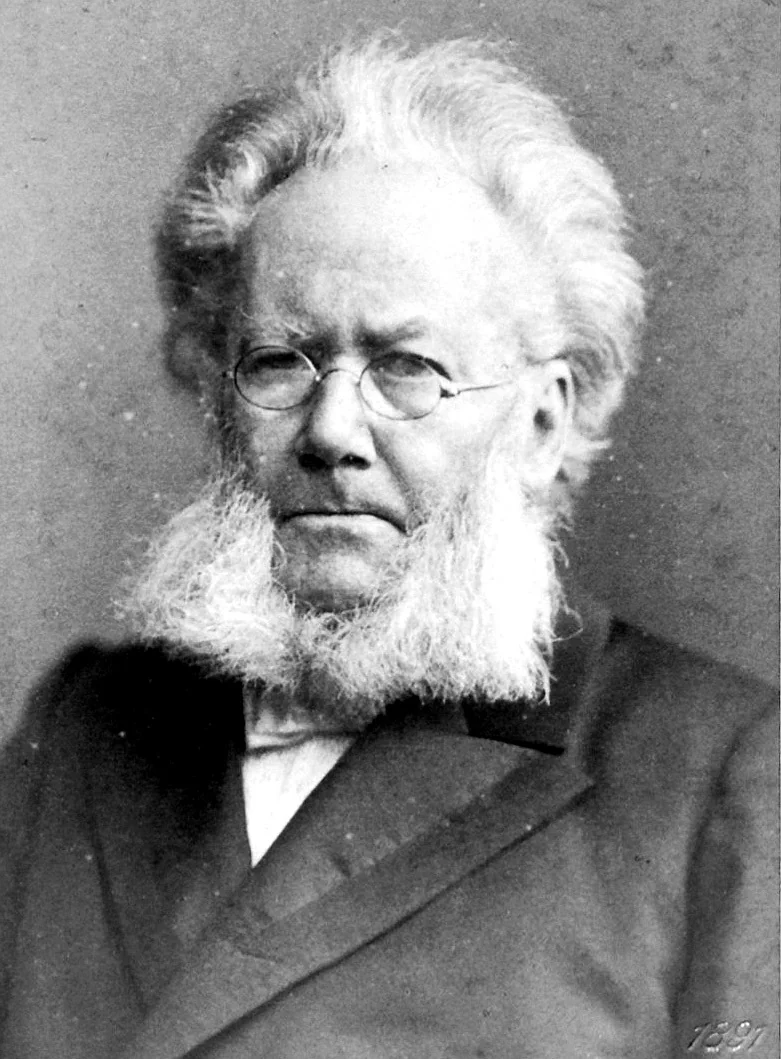
Image from Wikipedia
Image from Wikipedia
Henrik Ibsen – the Revolutionary of Modern Theater
The playwright who transformed the stage into a laboratory of truth
Henrik Johan Ibsen, born on March 20, 1828, in Skien and died on May 23, 1906, in Christiania, is considered one of the most influential playwrights in world literature. He is regarded as a co-founder of modernism in theater and is often referred to as the father of realistic drama; his plays remain among the most frequently performed on international stages to this day. His life experiences in Norway, Italy, and Germany shaped a unique artistic signature, revealing bourgeois facades, moral conflicts, and psychological abysses with remarkable consistency. ([visitnorway.com](https://www.visitnorway.com/things-to-do/art-culture/literature/henrik-ibsen/?ya_src=serp300))
Biography: Background, Influence, and Early Breaks
Ibsen grew up in a patrician merchant family, whose social decline early sharpened his awareness of status, shame, and societal masks. His childhood in Skien, temporary relocation to Venstøp, and experiences of financial uncertainty acted as a silent undercurrent that later appeared in many of his plays. The Wikipedia text and the Ibsen-Tidstavle of the university project paint a picture of a young man searching for his path amidst bourgeois education, family pressure, and growing independence. ([en.wikipedia.org](https://en.wikipedia.org/wiki/Henrik_Ibsen))
At the age of 15, Ibsen moved to Grimstad to work as an apprentice pharmacist. It was there that he began writing and gained experiences that led him from the confines of provincial life to an observant, precise literary stance. This early connection between everyday life, work, and intellectual curiosity became a hallmark of his dramatic method: he observed people not as figures of pose but as beings in conflict with their social environment. ([visitnorway.com](https://www.visitnorway.com/things-to-do/art-culture/literature/henrik-ibsen/?ya_src=serp300))
The Breakthrough: From Theater Man to European Classic
His professional entry into theater began in 1851 when he worked as a dramatic author at the Det norske Theater in Bergen; he later also worked in Kristiania. These years provided him insight into rehearsal work, stage practice, and the mechanics of contemporary theater, that craftsmanship side that made his later plays so precise and playable. He debuted as a writer in 1850 with Catalina; however, his actual international breakthrough came only in the 1860s with Brand and Peer Gynt. ([ibsen.uio.no](https://www.ibsen.uio.no/SAKINNL_intro_theatre.xhtml?utm_source=openai))
From 1864, Ibsen lived abroad for 27 years, mainly in Italy and Germany, particularly in Rome, Dresden, and Munich, with only brief visits to Norway. This long foreign phase gave him distance from the Norwegian milieu and sharpened his perspective on the structures of his own origins: many of his plays are set in Norway, often in bourgeois living rooms, where moral order and private truth brutally collide. After Peer Gynt, Ibsen broke away from poetic form and wrote in realistic prose, which made his dramatic language even sharper, more sober, and psychologically precise. ([en.wikipedia.org](https://en.wikipedia.org/wiki/Henrik_Ibsen))
Works and Dramaturgy: The Great Phase of Realistic Conflicts
Some of Ibsen's most important works include A Doll's House, An Enemy of the People, Ghosts, The Wild Duck, Hedda Gabler, The Master Builder, John Gabriel Borkman, and When We Dead Awaken. Britannica highlights how vehemently his works faced rejection from conservative contemporaries while progressive stages embraced them in England and on the continent. Ibsen made bourgeois inner life the main stage of modern morality: his dialogues read like psychological dissections, his actions like a constant buildup of pressure until the facade collapses. ([britannica.com](https://www.britannica.com/biography/Henrik-Ibsen))
A Doll's House is regarded as one of the most performed and culturally significant pieces by the author. Nora Helmer's breakout from marriage and family was a scandal in 1879 and simultaneously a symbol of modern self-determination; VisitNorway describes this final scene as one of the most famous gender-political moments in world literature. Furthermore, Ghosts and An Enemy of the People showcase Ibsen's radical delight in moral examination: not only ideals but the consequences of their failure drive the narrative. ([visitnorway.com](https://www.visitnorway.com/things-to-do/art-culture/literature/henrik-ibsen/?ya_src=serp300))
Style and Artistic Development: Realism with Dissecting Precision
Ibsen's later work is characterized by increasingly nuanced realism and deep psychological density. The characters do not speak in the decor of grand gestures but in a language that makes social conventions, self-deception, and suppressed desires audible. The stage becomes a resonant space for inner conflicts: actions arise from tension, silence, glances, unspoken motives, and the slow erosion of certainties. ([en.wikipedia.org](https://en.wikipedia.org/wiki/Henrik_Ibsen))
His view of society remains relentless and yet artfully crafted. Britannica describes how Ibsen provoked the moral sensitivities of his time by bringing diagnoses of illness, marital crises, lies, and social hypocrisy to the stage; therein lies his modernity. His dramas operate with a precision that can almost be described as architectural: motives are established, revisited, and ultimately discharged in a final confrontation. ([britannica.com](https://www.britannica.com/biography/Henrik-Ibsen))
Cultural Influence: From Norwegian Author to Global Figure
Ibsen is regarded as one of the most significant playwrights in world literature and as a formative figure for generations of writers and theater makers. Wikipedia cites George Bernard Shaw, Oscar Wilde, and James Joyce as later luminaries influenced by him; Freud considered him on par with Shakespeare and Sophocles. This impact is explained by the universality of his conflicts: Ibsen wrote from the Norwegian province about themes that resonate in every modern society – power, truth, marriage, guilt, inheritance, and self-determination. ([en.wikipedia.org](https://en.wikipedia.org/wiki/Henrik_Ibsen))
His plays have not only renewed spoken theater but have also changed the cultural perception of the stage as a place of intellectual discourse. VisitNorway describes how Ibsen moved European stages away from mere entertainment and decoration, establishing a new form of moral analysis. This is precisely where his lasting fascination lies: his dramas are not historical museum pieces but vibrant investigations of what people perform, conceal, and impose on one another. ([visitnorway.com](https://www.visitnorway.com/things-to-do/art-culture/literature/henrik-ibsen/?ya_src=serp300))
Conclusion: Why Henrik Ibsen Continues to Captivate Today
Henrik Ibsen remains intriguing because he transformed theater into a precise, uncompromising art of revelation. His biography combines bourgeois roots, European breadth, and artistic radicalism into a body of work that questions social order and psychological truth simultaneously. Those who read Ibsen or experience him on stage encounter an author who not only understood his time but helped define modernity itself. ([en.wikipedia.org](https://en.wikipedia.org/wiki/Henrik_Ibsen))
A live visit to his plays is still worthwhile today, as Ibsen's dramas unleash their full force in the theater: in the breath of the actors, in the pressure of pauses, and in the uncanny precision of his dialogues. Few playwrights allow bourgeois certainties to collide so elegantly and forcefully. Anyone who wants to understand why modern theater thinks differently than theater before Ibsen should definitely experience his works on stage. ([britannica.com](https://www.britannica.com/biography/Henrik-Ibsen))
Official Channels of Henrik Ibsen:
- Instagram: No official profile found
- Facebook: No official profile found
- YouTube: No official profile found
- Spotify: No official profile found
- TikTok: No official profile found
Sources:
- Britannica – Henrik Ibsen: Biography, Plays, & Facts
- VisitNorway – Henrik Ibsen: The Norwegian playwright who changed the theatre
- Wikipedia – Henrik Ibsen
- Universitetet i Oslo – Henrik Ibsen's writings: Timeline 1828–1906
- Universitetet i Oslo – Henrik Ibsen's writings: Introduction to Norwegian and Scandinavian theater
- Wikipedia: Image and text sources
Upcoming Events
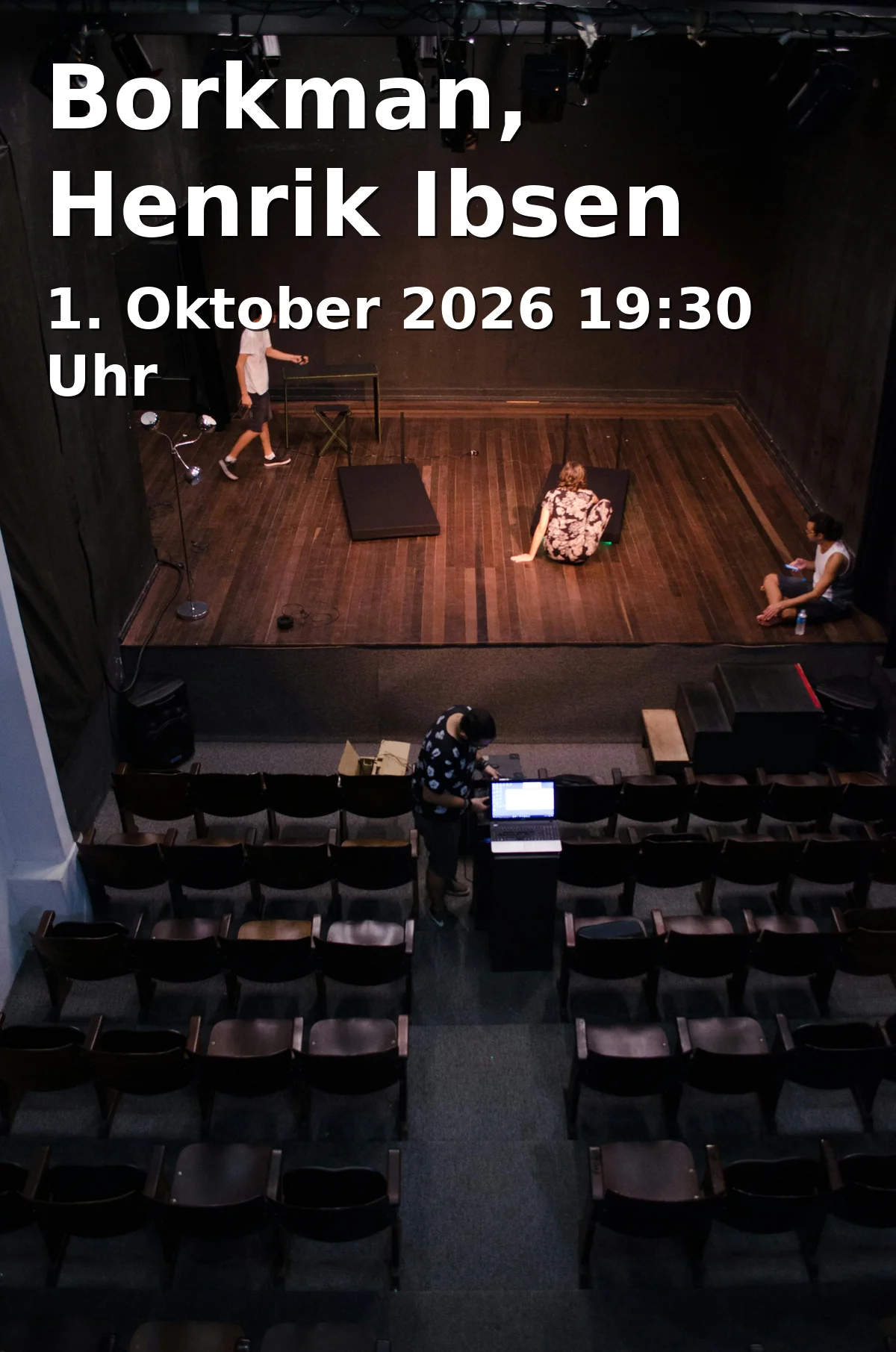
Borkman by Henrik Ibsen at the ETA Hoffmann Theater
Borkman, Henrik Ibsen
Borkman, Henrik Ibsen
Borkman, Henrik Ibsen
Borkman, Henrik Ibsen
Borkman, Henrik Ibsen
Nora or A Doll's House
Borkman, Henrik Ibsen
Borkman, Henrik Ibsen - Modern Drama at the ETA Hoffmann Theater