
Rapunzel
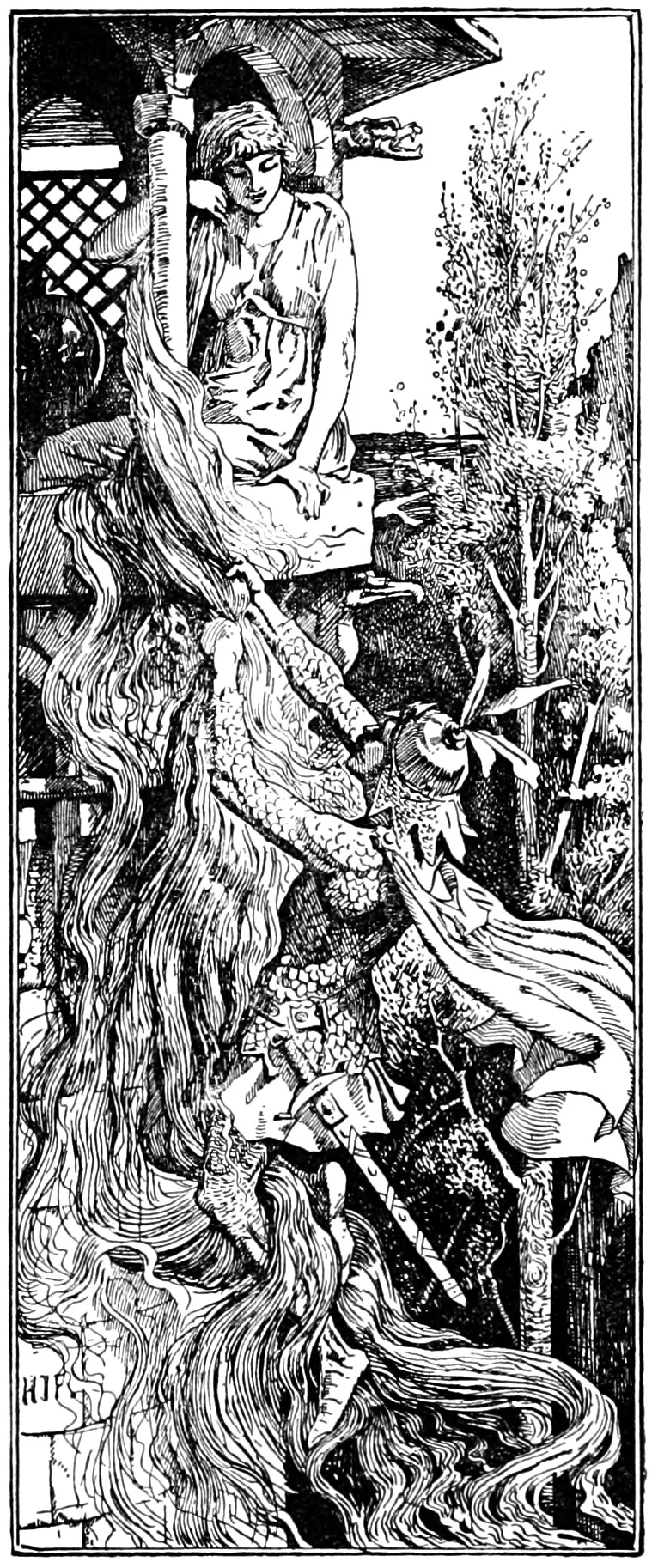
Image from Wikipedia
Image from Wikipedia
Rapunzel – From the Brothers Grimm Fairy Tale to an Icon of Music and Pop Culture
How a Literary Heroine Conquered Stages, Screens, and Soundtracks
Rapunzel is one of the most distinctive figures in European storytelling tradition: as a fairy tale heroine of the Brothers Grimm (KHM 12), she combines mythical imagery with universal themes such as freedom, identity, and self-empowerment. For over two centuries, her tale has inspired composers, librettists, musical creators, and film composers to new interpretations. This artist biography, in a cultural journalistic sense, traces Rapunzel's artistic development in music, stage, and film, situates her within the history of music, and shows how her character became a canvas for modern pop and film music. This creates a panorama for music lovers that includes discography, composition, arrangement, and reception – grounded, captivating, and deeply rooted in the canon.
Origins and Fairy Tale: From the Tower to Cultural Memory
The Grimm fairy tale was first published in 1812 in the first volume of Kinder- und Hausmärchen and is classified as the international type ATU 310 ("Maiden in the Tower"). With this, the Grimms anchored a tale that had already circulated in older Italian and French variants, tracing back to sources like Giambattista Basile’s "Petrosinella." The iconic image of golden hair being let down from the tower shaped not just illustration art but also became a musically charged symbol of longing, liberation, and voice – ideal themes for song, leitmotifs, and orchestral color.
Musically, the contrasts of the fairy tale – contained intimacy in the tower versus vast, dangerous outside – provide a rich field for sound dramaturgy: From chamber music intimacy to symphonic expansiveness, keys, tempos, and instrumentation can be arranged to audibly depict Rapunzel's internal and external journey. This narrative musicality explains why the tale is regularly reinterpreted in opera, ballet, musicals, and film scores.
Rapunzel on the Musical Stage: Sondheim's Sound Dramatic Funhouse
Stephen Sondheim's musical "Into the Woods" (1986/87) is a key work for Rapunzel's stage presence. The piece intertwines several Grimm fairy tales and portrays Rapunzel's journey as a psychologically complex coming-of-age narrative. Sondheim's composition and Lapine’s book confront the character with questions of autonomy, dependency, and the ambivalence of parental care – themes that are musically manifested in contrapuntal structures, uneven phrase lengths, and harmonic shifts. In specific versions, a duet between the witch and Rapunzel serves as a dramatic bottleneck: a dense, dialogical number that employs vocal colors, register changes, and dynamic intensifications to illuminate power and affection simultaneously.
The stage practice impressively demonstrates how Rapunzel's role is shaped vocally: A lyrical soprano with a bright, capable head voice, secure intonation in demanding intervals, and slim phrasing carries the musical semantics of purity and longing – in contrast to the darker colors of the witch character or the heroically drawn lines of the princes. In recent productions, direction often emphasizes agency and self-determination; musically, this is reflected in articulate clarity, more agile tempos, and precise text comprehensibility.
From Fairy Tale Film to Pop Phenomenon: "Tangled" and the Renaissance of the Ballad
With Disney's animated film "Tangled" (2010), the character gained new global resonance. The film music by Alan Menken (composition) and Glenn Slater (lyrics) combines classic musical tradition with contemporary pop appeal. The songs feature catchy hook lines, clearly structured choruses, and orchestral warmth, while the underscore score responds thematically to Rapunzel's emotions. The musical production focuses on transparent mixes of acoustic instruments, subtle rhythmic patterns, and a vocal delivery that prioritizes narrative clarity over vocal virtuosity.
At the center is the ballad "I See the Light," in which Rapunzel and Flynn find inner clarity in a poetic setting. Harmonically, the title employs modal shades and gentle stepwise progressions that create a sense of floating expectation before the cadence confirms the moment of realization. This arrangement balances intimacy and expansiveness – an ideal blueprint for timeless film ballads that thrive both in theaters and on streaming platforms.
Awards, Chart Performance, and Discography: Authority through Awards and Public Success
"I See the Light" anchored Rapunzel's musical aura with an impressive award tally in the cultural history of film music. The song won a Grammy for "Best Song Written for Visual Media" and was previously nominated for an Oscar and a Golden Globe in the "Best Original Song" category. These awards highlight the intersection of artistic quality and mass resonance – a central building block for the authority of the Rapunzel cosmos within modern film music.
The soundtrack album also registered notable chart movements, including placements on the US Billboard charts for soundtracks and album charts. In the character’s discography, these releases mark a peak in popular reception: In addition to the original version, there are international versions, stage adaptations ("Tangled: The Musical"), and TV series with their own song repertoire. Together, they form a substantial corpus that is continuously received, from collector editions to streaming playlists.
Style Analysis: Composition, Arrangement, and Artistic Development
The musical language surrounding Rapunzel works with significant parameters: melodic motifs of longing (ascending minor thirds, elongated phrase endings), shifting harmonies between major brightness and minor shadows, and layers of arrangements that prominently feature harp, woodwinds, and delicate strings. This sound design evokes light, air, and openness – qualities that reinforce the symbolism of the long hair and lantern imagery. In dramatic moments, deep strings, muted brass colors, and tighter vocal leads create a musical representation of claustrophobia and inner turmoil.
In the musical context of Sondheim, metric nuances come into play: displaced accents, syncopated word-tone relationships, and harmonic detours that illustrate psychological ambivalence. In Menken's pop ballad aesthetic, however, clear periodicity predominates with a narratively driven tension arc – a production approach that favors radio and streaming suitability without sacrificing orchestral richness. Together, these poles illustrate the artistic evolution from an archetypal fairy tale figure to a musically complex, multi-voiced icon.
Cultural Impact: From the Opera Stage to Series Formats
Rapunzel's presence in the musical theater landscape remains robust: stage versions, touring productions, and new interpretations of "Into the Woods" emphasize recurring accents in the repertoire, with the character serving as a mirror of familial dynamics and societal expectations. Meanwhile, formats like "Tangled: The Musical" transfer the film music into a live setting – with choreographed arrangements, precise vocal direction, and dramatic condensation for the stage. This translation from screen to stage demonstrates the flexibility of the material and its suitability for different performance practices.
Additionally, the TV series "Rapunzel’s Tangled Adventure" opens the door to serial composition: recurring themes, varied reprises, and episodic songs create a musical universe that accompanies character development over the long term. These production techniques – from thematic world-building to character-bound leitmotifs – strengthen the connection of a broad audience to sound and narrative.
Current Developments: New Adaptations and the Dynamics of the Franchise
Recently, indications have intensified regarding a renewed, large-scale engagement with the Rapunzel material in live-action form. Casting announcements and production reports make it clear that the character as a brand and artistic projection surface continues to expand. For music, this means: new commissioned compositions, rearrangements of familiar themes, and the possibility of recalibrating the sound language between orchestral opulence and contemporary pop aesthetics.
For music lovers, this opens another avenue to the character – possibly featuring fresh song cycles, expanded motifs, and a modernized production aesthetic. With each new project, Rapunzel's musical DNA gets updated: the combination of narrative core and formal renewal ensures that the character remains present in repertoires, playlists, and concert programs.
Placement in the Canon: Why Rapunzel Inspires Musicians
Rapunzel's cultural radiance results from a dense connection of image, voice, and movement: The visual leitmotif of hair translates organically into vocal lines, the motif of lanterns into vibrant sound colors, and the tower into architectural form metaphors of composition. This synesthesia creates a canvas that works from the romantic aria to the pop ballad. At the same time, the motif of self-discovery allows for diverse, even postmodern interpretations – ideal for composers who work with hybrid genres, cross-media arrangements, and dramatic reflections.
Today, Rapunzel exemplifies the artistic development of fairy tale materials in music history: from folk heritage to curated stage aesthetics, from studio score to streaming icon, from linear narration to serial depth. Her music career in a broader sense – understood as a chain of adaptations, interpretations, and performances – documents the adaptability of archetypal narratives in the mirror of modern sound cultures.
Conclusion: A Voice That Resonates
Rapunzel fascinates because her story remains translatable into sound: longing and courage, confinement and departure, dream and realization – all of this makes her enduringly musically accessible. Whether as a Sondheim character with psychological depth or as a Menken ballad heroine with global reach: Rapunzel demonstrates how fairy tales artistically breathe in the 21st century. Those who wish to experience this development live should attend the next production of “Into the Woods” or experience a stage version of the Tangled universe – where voice, orchestra, and light once again bring the fairy tale to life.
Official Channels of Rapunzel:
- Instagram: No official profile found
- Facebook: No official profile found
- YouTube: No official profile found
- Spotify: No official profile found
- TikTok: No official profile found
Sources:
- Wikipedia (DE) – Rapunzel (KHM 12)
- Wikipedia (EN) – Rapunzel
- Wikipedia (EN) – “I See the Light” (Song, Awards)
- Wikipedia (DE) – “I See the Light” (Nominations, Grammy 2012)
- Wikipedia (EN) – Tangled (Soundtrack), Charts and Reception
- Official Charts – Tangled (Soundtrack) Chart History UK
- Sondheim Guide – Into the Woods (Background, Numbers, Productions)
- Into the Woods Broadway – Official Site (Cast, Productions)
- Disney Video – Rapunzel Content
- Disney On Ice – Tangled Extended Sneak Peek
- Wikipedia (EN) – Into the Woods (Musical)
- AP News – Live-Action “Tangled” Casting News (January 2026)
- MusicBrainz – Rapunzel: Neu Verföhnt (German Soundtrack Version)
- KHM.li – Versions of “Rapunzel” (First Publication 1812)
- Wikipedia: Image and text source