
Bad Kissingen
Ludwigstraße 2, 97688 Bad Kissingen, Deutschland
Regentenbau Bad Kissingen | Events & Tickets
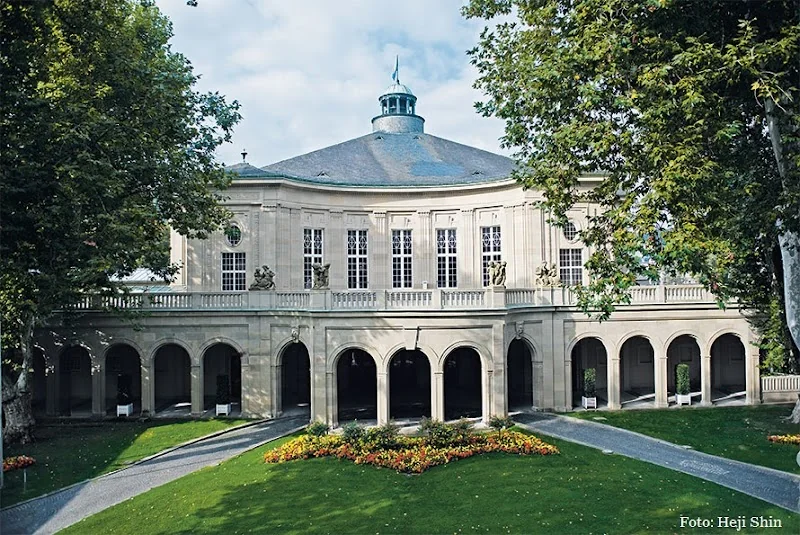
The Regentenbau is the magnificent heart of the spa ensemble in Bad Kissingen and is one of the most well-known cultural addresses in the city. As the youngest of the historical Kissinger spa buildings, it combines representative architecture, high quality of stay, and a vibrant event culture. The building was commissioned by Prince Regent Luitpold, designed by Max Littmann, and inaugurated in 1913 in the presence of Ludwig III. Today, the Regentenbau is not only a significant landmark in the UNESCO World Heritage site but also a place where concerts, tours, matinees, weddings, conferences, and festive receptions naturally come together. Those searching for Regentenbau Bad Kissingen, tickets, programs, or today will find a location that does not display history but makes it palpable in everyday life. The combination of classicizing Art Nouveau, smart spatial concepts, and acoustic excellence makes the visit equally attractive for cultural travelers, organizers, and private guests. ([welterbe.badkissingen.de](https://welterbe.badkissingen.de/welterbe-bad-kissingen/sehenswuerdigkeiten/41607.Regentenbau.html))
Events, Programs, and Tickets at the Regentenbau
The search queries related to Regentenbau Bad Kissingen events, programs, tickets, and today clearly show what visitors look at first: What is currently happening, how do I get tickets, and what formats take place in the various halls? Officially, the event calendar of the city of Bad Kissingen consolidates the annual program and points out that the information is provided without guarantee and is subject to change. Concerts, tours, artist talks, matinees, and other cultural appointments in different halls of the building appear there. The Tourist Information Arkadenbau, located directly in the spa garden, is the central point of contact for advice, brochures, and ticket information; it is open daily from 9:30 AM to 5:30 PM and refers to phone and email for questions about tickets and information. Thus, the Regentenbau is not only a venue but also a well-organized cultural hub with clear paths for visitors who want to plan their stay without detours. ([badkissingen.de](https://www.badkissingen.de/kultur/veranstaltungskalender/?utm_source=openai))
The program becomes particularly visible through the regularly recurring formats in the house. The official event announcement includes concert introductions that take place every Friday afternoon at 5 PM in the Green Hall and prepare for the respective evening concert as well as for other concerts of the weekend. Other official program points such as matinees in the White Hall or tours through the Regentenbau, Arkadenbau, and Wandelhalle show that the Regentenbau is used far beyond the classic concert evening. For the SEO search for Regentenbau today or Regentenbau Bad Kissingen events today, it is crucial: The house thrives on a mix of music culture, knowledge transfer, and elegant event formats. Those looking for tickets will often find information on advance sales, box office, or direct contact to the Tourist Information in the official dates. Thus, a pure search query becomes a concrete visitor path: check the program, select a date, secure tickets, and start the evening in the spa garden. ([badkissingen.de](https://www.badkissingen.de/kultur/veranstaltungskalender?ev%5Bid%5D=110269&utm_source=openai))
Parking and Access to the Regentenbau
Regarding parking at Regentenbau Bad Kissingen, the central location is an advantage because the city of Bad Kissingen has explicitly designed its downtown parking concept for short distances and various parking needs. According to the city overview, there are about 700 free parking spaces approximately ten to 15 minutes on foot from the city center, as well as around 500 inexpensive parking spaces in immediate proximity to the city center with fees starting from 1 Euro per day. Additionally, there are short-term parking spaces and parking garages at the Kurtheater and in the center, operated by the municipal utilities. For visitors specifically heading to the Regentenbau, this is important because the journey can be flexibly planned depending on the duration of stay and time of day. Those planning only a short visit or a tour can rely more on central short-term options; those staying longer will find suitable alternatives in the city center and nearby parking areas. ([badkissingen.de](https://www.badkissingen.de/information/parken/39667.Parken-im-Stadtgebiet-Bad-Kissingen.html))
A current seating plan for the Max-Littmann-Saal explicitly indicates parking spaces P8, P11, and P12 about 500 meters away, as well as P6 and P7 about 700 meters away. This is a useful hint because the Regentenbau is visited differently depending on the event and seating arrangement, and visitors with tickets for concerts or shows can check early which parking option fits best. Furthermore, the official city website shows that Bad Kissingen deliberately keeps its city center traffic-calmed yet easily accessible. Practically, this means for access: Those coming from the direction of the train station, city center, or spa district move in a dense but well-signposted environment with parking garages, inexpensive day parking, and pedestrian access. Especially for evening events at the Regentenbau, it is worthwhile to take a quick look at the respective event page or seating plan so that the visit can start relaxed and not with parking searches. ([kissingersommer.de](https://www.kissingersommer.de/media/www.kissingersommer.de/org/med_20862/168240_max-littmann-saal.pdf))
Max-Littmann-Saal, Seating Plan, and Capacity
The Max-Littmann-Saal is the centerpiece of the Regentenbau and the reason why the name Regentenbau Bad Kissingen is so strongly associated with acoustics, representation, and special live moments in the concert scene. According to city information, the large festival hall measures approximately 36.5 by 18 meters and is 16 meters high. It is completely wood-paneled, with the side walls made of polished cherry wood with ebony inlays, and the ceiling made of spruce wood. Together, this not only creates an impressive spatial effect but primarily provides the excellent acoustics for which the hall is famous. In the official description, it is referred to as one of the most outstanding concert halls in the world. The capacity is also remarkable: the hall accommodates around 1,200 visitors. Thus, it is large enough for symphony concerts, tribute shows, festivals, and congresses, yet remains so intimate that the stage and fine acoustic nuances are also perceptible from the back rows. ([badkissingen.de](https://www.badkissingen.de/media/www.badkissingen.de/org/med_18400/121203_regentenbau_sgi_2021_12seiten_k3.pdf))
Particularly interesting for the search query Regentenbau Bad Kissingen seating plan is the flexible use of the space. The longitudinal sides of the Max-Littmann-Saal can be opened via four-wing folding doors hidden in the pillars. This allows the hall to be connected with adjacent rooms and expanded in its use. This architectural idea is not only practical but also explains why the Regentenbau functions so versatilely for events with different audience sizes. The official World Heritage site also emphasizes that the main hall is among the best concert halls in Europe and that the cherry wood paneling is responsible for the extraordinary sound quality. In practice, this means: The Max-Littmann-Saal is not an interchangeable event space but an acoustically and architecturally precisely designed stage for high-quality culture. Those searching for Regentenbau Max Littmann Saal usually want exactly this mix of size, sound, and representation. ([badkissingen.de](https://www.badkissingen.de/media/www.badkissingen.de/org/med_18400/121203_regentenbau_sgi_2021_12seiten_k3.pdf))
Weddings, Rentals, and Representative Rooms in the Regentenbau
Even regarding Regentenbau Bad Kissingen weddings and Regentenbau Bad Kissingen rentals, it becomes clear how strongly the house is thought beyond mere concert use. The city of Bad Kissingen explicitly points out that the rooms in the Regentenbau can be booked for weddings and special occasions. The White Hall, the Green Hall, and the Salon Fontane are particularly mentioned. The White Hall is today a representative setting for matinees, lectures, conferences, and weddings. It is executed in white stucco and adorned with mirrors, fireplaces made of Skyros marble, and gilded grilles. The Green Hall, originally designed as a music room, is now used as a conference and lecture hall and serves as a spatial complement to the Max-Littmann-Saal for galas, balls, and congresses. Therefore, those looking for an elegant, historically influenced backdrop for a celebration will find an extraordinary combination of style, history, and functional use in the Regentenbau. ([badkissingen.de](https://www.badkissingen.de/media/www.badkissingen.de/org/med_18400/121203_regentenbau_sgi_2021_12seiten_k3.pdf))
For weddings, the spatial qualities of Salon Fontane and Salon am Schmuckhof are also exciting. According to the city website, Salon Fontane offers a magnificent view of the Saale and the Luitpoldpark, while the room opens with its generous window front to the Schmuckhof, the Italian-style courtyard of the Regentenbau. The Salon am Schmuckhof, in turn, is described in the city information as a lecture and seminar room and is often used for festive buffets during balls in the Max-Littmann-Saal. This shows that the Regentenbau does not only provide individual halls but a whole sequence of interconnected experiential spaces. For renters, it is also important that the city points out that booking the rooms in the Regentenbau is only possible up to two weeks before the date and only as long as the rooms are available. Therefore, those planning a wedding or a private event should inquire early enough and not postpone coordination with the registry office or city booking. ([badkissingen.de](https://www.badkissingen.de/stadt/behoerdenwegweiser/stdtische-fachbereiche/standesamt/heiraten-in-bad-kissingen?utm_source=openai))
History, Architecture, and Acoustics
The history of the Regentenbau is closely linked to the development of Bad Kissingen as a spa and cultural destination. By the end of the 19th century, the number of guests had increased so significantly that the Kursaal built in 1838 by Friedrich von Gärtner became too small. Consequently, a new festival hall building was to be created that could traditionally offer spaces for dancing, concerts, and games, for reading and writing, as well as for gastronomy. Planning for the Regentenbau began in 1910; on August 11, 1911, Prince Regent Luitpold approved the design by Max Littmann. After a short construction period, the new house could be inaugurated on May 15, 1913, in the presence of Ludwig III. The construction costs amounted to 3.4 million marks. It is particularly important that Littmann planned the new building while preserving the arcades and the old Kursaal, connecting old and new components in such a way that they appear as one from the outside. This symbiosis of history and progress makes the Regentenbau so unique to this day. ([badkissingen.de](https://www.badkissingen.de/media/www.badkissingen.de/org/med_18400/121203_regentenbau_sgi_2021_12seiten_k3.pdf))
Architecturally, the Regentenbau belongs to the classicizing Art Nouveau and is the youngest of the Kissinger spa buildings. The World Heritage site describes two curved facades with monumental columns and emphasizes how skillfully Max Littmann integrated the building into the surroundings with the Arkadenbau. The interior spaces also follow this principle of tailored design: foyer, hall, green and white hall, Schmuckhof, and other side rooms are not arbitrarily decorated but tailored to their respective function. The Regentenbau was extensively restored between 2003 and 2005; the city information also mentions a general renovation of the building complex between 1998 and 2005, during which building technology, media and stage technology, as well as statics and fire protection were brought up to current standards. For visitors, this means a historic ambiance that does not feel museum-like but is technically and atmospherically ready for today's events. ([welterbe.badkissingen.de](https://welterbe.badkissingen.de/welterbe-bad-kissingen/sehenswuerdigkeiten/41607.Regentenbau.html))
Tour, Photos, and Visitor Information
Those searching for Regentenbau photos or Regentenbau today usually want to gain an impression of the rooms and atmosphere, not just read data. The official tour through the Regentenbau, Arkadenbau, and Wandelhalle is perfect for this. The visitor route starts at the entrance of the Regentenbau, leads through the foyer of the Max-Littmann-Saal into the Green Hall, continues into the Max-Littmann-Saal with a view of the stage and royal box, and then goes through the White Hall into the Ladies' Room and the Salon am Schmuckhof. After that, it continues to the Tourist Information and finally to the spa garden. Along the way, a glance into the Rossini-Saal is also possible, and the subsequent visit to the Wandel- and Brunnenhalle rounds off the impression of the historical spa ensemble. In the Max-Littmann-Saal, visitors can even use VR glasses to discover new perspectives. This is an unusually modern form of mediation for a place with so much history. ([badkissingen.de](https://www.badkissingen.de/kultur/veranstaltungskalender?ev%5Bid%5D=131840&utm_source=openai))
Especially for visitors who want to create a coherent overall picture, the location at the spa garden is crucial. The Regentenbau is not isolated but forms a complex together with the Arkadenbau and Wandelhalle, which is understood as a central component of the historical spa culture in the UNESCO World Heritage site. The World Heritage site describes the Regentenbau as firmly connected to the Arkadenbau and highlights the first-class acoustics of the main hall; the Rossini-Saal complements the historical perspective as a former Kursaal, which is now a concert and event hall. For the visit itself, the official information for the tour states an entrance fee of 7 Euros per person, while the Wandel- and Brunnenhalle is freely accessible daily from 7 AM to 6 PM, outside of concert and healing water distribution times. Therefore, those who want to experience Regentenbau Bad Kissingen not only to book but to experience will find a place where architecture, art, spa history, and modern visitor guidance come together closely. ([badkissingen.de](https://www.badkissingen.de/kultur/veranstaltungskalender?ev%5Bid%5D=131840&utm_source=openai))
Sources:
The following official pages and documents were used for architecture, use, parking, booking, and event information. ([welterbe.badkissingen.de](https://welterbe.badkissingen.de/welterbe-bad-kissingen/sehenswuerdigkeiten/41607.Regentenbau.html))
Show moreShow less
Regentenbau Bad Kissingen | Events & Tickets
The Regentenbau is the magnificent heart of the spa ensemble in Bad Kissingen and is one of the most well-known cultural addresses in the city. As the youngest of the historical Kissinger spa buildings, it combines representative architecture, high quality of stay, and a vibrant event culture. The building was commissioned by Prince Regent Luitpold, designed by Max Littmann, and inaugurated in 1913 in the presence of Ludwig III. Today, the Regentenbau is not only a significant landmark in the UNESCO World Heritage site but also a place where concerts, tours, matinees, weddings, conferences, and festive receptions naturally come together. Those searching for Regentenbau Bad Kissingen, tickets, programs, or today will find a location that does not display history but makes it palpable in everyday life. The combination of classicizing Art Nouveau, smart spatial concepts, and acoustic excellence makes the visit equally attractive for cultural travelers, organizers, and private guests. ([welterbe.badkissingen.de](https://welterbe.badkissingen.de/welterbe-bad-kissingen/sehenswuerdigkeiten/41607.Regentenbau.html))
Events, Programs, and Tickets at the Regentenbau
The search queries related to Regentenbau Bad Kissingen events, programs, tickets, and today clearly show what visitors look at first: What is currently happening, how do I get tickets, and what formats take place in the various halls? Officially, the event calendar of the city of Bad Kissingen consolidates the annual program and points out that the information is provided without guarantee and is subject to change. Concerts, tours, artist talks, matinees, and other cultural appointments in different halls of the building appear there. The Tourist Information Arkadenbau, located directly in the spa garden, is the central point of contact for advice, brochures, and ticket information; it is open daily from 9:30 AM to 5:30 PM and refers to phone and email for questions about tickets and information. Thus, the Regentenbau is not only a venue but also a well-organized cultural hub with clear paths for visitors who want to plan their stay without detours. ([badkissingen.de](https://www.badkissingen.de/kultur/veranstaltungskalender/?utm_source=openai))
The program becomes particularly visible through the regularly recurring formats in the house. The official event announcement includes concert introductions that take place every Friday afternoon at 5 PM in the Green Hall and prepare for the respective evening concert as well as for other concerts of the weekend. Other official program points such as matinees in the White Hall or tours through the Regentenbau, Arkadenbau, and Wandelhalle show that the Regentenbau is used far beyond the classic concert evening. For the SEO search for Regentenbau today or Regentenbau Bad Kissingen events today, it is crucial: The house thrives on a mix of music culture, knowledge transfer, and elegant event formats. Those looking for tickets will often find information on advance sales, box office, or direct contact to the Tourist Information in the official dates. Thus, a pure search query becomes a concrete visitor path: check the program, select a date, secure tickets, and start the evening in the spa garden. ([badkissingen.de](https://www.badkissingen.de/kultur/veranstaltungskalender?ev%5Bid%5D=110269&utm_source=openai))
Parking and Access to the Regentenbau
Regarding parking at Regentenbau Bad Kissingen, the central location is an advantage because the city of Bad Kissingen has explicitly designed its downtown parking concept for short distances and various parking needs. According to the city overview, there are about 700 free parking spaces approximately ten to 15 minutes on foot from the city center, as well as around 500 inexpensive parking spaces in immediate proximity to the city center with fees starting from 1 Euro per day. Additionally, there are short-term parking spaces and parking garages at the Kurtheater and in the center, operated by the municipal utilities. For visitors specifically heading to the Regentenbau, this is important because the journey can be flexibly planned depending on the duration of stay and time of day. Those planning only a short visit or a tour can rely more on central short-term options; those staying longer will find suitable alternatives in the city center and nearby parking areas. ([badkissingen.de](https://www.badkissingen.de/information/parken/39667.Parken-im-Stadtgebiet-Bad-Kissingen.html))
A current seating plan for the Max-Littmann-Saal explicitly indicates parking spaces P8, P11, and P12 about 500 meters away, as well as P6 and P7 about 700 meters away. This is a useful hint because the Regentenbau is visited differently depending on the event and seating arrangement, and visitors with tickets for concerts or shows can check early which parking option fits best. Furthermore, the official city website shows that Bad Kissingen deliberately keeps its city center traffic-calmed yet easily accessible. Practically, this means for access: Those coming from the direction of the train station, city center, or spa district move in a dense but well-signposted environment with parking garages, inexpensive day parking, and pedestrian access. Especially for evening events at the Regentenbau, it is worthwhile to take a quick look at the respective event page or seating plan so that the visit can start relaxed and not with parking searches. ([kissingersommer.de](https://www.kissingersommer.de/media/www.kissingersommer.de/org/med_20862/168240_max-littmann-saal.pdf))
Max-Littmann-Saal, Seating Plan, and Capacity
The Max-Littmann-Saal is the centerpiece of the Regentenbau and the reason why the name Regentenbau Bad Kissingen is so strongly associated with acoustics, representation, and special live moments in the concert scene. According to city information, the large festival hall measures approximately 36.5 by 18 meters and is 16 meters high. It is completely wood-paneled, with the side walls made of polished cherry wood with ebony inlays, and the ceiling made of spruce wood. Together, this not only creates an impressive spatial effect but primarily provides the excellent acoustics for which the hall is famous. In the official description, it is referred to as one of the most outstanding concert halls in the world. The capacity is also remarkable: the hall accommodates around 1,200 visitors. Thus, it is large enough for symphony concerts, tribute shows, festivals, and congresses, yet remains so intimate that the stage and fine acoustic nuances are also perceptible from the back rows. ([badkissingen.de](https://www.badkissingen.de/media/www.badkissingen.de/org/med_18400/121203_regentenbau_sgi_2021_12seiten_k3.pdf))
Particularly interesting for the search query Regentenbau Bad Kissingen seating plan is the flexible use of the space. The longitudinal sides of the Max-Littmann-Saal can be opened via four-wing folding doors hidden in the pillars. This allows the hall to be connected with adjacent rooms and expanded in its use. This architectural idea is not only practical but also explains why the Regentenbau functions so versatilely for events with different audience sizes. The official World Heritage site also emphasizes that the main hall is among the best concert halls in Europe and that the cherry wood paneling is responsible for the extraordinary sound quality. In practice, this means: The Max-Littmann-Saal is not an interchangeable event space but an acoustically and architecturally precisely designed stage for high-quality culture. Those searching for Regentenbau Max Littmann Saal usually want exactly this mix of size, sound, and representation. ([badkissingen.de](https://www.badkissingen.de/media/www.badkissingen.de/org/med_18400/121203_regentenbau_sgi_2021_12seiten_k3.pdf))
Weddings, Rentals, and Representative Rooms in the Regentenbau
Even regarding Regentenbau Bad Kissingen weddings and Regentenbau Bad Kissingen rentals, it becomes clear how strongly the house is thought beyond mere concert use. The city of Bad Kissingen explicitly points out that the rooms in the Regentenbau can be booked for weddings and special occasions. The White Hall, the Green Hall, and the Salon Fontane are particularly mentioned. The White Hall is today a representative setting for matinees, lectures, conferences, and weddings. It is executed in white stucco and adorned with mirrors, fireplaces made of Skyros marble, and gilded grilles. The Green Hall, originally designed as a music room, is now used as a conference and lecture hall and serves as a spatial complement to the Max-Littmann-Saal for galas, balls, and congresses. Therefore, those looking for an elegant, historically influenced backdrop for a celebration will find an extraordinary combination of style, history, and functional use in the Regentenbau. ([badkissingen.de](https://www.badkissingen.de/media/www.badkissingen.de/org/med_18400/121203_regentenbau_sgi_2021_12seiten_k3.pdf))
For weddings, the spatial qualities of Salon Fontane and Salon am Schmuckhof are also exciting. According to the city website, Salon Fontane offers a magnificent view of the Saale and the Luitpoldpark, while the room opens with its generous window front to the Schmuckhof, the Italian-style courtyard of the Regentenbau. The Salon am Schmuckhof, in turn, is described in the city information as a lecture and seminar room and is often used for festive buffets during balls in the Max-Littmann-Saal. This shows that the Regentenbau does not only provide individual halls but a whole sequence of interconnected experiential spaces. For renters, it is also important that the city points out that booking the rooms in the Regentenbau is only possible up to two weeks before the date and only as long as the rooms are available. Therefore, those planning a wedding or a private event should inquire early enough and not postpone coordination with the registry office or city booking. ([badkissingen.de](https://www.badkissingen.de/stadt/behoerdenwegweiser/stdtische-fachbereiche/standesamt/heiraten-in-bad-kissingen?utm_source=openai))
History, Architecture, and Acoustics
The history of the Regentenbau is closely linked to the development of Bad Kissingen as a spa and cultural destination. By the end of the 19th century, the number of guests had increased so significantly that the Kursaal built in 1838 by Friedrich von Gärtner became too small. Consequently, a new festival hall building was to be created that could traditionally offer spaces for dancing, concerts, and games, for reading and writing, as well as for gastronomy. Planning for the Regentenbau began in 1910; on August 11, 1911, Prince Regent Luitpold approved the design by Max Littmann. After a short construction period, the new house could be inaugurated on May 15, 1913, in the presence of Ludwig III. The construction costs amounted to 3.4 million marks. It is particularly important that Littmann planned the new building while preserving the arcades and the old Kursaal, connecting old and new components in such a way that they appear as one from the outside. This symbiosis of history and progress makes the Regentenbau so unique to this day. ([badkissingen.de](https://www.badkissingen.de/media/www.badkissingen.de/org/med_18400/121203_regentenbau_sgi_2021_12seiten_k3.pdf))
Architecturally, the Regentenbau belongs to the classicizing Art Nouveau and is the youngest of the Kissinger spa buildings. The World Heritage site describes two curved facades with monumental columns and emphasizes how skillfully Max Littmann integrated the building into the surroundings with the Arkadenbau. The interior spaces also follow this principle of tailored design: foyer, hall, green and white hall, Schmuckhof, and other side rooms are not arbitrarily decorated but tailored to their respective function. The Regentenbau was extensively restored between 2003 and 2005; the city information also mentions a general renovation of the building complex between 1998 and 2005, during which building technology, media and stage technology, as well as statics and fire protection were brought up to current standards. For visitors, this means a historic ambiance that does not feel museum-like but is technically and atmospherically ready for today's events. ([welterbe.badkissingen.de](https://welterbe.badkissingen.de/welterbe-bad-kissingen/sehenswuerdigkeiten/41607.Regentenbau.html))
Tour, Photos, and Visitor Information
Those searching for Regentenbau photos or Regentenbau today usually want to gain an impression of the rooms and atmosphere, not just read data. The official tour through the Regentenbau, Arkadenbau, and Wandelhalle is perfect for this. The visitor route starts at the entrance of the Regentenbau, leads through the foyer of the Max-Littmann-Saal into the Green Hall, continues into the Max-Littmann-Saal with a view of the stage and royal box, and then goes through the White Hall into the Ladies' Room and the Salon am Schmuckhof. After that, it continues to the Tourist Information and finally to the spa garden. Along the way, a glance into the Rossini-Saal is also possible, and the subsequent visit to the Wandel- and Brunnenhalle rounds off the impression of the historical spa ensemble. In the Max-Littmann-Saal, visitors can even use VR glasses to discover new perspectives. This is an unusually modern form of mediation for a place with so much history. ([badkissingen.de](https://www.badkissingen.de/kultur/veranstaltungskalender?ev%5Bid%5D=131840&utm_source=openai))
Especially for visitors who want to create a coherent overall picture, the location at the spa garden is crucial. The Regentenbau is not isolated but forms a complex together with the Arkadenbau and Wandelhalle, which is understood as a central component of the historical spa culture in the UNESCO World Heritage site. The World Heritage site describes the Regentenbau as firmly connected to the Arkadenbau and highlights the first-class acoustics of the main hall; the Rossini-Saal complements the historical perspective as a former Kursaal, which is now a concert and event hall. For the visit itself, the official information for the tour states an entrance fee of 7 Euros per person, while the Wandel- and Brunnenhalle is freely accessible daily from 7 AM to 6 PM, outside of concert and healing water distribution times. Therefore, those who want to experience Regentenbau Bad Kissingen not only to book but to experience will find a place where architecture, art, spa history, and modern visitor guidance come together closely. ([badkissingen.de](https://www.badkissingen.de/kultur/veranstaltungskalender?ev%5Bid%5D=131840&utm_source=openai))
Sources:
The following official pages and documents were used for architecture, use, parking, booking, and event information. ([welterbe.badkissingen.de](https://welterbe.badkissingen.de/welterbe-bad-kissingen/sehenswuerdigkeiten/41607.Regentenbau.html))
Regentenbau Bad Kissingen | Events & Tickets
The Regentenbau is the magnificent heart of the spa ensemble in Bad Kissingen and is one of the most well-known cultural addresses in the city. As the youngest of the historical Kissinger spa buildings, it combines representative architecture, high quality of stay, and a vibrant event culture. The building was commissioned by Prince Regent Luitpold, designed by Max Littmann, and inaugurated in 1913 in the presence of Ludwig III. Today, the Regentenbau is not only a significant landmark in the UNESCO World Heritage site but also a place where concerts, tours, matinees, weddings, conferences, and festive receptions naturally come together. Those searching for Regentenbau Bad Kissingen, tickets, programs, or today will find a location that does not display history but makes it palpable in everyday life. The combination of classicizing Art Nouveau, smart spatial concepts, and acoustic excellence makes the visit equally attractive for cultural travelers, organizers, and private guests. ([welterbe.badkissingen.de](https://welterbe.badkissingen.de/welterbe-bad-kissingen/sehenswuerdigkeiten/41607.Regentenbau.html))
Events, Programs, and Tickets at the Regentenbau
The search queries related to Regentenbau Bad Kissingen events, programs, tickets, and today clearly show what visitors look at first: What is currently happening, how do I get tickets, and what formats take place in the various halls? Officially, the event calendar of the city of Bad Kissingen consolidates the annual program and points out that the information is provided without guarantee and is subject to change. Concerts, tours, artist talks, matinees, and other cultural appointments in different halls of the building appear there. The Tourist Information Arkadenbau, located directly in the spa garden, is the central point of contact for advice, brochures, and ticket information; it is open daily from 9:30 AM to 5:30 PM and refers to phone and email for questions about tickets and information. Thus, the Regentenbau is not only a venue but also a well-organized cultural hub with clear paths for visitors who want to plan their stay without detours. ([badkissingen.de](https://www.badkissingen.de/kultur/veranstaltungskalender/?utm_source=openai))
The program becomes particularly visible through the regularly recurring formats in the house. The official event announcement includes concert introductions that take place every Friday afternoon at 5 PM in the Green Hall and prepare for the respective evening concert as well as for other concerts of the weekend. Other official program points such as matinees in the White Hall or tours through the Regentenbau, Arkadenbau, and Wandelhalle show that the Regentenbau is used far beyond the classic concert evening. For the SEO search for Regentenbau today or Regentenbau Bad Kissingen events today, it is crucial: The house thrives on a mix of music culture, knowledge transfer, and elegant event formats. Those looking for tickets will often find information on advance sales, box office, or direct contact to the Tourist Information in the official dates. Thus, a pure search query becomes a concrete visitor path: check the program, select a date, secure tickets, and start the evening in the spa garden. ([badkissingen.de](https://www.badkissingen.de/kultur/veranstaltungskalender?ev%5Bid%5D=110269&utm_source=openai))
Parking and Access to the Regentenbau
Regarding parking at Regentenbau Bad Kissingen, the central location is an advantage because the city of Bad Kissingen has explicitly designed its downtown parking concept for short distances and various parking needs. According to the city overview, there are about 700 free parking spaces approximately ten to 15 minutes on foot from the city center, as well as around 500 inexpensive parking spaces in immediate proximity to the city center with fees starting from 1 Euro per day. Additionally, there are short-term parking spaces and parking garages at the Kurtheater and in the center, operated by the municipal utilities. For visitors specifically heading to the Regentenbau, this is important because the journey can be flexibly planned depending on the duration of stay and time of day. Those planning only a short visit or a tour can rely more on central short-term options; those staying longer will find suitable alternatives in the city center and nearby parking areas. ([badkissingen.de](https://www.badkissingen.de/information/parken/39667.Parken-im-Stadtgebiet-Bad-Kissingen.html))
A current seating plan for the Max-Littmann-Saal explicitly indicates parking spaces P8, P11, and P12 about 500 meters away, as well as P6 and P7 about 700 meters away. This is a useful hint because the Regentenbau is visited differently depending on the event and seating arrangement, and visitors with tickets for concerts or shows can check early which parking option fits best. Furthermore, the official city website shows that Bad Kissingen deliberately keeps its city center traffic-calmed yet easily accessible. Practically, this means for access: Those coming from the direction of the train station, city center, or spa district move in a dense but well-signposted environment with parking garages, inexpensive day parking, and pedestrian access. Especially for evening events at the Regentenbau, it is worthwhile to take a quick look at the respective event page or seating plan so that the visit can start relaxed and not with parking searches. ([kissingersommer.de](https://www.kissingersommer.de/media/www.kissingersommer.de/org/med_20862/168240_max-littmann-saal.pdf))
Max-Littmann-Saal, Seating Plan, and Capacity
The Max-Littmann-Saal is the centerpiece of the Regentenbau and the reason why the name Regentenbau Bad Kissingen is so strongly associated with acoustics, representation, and special live moments in the concert scene. According to city information, the large festival hall measures approximately 36.5 by 18 meters and is 16 meters high. It is completely wood-paneled, with the side walls made of polished cherry wood with ebony inlays, and the ceiling made of spruce wood. Together, this not only creates an impressive spatial effect but primarily provides the excellent acoustics for which the hall is famous. In the official description, it is referred to as one of the most outstanding concert halls in the world. The capacity is also remarkable: the hall accommodates around 1,200 visitors. Thus, it is large enough for symphony concerts, tribute shows, festivals, and congresses, yet remains so intimate that the stage and fine acoustic nuances are also perceptible from the back rows. ([badkissingen.de](https://www.badkissingen.de/media/www.badkissingen.de/org/med_18400/121203_regentenbau_sgi_2021_12seiten_k3.pdf))
Particularly interesting for the search query Regentenbau Bad Kissingen seating plan is the flexible use of the space. The longitudinal sides of the Max-Littmann-Saal can be opened via four-wing folding doors hidden in the pillars. This allows the hall to be connected with adjacent rooms and expanded in its use. This architectural idea is not only practical but also explains why the Regentenbau functions so versatilely for events with different audience sizes. The official World Heritage site also emphasizes that the main hall is among the best concert halls in Europe and that the cherry wood paneling is responsible for the extraordinary sound quality. In practice, this means: The Max-Littmann-Saal is not an interchangeable event space but an acoustically and architecturally precisely designed stage for high-quality culture. Those searching for Regentenbau Max Littmann Saal usually want exactly this mix of size, sound, and representation. ([badkissingen.de](https://www.badkissingen.de/media/www.badkissingen.de/org/med_18400/121203_regentenbau_sgi_2021_12seiten_k3.pdf))
Weddings, Rentals, and Representative Rooms in the Regentenbau
Even regarding Regentenbau Bad Kissingen weddings and Regentenbau Bad Kissingen rentals, it becomes clear how strongly the house is thought beyond mere concert use. The city of Bad Kissingen explicitly points out that the rooms in the Regentenbau can be booked for weddings and special occasions. The White Hall, the Green Hall, and the Salon Fontane are particularly mentioned. The White Hall is today a representative setting for matinees, lectures, conferences, and weddings. It is executed in white stucco and adorned with mirrors, fireplaces made of Skyros marble, and gilded grilles. The Green Hall, originally designed as a music room, is now used as a conference and lecture hall and serves as a spatial complement to the Max-Littmann-Saal for galas, balls, and congresses. Therefore, those looking for an elegant, historically influenced backdrop for a celebration will find an extraordinary combination of style, history, and functional use in the Regentenbau. ([badkissingen.de](https://www.badkissingen.de/media/www.badkissingen.de/org/med_18400/121203_regentenbau_sgi_2021_12seiten_k3.pdf))
For weddings, the spatial qualities of Salon Fontane and Salon am Schmuckhof are also exciting. According to the city website, Salon Fontane offers a magnificent view of the Saale and the Luitpoldpark, while the room opens with its generous window front to the Schmuckhof, the Italian-style courtyard of the Regentenbau. The Salon am Schmuckhof, in turn, is described in the city information as a lecture and seminar room and is often used for festive buffets during balls in the Max-Littmann-Saal. This shows that the Regentenbau does not only provide individual halls but a whole sequence of interconnected experiential spaces. For renters, it is also important that the city points out that booking the rooms in the Regentenbau is only possible up to two weeks before the date and only as long as the rooms are available. Therefore, those planning a wedding or a private event should inquire early enough and not postpone coordination with the registry office or city booking. ([badkissingen.de](https://www.badkissingen.de/stadt/behoerdenwegweiser/stdtische-fachbereiche/standesamt/heiraten-in-bad-kissingen?utm_source=openai))
History, Architecture, and Acoustics
The history of the Regentenbau is closely linked to the development of Bad Kissingen as a spa and cultural destination. By the end of the 19th century, the number of guests had increased so significantly that the Kursaal built in 1838 by Friedrich von Gärtner became too small. Consequently, a new festival hall building was to be created that could traditionally offer spaces for dancing, concerts, and games, for reading and writing, as well as for gastronomy. Planning for the Regentenbau began in 1910; on August 11, 1911, Prince Regent Luitpold approved the design by Max Littmann. After a short construction period, the new house could be inaugurated on May 15, 1913, in the presence of Ludwig III. The construction costs amounted to 3.4 million marks. It is particularly important that Littmann planned the new building while preserving the arcades and the old Kursaal, connecting old and new components in such a way that they appear as one from the outside. This symbiosis of history and progress makes the Regentenbau so unique to this day. ([badkissingen.de](https://www.badkissingen.de/media/www.badkissingen.de/org/med_18400/121203_regentenbau_sgi_2021_12seiten_k3.pdf))
Architecturally, the Regentenbau belongs to the classicizing Art Nouveau and is the youngest of the Kissinger spa buildings. The World Heritage site describes two curved facades with monumental columns and emphasizes how skillfully Max Littmann integrated the building into the surroundings with the Arkadenbau. The interior spaces also follow this principle of tailored design: foyer, hall, green and white hall, Schmuckhof, and other side rooms are not arbitrarily decorated but tailored to their respective function. The Regentenbau was extensively restored between 2003 and 2005; the city information also mentions a general renovation of the building complex between 1998 and 2005, during which building technology, media and stage technology, as well as statics and fire protection were brought up to current standards. For visitors, this means a historic ambiance that does not feel museum-like but is technically and atmospherically ready for today's events. ([welterbe.badkissingen.de](https://welterbe.badkissingen.de/welterbe-bad-kissingen/sehenswuerdigkeiten/41607.Regentenbau.html))
Tour, Photos, and Visitor Information
Those searching for Regentenbau photos or Regentenbau today usually want to gain an impression of the rooms and atmosphere, not just read data. The official tour through the Regentenbau, Arkadenbau, and Wandelhalle is perfect for this. The visitor route starts at the entrance of the Regentenbau, leads through the foyer of the Max-Littmann-Saal into the Green Hall, continues into the Max-Littmann-Saal with a view of the stage and royal box, and then goes through the White Hall into the Ladies' Room and the Salon am Schmuckhof. After that, it continues to the Tourist Information and finally to the spa garden. Along the way, a glance into the Rossini-Saal is also possible, and the subsequent visit to the Wandel- and Brunnenhalle rounds off the impression of the historical spa ensemble. In the Max-Littmann-Saal, visitors can even use VR glasses to discover new perspectives. This is an unusually modern form of mediation for a place with so much history. ([badkissingen.de](https://www.badkissingen.de/kultur/veranstaltungskalender?ev%5Bid%5D=131840&utm_source=openai))
Especially for visitors who want to create a coherent overall picture, the location at the spa garden is crucial. The Regentenbau is not isolated but forms a complex together with the Arkadenbau and Wandelhalle, which is understood as a central component of the historical spa culture in the UNESCO World Heritage site. The World Heritage site describes the Regentenbau as firmly connected to the Arkadenbau and highlights the first-class acoustics of the main hall; the Rossini-Saal complements the historical perspective as a former Kursaal, which is now a concert and event hall. For the visit itself, the official information for the tour states an entrance fee of 7 Euros per person, while the Wandel- and Brunnenhalle is freely accessible daily from 7 AM to 6 PM, outside of concert and healing water distribution times. Therefore, those who want to experience Regentenbau Bad Kissingen not only to book but to experience will find a place where architecture, art, spa history, and modern visitor guidance come together closely. ([badkissingen.de](https://www.badkissingen.de/kultur/veranstaltungskalender?ev%5Bid%5D=131840&utm_source=openai))
Sources:
The following official pages and documents were used for architecture, use, parking, booking, and event information. ([welterbe.badkissingen.de](https://welterbe.badkissingen.de/welterbe-bad-kissingen/sehenswuerdigkeiten/41607.Regentenbau.html))
Upcoming Events

A Musical Christmas – Gala of the greatest musical and Christmas hits
Festive goosebumps live in the Max‑Littmann‑Saal: A Musical Christmas combines musical hits with Christmas classics. 26.12.2026, 20:00, from 41.30 €. Experience it now! #BadKissingen
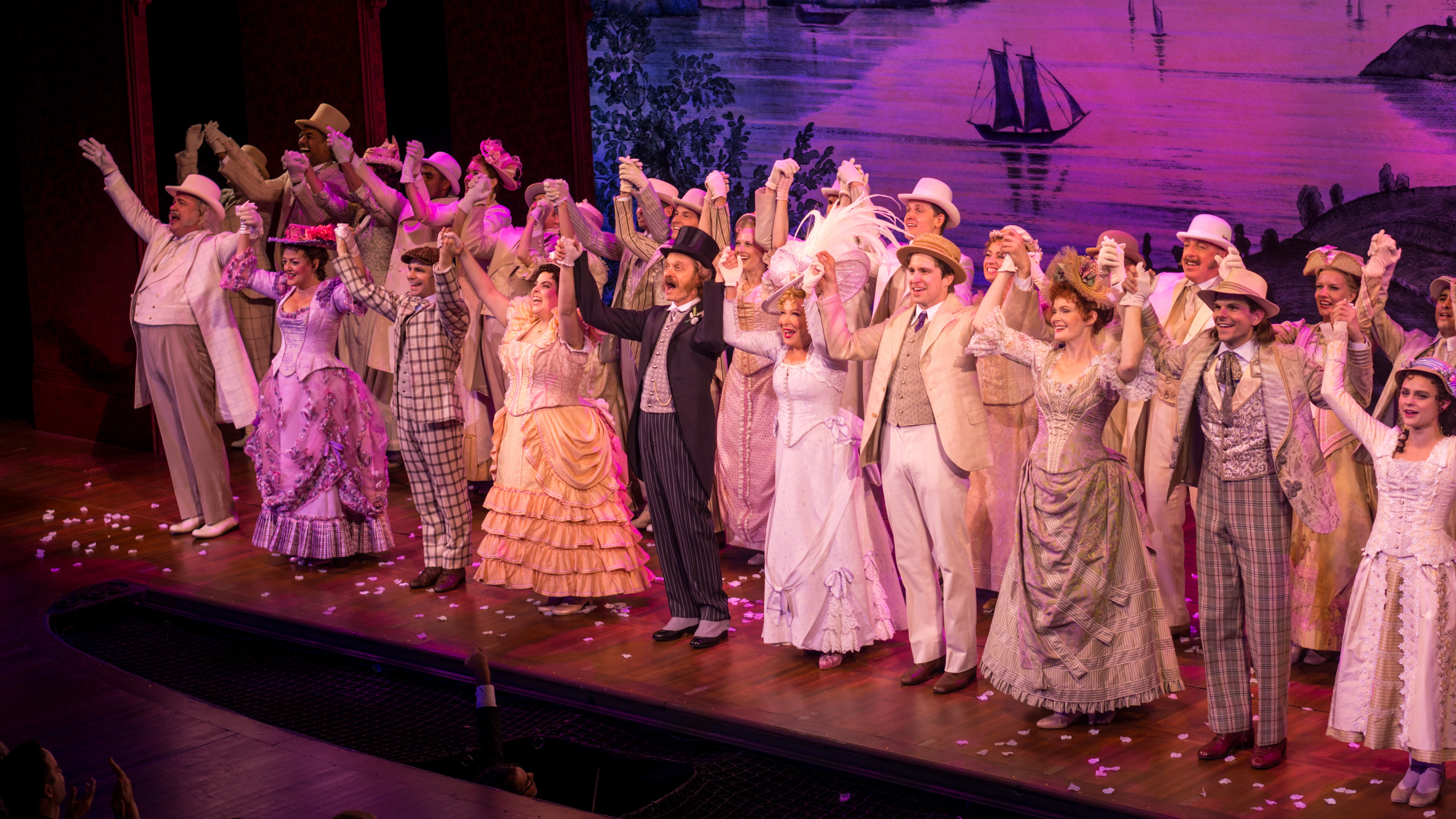
Best of Musicals
A festive evening full of musical hits, Christmas songs, and goosebumps in the Max-Littmann-Saal. On December 26, 2026, Bad Kissingen will become a winter wonderland. #Musical
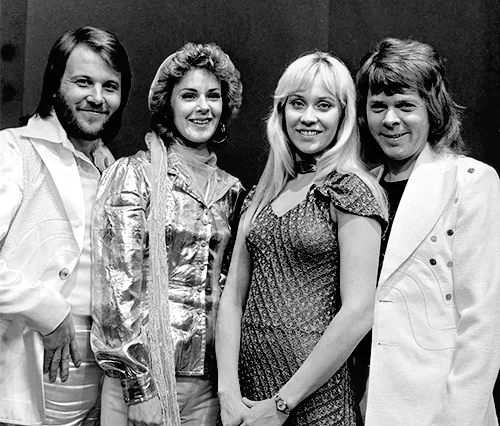
ABBA - The Concert
Experience Dancing Queen live: ABBA – The Concert ignites disco brilliance, big feelings, and sing-along moments in the Regentenbau Bad Kissingen. 26.02.2027, 20:00, from 43.10 €. Secure the best seats now! #ABBATheConcert

KOKUBU - The Drums of Japan
Experience KOKUBU in Max-Littmann-Saal: Taiko, light, choreography – pure energy. 14.03.2027, 19:00, Tickets from 44.90 €. Culture meets power – be there live. #Taiko
Frequently Asked Questions
Reviews
No reviews found